
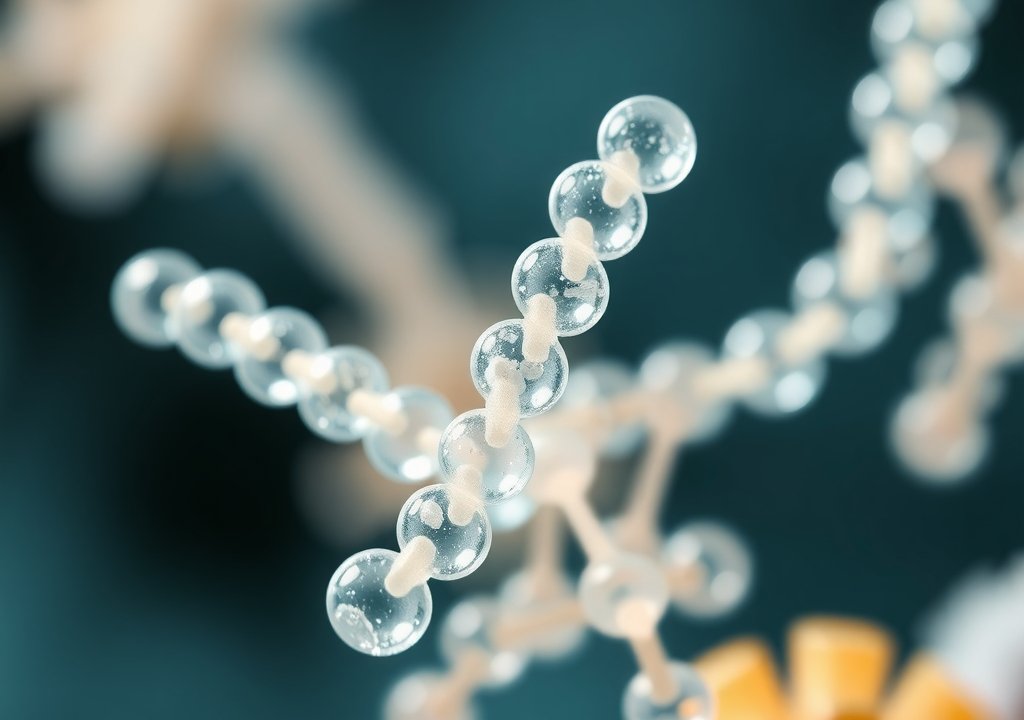

What are bioactive peptides? They are specific, short chains of amino acids—typically containing between 2 and 20 residues—that exert targeted biological activities within the human body beyond basic nutritional sustenance. Unlike standard dietary proteins that serve strictly as raw building blocks for tissue repair, bioactive peptides act as cellular signaling molecules capable of influencing blood pressure, immune response, and metabolic function.
While intact proteins must be broken down entirely during digestion to provide nutrition, these short molecular sequences remain structurally intact long enough to dock onto specific tissue receptors. Understanding how bioactive Peptides operate reveals a sophisticated tier of human nutrition—one where food acts not just as fuel, but as a source of precise biochemical instructions.
This guide explains the exact molecular structures of bioactive peptides, how your gut absorbs them without destroying their function, and the physiological roles different peptide classes play in clinical health.
What are bioactive peptides, and how do they differ from proteins and amino acids?
To understand bioactive peptides, it helps to picture dietary protein as a long, folded chain of individual links. Those individual links are amino acids. A full protein, such as whey, collagen, or ovalbumin in eggs, consists of hundreds or thousands of amino acids bound together in complex, three-dimensional shapes. At this structural scale, the protein functions primarily as a macronutrient, supplying nitrogen and structural raw materials to the body.
A bioactive peptide is a very specific fragment hidden—or “encrypted”—within that larger protein chain. While locked inside the complete protein molecule, the peptide sequence remains inactive. It possesses no unique biological signaling capacity because its active chemical sites are folded inward, shielded by the surrounding protein structure.
The peptide becomes biologically active only when it is liberated from the parent protein. This release happens through three primary pathways: gastrointestinal digestion driven by enzymes like pepsin and trypsin, microbial fermentation (such as the culturing of yogurt or cheese), or controlled enzymatic hydrolysis during food manufacturing.
Once freed, the resulting short chain—often just two to ten amino acids long—behaves entirely differently from both intact proteins and isolated free amino acids. A single free amino acid, such as l-arginine, performs specific, basic metabolic tasks.
However, when amino acids are bound in a precise bioactive sequence (such as Valine-Proline-Proline), the resulting molecule fits into specific cellular receptors like a key into a lock.
This structural specificity allows bioactive peptides to trigger physiological responses, such as inhibiting enzymes that raise blood pressure or neutralizing free radicals, that neither the whole original protein nor its individual amino acids could accomplish on their own.
How bioactive peptides work in the human body
The physiological journey of a bioactive peptide from your plate to your bloodstream requires surviving a harsh digestive environment designed specifically to break protein bonds down into single amino acids.
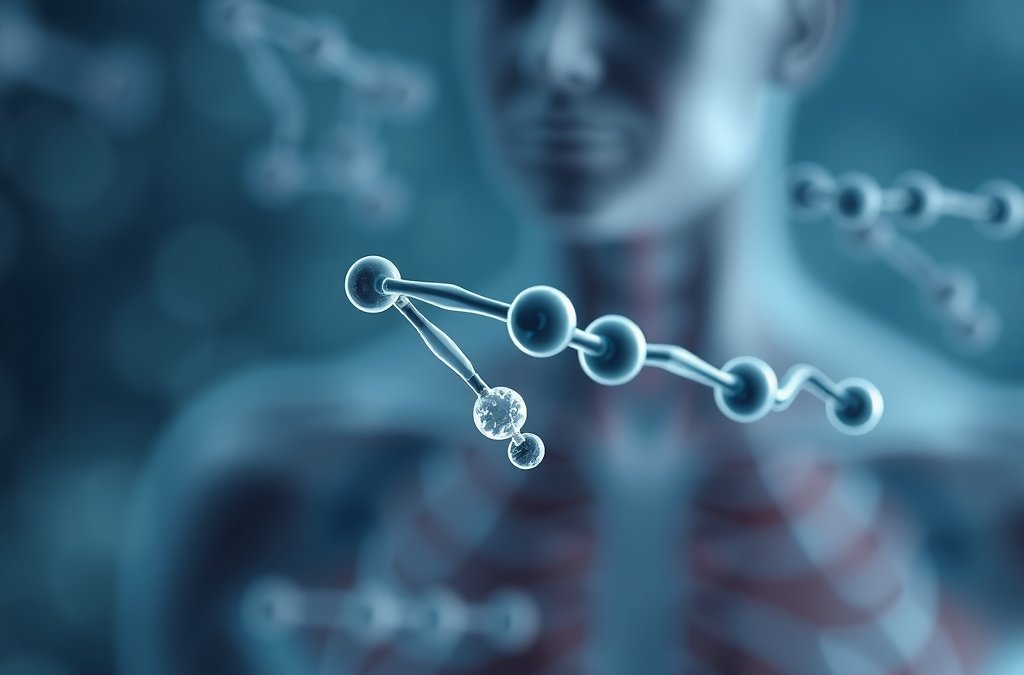
- Enzymatic Release in the Gut: Digestion begins in the stomach, where hydrochloric acid denatures dense protein structures and the enzyme pepsin cuts long polypeptide chains into smaller segments. As these fragments enter the small intestine, pancreatic enzymes like trypsin and chymotrypsin further cleave the chains, exposing bioactive sequences.
- Resistance to Peptidase Cleavage: Many bioactive peptides contain high proportions of specific amino acids, such as proline or hydroxyproline. These specific amino acid structures resist complete breakdown by intestinal peptidases, allowing short peptide fragments (dipeptides and tripeptides) to remain intact within the gut lumen.
- Mucosal Absorption via PepT1 Transporters: Unlike intact proteins, which cannot cross the intestinal wall, and single amino acids, which rely on slow sodium-dependent transporters, short peptides utilize a specialized intestinal membrane transporter called PepT1 (Peptide Transporter 1). PepT1 rapidly pumps dipeptides and tripeptides directly into intestinal mucosal cells (enterocytes) using a proton gradient, achieving higher absorption speed and lower energy cost than single amino acid transport.
- Systemic Circulation and Receptor Binding: Once inside the enterocyte, a portion of these peptides enters the capillary bloodstream intact. From circulation, they travel to target tissues—such as vascular endothelial cells or immune cells—where they bind to specific cell-surface receptors or enzyme sites, delivering their biological signal before ultimately being degraded by vascular peptidases.
The major functional classes of bioactive peptides and their health roles
Researchers categorize bioactive peptides primarily by their specific biological activity within target organ systems. Because their mechanisms depend on exact amino acid arrangements, different peptide classes yield distinct health outcomes.
- Antihypertensive Peptides (ACE-Inhibitors): These are among the most thoroughly researched functional peptides. Sequences such as Valine-Proline-Proline (VPP) and Isoleucine-Proline-Proline (IPP), derived from fermented milk proteins, block the action of angiotensin-converting enzyme (ACE). By inhibiting ACE, these peptides prevent the synthesis of angiotensin II, a potent vasoconstrictor, thereby helping blood vessels relax and supporting healthy blood pressure levels.
- Antioxidant Peptides: Derived frequently from marine collagen, soy, and egg proteins, these peptides contain hydrophobic amino acids like histidine, tryptophan, or tyrosine. Their specific structure allows them to donate electrons to neutralize reactive oxygen species (ROS) and chelate pro-oxidant metal ions, protecting cellular membranes from oxidative damage.
- Antimicrobial Peptides (AMPs): Found naturally in bovine milk (lactoferricin) and marine organisms, these peptides typically possess a positive electrical charge (cationic) and a structure that attracts fats (amphipathic). This allows them to bind directly to negatively charged bacterial cell membranes, disrupting the membrane structure and inhibiting pathogen growth.
- Immunomodulatory Peptides: Sequences isolated from whey, casein, and rice proteins can stimulate or regulate immune cell responses. Clinical studies indicate these peptides can modulate cytokine production, enhance lymphocyte proliferation, and boost macrophage phagocytic activity, supporting balanced immune defense.
- Metabolic and Glycemic Signaling Peptides: Specific short peptides derived from plant proteins like soy and hemp can influence lipid metabolism and glucose control. Some fragments reduce cholesterol absorption in the intestine by binding bile acids, while others stimulate the release of glucagon-like peptide-1 (GLP-1) in the gut, aiding in post-meal blood sugar regulation.
Watch: What are bioactive peptides used for
Bioactive peptides vs. whole proteins vs. individual amino acids
Understanding how bioactive peptides differ from whole dietary proteins and single free amino acids helps clarify why peptide formulations are used in specialized clinical nutrition and targeted supplements.
| Property | Whole Dietary Proteins | Hydrolyzed Bioactive Peptides | Free Amino Acids |
|---|---|---|---|
| Structural Size | Large (100 to over 1,000 amino acids) | Small (2 to 20 amino acids) | Single amino acid monomer |
| Primary Absorption Route | Requires full digestive breakdown before absorption | Direct mucosal uptake via PepT1 transporters | Sodium-dependent amino acid transporters |
| Absorption Speed | Slow; requires extended gastric processing | Rapid; minimal digestive effort required | Moderate to rapid; can saturate specific transporters |
| Biological Action | General nutrition, muscle repair, structural substrate | Targeted physiological signaling (e.g., ACE inhibition) | Specific metabolic building blocks or precursor roles |
| Allergenic Potential | Higher; complex epitopes can trigger immune response | Lower; enzymatic cleavage breaks immunogenic sites | None; single molecules do not trigger protein allergies |
| Typical Use Case | Daily macronutrient requirements, muscle hypertrophy | Targeted functional health, clinical gut recovery | Specific deficiency correction, targeted workout recovery |

[…] therapeutics and research-grade chemicals is defined by manufacturing protocols. Clinical peptides must comply with Current Good Manufacturing Practice (cGMP) guidelines and strictly follow […]