


When evaluating natural vs synthetic peptides, the fundamental difference lies not in their chemical composition, but in how they are produced and structurally optimized for biological activity. Naturally occurring (endogenous) peptides are short chains of amino acids produced by living organisms to direct cellular signaling, yet they degrade within minutes when introduced as therapeutic agents.
synthetic peptides are chemically synthesized or engineered analogs designed to mirror or modify these natural signaling pathways while offering extended metabolic stability, enhanced potency, and precise targeted delivery.
A widespread assumption in integrative wellness is that biological, naturally derived peptides are inherently safer or more effective than lab-synthesized versions. From a Biochemical perspective, this assumption fails to withstand scrutiny. Human tissues cannot distinguish between an unmodified peptide sequence isolated from biological tissue and an identical sequence produced via modern laboratory synthesis.
The true clinical distinction emerges when scientists chemically modify synthetic sequences to correct the functional limitations of natural peptides. Understanding these molecular adaptations is essential for evaluating therapeutic protocols, assessing drug purity, and separating clinical reality from biohacking speculation.
Deconstructing the Peptide: Biochemical Foundations of Natural vs. Synthetic Molecules
Peptides are short polymer chains formed by linking amino acid monomers via amide bonds, structurally categorized as being smaller than full proteins—typically containing between 2 and 50 amino acid residues. In human physiology, naturally occurring peptides act as hormones, neurotransmitters, and growth factors. Insulin, oxytocin, vasopressin, and endogenous opioids like enkephalins are classic examples of naturally synthesized signaling molecules that govern metabolic regulation, fluid balance, and tissue repair.
Natural peptides can be harvested from animal or human tissue, extracted from plant sources, or produced via recombinant DNA technology inside biological host cells. synthetic peptides, conversely, are assembled step-by-step using precise chemical reactions outside a living cell, most commonly through Solid-Phase Peptide Synthesis (SPPS). In SPPS, amino acids are attached sequentially to an insoluble resin support matrix, allowing complex sequences to be constructed with absolute control over every bond.
The term synthetic often carries a negative connotation among consumers, implying an artificial or toxic substance. In peptide biochemistry, synthetic simply describes the method of assembly. If a synthetic peptide maintains the exact amino acid sequence and three-dimensional conformation of a native human peptide, the body processes it identically.
The cell membrane receptor interacts with the molecule based on stereospecific binding and charge distribution, completely oblivious to whether the peptide was secreted by the pituitary gland or synthesized in a automated reaction vessel.
Where synthetic peptides diverge from their natural blueprints is in deliberate chemical modification. While a purely natural peptide sequence serves physiological homeostatic needs in short, controlled bursts, it makes a poor pharmaceutical agent. Unmodified natural peptides undergo rapid enzymatic cleavage by peptidases and proteinases in the bloodstream, tissues, and gastrointestinal tract. Lab-synthesized peptides offer the opportunity to preserve the native biological intent while re-engineering the molecule to resist rapid breakdown.
Engineering Longevity: How Synthetic Modifications Fix the Flaws of Natural Peptides
Native human peptides operate under strict homeostatic constraints. The body releases them in localized micro-bursts to trigger a cellular event, followed immediately by enzymatic neutralization. For instance, native Native Glucagon-Like Peptide-1 (GLP-1) exhibits a plasma half-life of less than two minutes because it is rapidly cleaved by the enzyme dipeptidyl peptidase-4 (DPP-4) and cleared via renal filtration. Administering native GLP-1 as a clinical therapy would require continuous intravenous infusion.

To convert fragile natural peptides into viable therapeutics, medicinal chemists apply specific structural modifications during chemical synthesis. These alterations alter the peptide’s susceptibility to enzymatic degradation while retaining or enhancing its binding affinity for the target receptor.
Common structural modifications engineered into synthetic peptides include:
- D-Amino Acid Substitution: Natural human peptides are composed exclusively of L-amino acids. By replacing specific L-amino acids with their synthetic D-amino acid stereoisomers (mirror-image configurations), chemists obscure the cleavage sites recognized by native proteolytic enzymes without destroying receptor binding.
- N-Methylation: Adding a methyl group to the peptide backbone amide nitrogen blocks hydrogen bond formation necessary for protease recognition, dramatically increasing systemic stability and improving intestinal membrane permeability.
- Backbone Cyclization: Linear peptides are flexible, making them vulnerable to exopeptidases that chew amino acids off the terminal ends. Linking the N-terminus to the C-terminus (or forming internal disulfide bridges) locks the peptide into a rigid, cyclic structure. This cyclic conformation hides the terminal ends from degradation enzymes and locks the peptide into its active receptor-binding state.
- Lipidation (Fatty Acid Acylation): Attaching a hydrophobic fatty acid chain to the peptide backbone enables the molecule to reversibly bind to circulating serum albumin. This albumin-shielding effect protects the peptide from enzymatic attack and delays renal filtration, extending half-lives from minutes to several days. Semaglutide uses this mechanism to permit once-weekly dosing.
- Pegylation: Conjugating polyethylene glycol (PEG) polymer chains to the peptide increases its molecular size and hydrodynamic volume. This steric shielding blocks enzyme access and reduces the clearance rate through the kidney glomueruli.
Through these synthetic alterations, researchers overcome the natural limitations of native signaling molecules. The resulting synthetic analogs achieve predictable pharmacokinetic profiles, allowing sustained cellular signaling that would be impossible with native biological sequences.
Head-to-Head Comparison: Natural vs. Synthetic Peptides across Core Parameters
The distinction between endogenous, unmodified peptides and modern synthetic analogs spans several biochemical and logistical metrics. The following table contrasts these characteristics.
| Parameter | Natural / Native Peptides | Synthetic Modified Analogs |
|---|---|---|
| Systemic Half-Life | Minutes to hours; rapidly degraded by peptidases and cleared via kidneys. | Hours to days; engineered resistance against enzymatic cleavage. |
| Receptor Affinity & Selectivity | High native affinity, but often activates multiple sub-types leading to off-target effects. | Fine-tuned through chemical modeling for optimized selectivity and reduced off-target binding. |
| Manufacturing Precision | Subject to biological variation; risk of host-cell protein contamination in recombinant expression. | Absolute chemical precision; step-by-step purity monitoring during SPPS assembly. |
| Immunogenicity Risk | Low when autologous; moderate to high if extracted from non-human animal tissues. | Low for pure short sequences; can increase if non-human modifications or impurities trigger anti-drug antibodies. |
| Production Scale & Cost | High cost and low yield for tissue extractions; complex purification required for cell cultures. | Highly scalable via automated chemical synthesizers; lower cost per gram for short-to-medium chains. |
| Chemical Stability & Shelf-Life | Fragile; highly susceptible to thermal denaturation, pH changes, and enzymatic contamination. | Enhanced through lyophilization and structural modifications; higher stability in varied formulations. |
Manufacturing Realities: Recombinant DNA vs. Solid-Phase Peptide Synthesis (SPPS)
The term “synthetic” obscures the distinct manufacturing methodologies used to yield pharmaceutical and research peptides. Modern bio-pharmacology relies on two primary avenues of production: biological expression via recombinant DNA technology and direct chemical synthesis via Solid-Phase Peptide Synthesis (SPPS).
-
Recombinant DNA Expression (Biological Synthesis):
For longer, complex peptide sequences or full proteins, chemical synthesis becomes inefficient. Recombinant production inserts the genetic code for the desired peptide into a biological host vector, such as Escherichia coli or Saccharomyces cerevisiae (yeast). The host cells act as cellular factories, translating the genetic code and expressing the peptide.While efficient for large protein structures, recombinant production presents distinct purity challenges. The final product must undergo rigorous multi-step purification to eliminate residual host-cell proteins (HCPs), bacterial endotoxins, and cellular DNA. If host contaminants remain in the final formulation, they can trigger severe immune reactions or anaphylaxis in humans, regardless of how “natural” the peptide sequence itself is.
-
Solid-Phase Peptide Synthesis (Chemical Assembly):
Developed by Bruce Merrifield in 1963, SPPS revolutionized peptide production by eliminating the need for living biological hosts. The synthesis occurs on a solid resin bead suspended in a liquid reaction column. The chemical chain is constructed from the C-terminus to the N-terminus.The process follows a repeating cyclic sequence:
- Deprotection: Removing a chemical protecting group (such as Fmoc or Boc) from the terminal amino acid on the resin to expose the reactive amine.
- Coupling: Adding the next protected amino acid along with a coupling reagent to form a new peptide bond.
- Washing: Flushing out unreacted reagents and byproducts with solvents to maintain reaction purity.
- Cleavage: Once the complete sequence is assembled, harsh acids are used to cleave the finished peptide off the resin bead and strip off side-chain protecting groups.
While SPPS eliminates host-cell biological contaminants and endotoxins, it introduces a different purification requirement. Chemical synthesis can produce truncated sequences—peptides where an amino acid failed to couple during one of the cycles, resulting in deletion sequences. Modern pharmaceutical-grade manufacturing uses High-Performance Liquid Chromatography (HPLC) and Mass Spectrometry (MS) to isolate the target sequence, ensuring purity standards exceeding 98% to 99% for therapeutic applications.
Purity, Counterfeits, and Legal Gray Zones: Navigating the Supply Chain Safely
The safety and efficacy profile of any peptide hinges entirely on its manufacturing source and purity standards. A distinct divide exists between FDA-approved pharmaceutical synthetic peptides—manufactured under strict Current Good Manufacturing Practice (cGMP) regulations—and unregulated grey-market compounds often labeled as “research chemicals.” While pharmaceutical-grade synthetics undergo rigorous batch testing to ensure absolute purity, unapproved vendors sell peptides intended solely for in vitro laboratory use, exposing consumers to significant chemical hazards.
Analyzing the supply chain reveals stark trade-offs across different procurement channels and manufacturing standards:
- Pharmaceutical-Grade Synthetic Peptides (cGMP Approved)
- Pros: Guaranteed sequence fidelity, precise dosing, sterile formulation, and validated batch-to-batch consistency verified by liquid chromatography.
- Cons: High cost, strict prescription requirements, and limited accessibility restricted to FDA-cleared indications.
- Recombinant Biological Peptides (Cell-Culture Sourced)
- Pros: Identical primary structure to endogenous human proteins, reducing structural immunogenicity when correctly folded.
- Cons: High risk of cellular debris contamination, complex purification requirements, and vulnerability to viral or bacterial host proteins.
- Grey-Market “Research Chemical” Peptides (Solid-Phase Synthesis)
- Pros: Inexpensive, readily accessible online without prescriptions, available in experimental modified sequences.
- Cons: Frequent contamination with trifluoroacetic acid (TFA) salts, residual heavy metals, improper amino acid deletion sequences, microbial endotoxins, and zero regulatory oversight.
Analytical verification of synthetic peptides requires high-performance liquid chromatography (HPLC) combined with mass spectrometry (MS) to confirm both chemical purity and molecular weight. Grey-market syntheses frequently leave residual TFA, an industrial counter-ion used during solid-phase cleavage. Accumulated TFA in biological tissue induces cellular toxicity and localized inflammatory reactions.
Furthermore, bacterial endotoxin contamination from improper sterile processing can trigger severe systemic immune responses, hyperthermia, and anaphylaxis, regardless of how safe the baseline peptide sequence is purported to be.
Common Fallacies in the ‘Natural’ Peptide Market
Public interest in peptide therapies has birthed several persistent myths regarding sourcing, safety, and pharmacokinetics. Evaluating these claims against established biochemical principles clarifies what lab-synthesized analogs can and cannot achieve.

Myth: “Natural” peptides sourced from plants or animals are inherently safer and more bioavailable than synthetic analogs.
Fact: Endogenous peptides isolated from biological tissues carry high risks of immunogenic reactions, cross-species pathogen transmission, and structural instability. Chemical synthesis produces identical or structurally optimized sequence chains completely free of animal pathogens. Natural peptide sequences degrade within minutes in human plasma, whereas synthetic analogs are engineered specifically to withstand enzymatic cleavage.
Myth: Advanced peptide formulations can simply be taken in standard oral capsules.
Fact: The stomach’s low pH paired with aggressive gastric proteases (such as pepsin) rapidly hydrolyzes unmodified peptide bonds into basic amino acids, rendering them bioinactively fragmented. Unless a synthetic peptide incorporates specific chemical modifications—such as N-methylation, D-amino acid substitution, or specialized SNAC (salcaprozate sodium) carrier technology used in oral semaglutide—oral bioavailability remains near zero percent.
Myth: A peptide batch displaying 98% purity on a vendor’s HPLC report is guaranteed safe for human administration.
Fact: Standard HPLC reports from unaccredited laboratories measure only target sequence concentration relative to truncated sequence fragments. They routinely fail to screen for microscopic endotoxins, organic solvent residues, heavy metals, or counter-ion TFA salts, all of which pose acute toxicity risks even in highly “pure” chemical samples.
Clinical Application Profiles: Real-World Case Studies of Natural vs. Synthetic Molecules
Comparing native peptides directly with their synthetic descendants highlights how deliberate molecular modifications solve fundamental clinical limitations.
1. Native Human Insulin vs. Modern Synthetic Analogs (Insulin Lispro & Glargine)
Native human insulin, a naturally occurring 51-amino-acid pancreatic peptide, forms hexamers in subcutaneous tissue. This hexamerization delays absorption, forcing native insulin to take over 60 minutes to reach peak plasma concentration, making tight postprandial glucose management difficult.
Through solid-phase synthesis and recombinant modifications, pharmacologists created synthetic analogs with altered amino acid sequences. By reversing the proline-lysine sequence at positions B28 and B29, Insulin Lispro prevents hexamer formation, monomerizing instantly upon injection to reach peak plasma activity within 15 to 30 minutes.
Conversely, Insulin Glargine substitutes asparagine with glycine at position A21 and attaches two arginine residues to the C-terminus of the B-chain. This shifts the isoelectric point, causing the synthetic peptide to form a micro-precipitate in subcutaneous tissue that slowly releases insulin monomers over 24 hours. The native peptide cannot achieve this stable, peakless release profile.
2. Native GLP-1 vs. Synthetic Incretin Mimetics (Semaglutide & Tirzepatide)
Native Glucagon-Like Peptide-1 (GLP-1) is secreted by intestinal L-cells to stimulate glucose-dependent insulin secretion. However, native GLP-1 exhibits an elimination half-life of under two minutes in human circulation because the ubiquitous enzyme dipeptidyl peptidase-4 (DPP-4) rapidly cleaves it at the alanine position (Ala8).
Synthetic analogs resolve this degradation vulnerability through targeted sequence modifications:
- Semaglutide: Substitutes native alanine with alpha-aminobutyric acid (Aib) at position 8, rendering the molecule resistant to DPP-4 cleavage. Additionally, a C18 fatty diacid chain is conjugated to Lysine-26 via a hydrophilic spacer. This acylation allows the synthetic peptide to bind reversibly to human serum albumin, shielding it from renal clearance and extending its half-life to approximately 7 days.
- Tirzepatide: A dual GIP/GLP-1 receptor agonist utilizing a 39-amino acid synthetic backbone incorporating C20 fatty diacid acyl chains and multiple D-amino acid substitutions to achieve powerful multi-receptor activation alongside extended stability.
3. Natural Growth Hormone vs. Synthetic Secretagogues (Ipamorelin & BPC-157)
Recombinant Human Growth Hormone (rhGH) delivers exogenous 191-amino-acid somatropin to directly activate GH receptors. While effective, administration of exogenous rhGH suppresses pituitary somatotrophs through negative feedback loops, downregulating endogenous growth hormone pulsatility.
Synthetic growth hormone secretagogues operate via distinct signaling pathways:
- Ipamorelin: A synthetic pentapeptide (Aib-His-D-2-Nal-D-Phe-Lys-NH2) that selectively binds the ghrelin/growth hormone secretagogue receptor (GHS-R1a). It triggers endogenous, pulsatile GH release from the anterior pituitary without elevating plasma cortisol, adrenocorticotropic hormone (ACTH), or prolactin.
- BPC-157: A synthetic 15-amino acid derivative of Body Protection Compound, a naturally occurring protein isolated from gastric juice. Unlike the unstable native gastric protein, synthetic BPC-157 retains sequence stability in gastric fluid, promoting cell migration, angiogenesis, and tissue healing via the VEGFR2 pathway without suppressing endogenous endocrine axes.
Key Takeaways
- Synthetic peptides engineered with D-amino acids, fatty acid acylation, or pegylation exhibit vastly superior pharmacokinetic stability compared to rapidly degraded natural peptides.
- “Natural” peptide sources carry biological contamination risks, whereas unregulated grey-market synthetic peptides frequently present hidden dangers from TFA salts, endotoxins, and truncated sequence errors.
- Structural modifications permit specific functional advantages, such as turning minute-long plasma half-lives into week-long therapeutic windows as seen in GLP-1 receptor agonists.
- Oral peptide delivery requires chemical modification or lipophilic carriers; unmodified natural and synthetic peptides are destroyed by gastric acid and digestive enzymes.
Watch: Natural vs Synthetic Peptides Explained by a Doctor
Frequently Asked Questions
Are synthetic peptides safe for human use?
FDA-approved synthetic peptides manufactured under strict pharmaceutical cGMP conditions possess established safety profiles. However, unregulated synthetic peptides sold online as research chemicals lack sterility controls and pose severe risks due to unknown purities, residual trifluoroacetic acid salts, and microbial endotoxins.
Why can’t most peptides be taken orally like regular pills?
Unmodified peptides are composed of fragile amino acid chains easily broken down by stomach acid and digestive enzymes like pepsin. Unless modified with structural protections or specialized intestinal absorption enhancers, peptides are digested into basic amino acids before reaching systemic circulation.
Is BPC-157 a natural or synthetic peptide?
BPC-157 is a synthetic peptide based on a sequence fragment isolated from natural human gastric juice. While inspired by a natural gastric protein, the specific 15-amino-acid sequence of BPC-157 is manufactured in laboratories to ensure structural stability and targeted tissue repair action.
What is the difference between recombinant human growth hormone and synthetic GH peptides?
Recombinant human growth hormone directly replaces missing GH, which can suppress natural pituitary production over time. Synthetic GH peptides (secretagogues like Ipamorelin) stimulate the body’s own pituitary gland to release endogenous growth hormone in natural, pulsatile bursts without shutting down native hormone production pathways.
How do I verify if a synthetic peptide is pharmaceutical-grade?
Pharmaceutical-grade peptides require a valid medical prescription and are dispensed exclusively by licensed pharmacies sourcing from cGMP-certified manufacturers. Authentic products provide batch-specific mass spectrometry and HPLC purity documentation showing verified sequence identity and absence of endotoxins or heavy metals.
Conclusion: Choosing Between Natural and Synthetic Peptides
The choice between natural and synthetic peptides is rarely about seeking a “pure” natural option, but rather choosing engineered precision over biological instability. Synthetic modifications provide superior half-lives, precise receptor targeting, and controlled release profiles that native molecules cannot match. Ensuring patient safety ultimately relies on choosing regulated, pharmaceutical-grade formulations over unverified grey-market alternatives.
This information is intended exclusively for educational purposes and should not be construed as personal medical advice; always consult a qualified healthcare provider before considering peptide therapies or protocol changes.

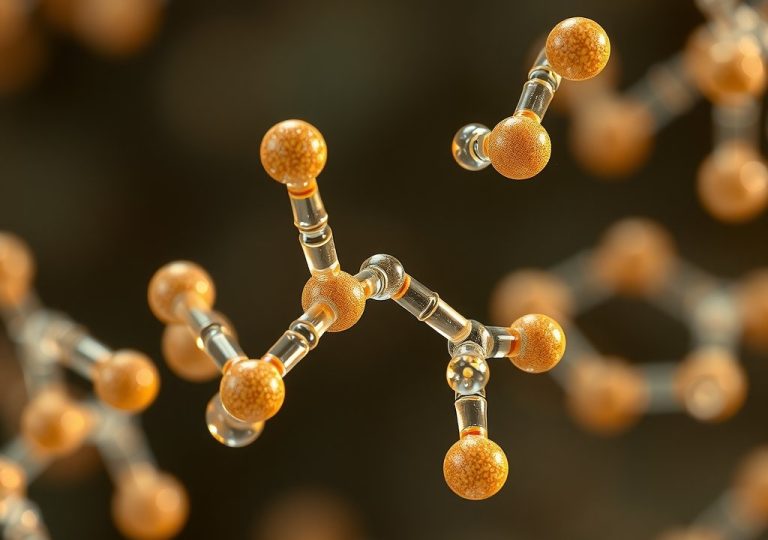

[…] application of synthetic peptides in research bridges the structural gap between small chemical entities and large biological macromolecular […]