

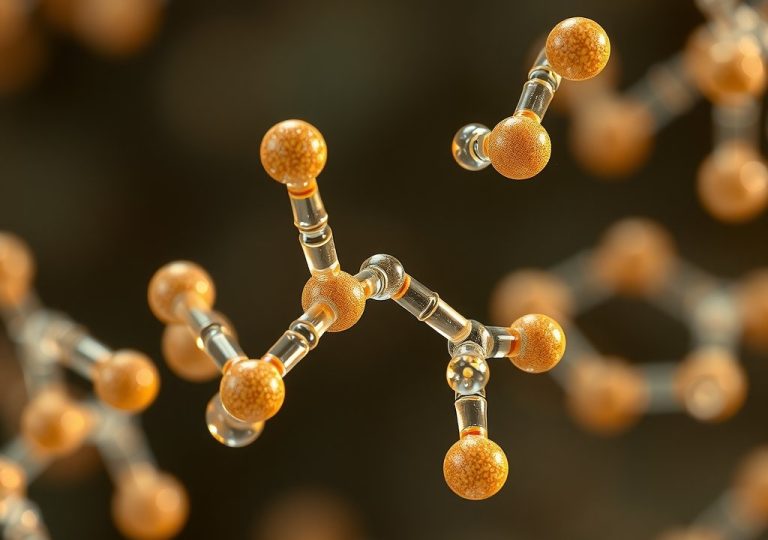
The primary difference when comparing an oligopeptide vs polypeptide comes down to amino acid chain length, molecular weight, and structural complexity. An oligopeptide consists of a short sequence—typically 2 to 20 amino acids joined by peptide bonds—while a polypeptide contains a longer chain, usually ranging from 21 to 50 or more amino acids. Once a peptide chain exceeds approximately 50 amino acids and folds into a stable three-dimensional shape, it is generally classified as a complete protein.
While this Molecular boundary seems straightforward, the physiological implications of chain length are profound. The distinction dictates how these molecules behave in biological systems, controlling everything from mucosal absorption rates and cellular membrane transport to receptor binding affinity and enzymatic degradation in the bloodstream. Understanding these differences reveals why specific peptide lengths are selected for therapeutic drugs, advanced skincare formulations, and specialized dietary supplements.
Defining the Molecular Boundary: Amino Acid Chain Lengths and Nomenclature
At the chemical level, both oligopeptides and polypeptides are polymers formed when the carboxyl group of one amino acid reacts with the amino group of another, releasing a water molecule in a condensation reaction to form a covalent amide linkage known as a peptide bond. Despite sharing this fundamental backbone, international chemical bodies and functional biochemists categorize them by their degree of polymerization.
The International Union of Pure and Applied Chemistry (IUPAC) defines an oligopeptide as a molecule containing a small number of amino acid residues, usually fewer than 20. Within this category, Peptides are frequently identified by their exact count: dipeptides (2 residues), tripeptides (3 residues), tetrapeptides (4 residues), and hexapeptides (6 residues). Because these chains are short, their molecular weight typically remains below 2,000 Daltons (Da).
polypeptides represent extended, continuous, unbranched peptide chains spanning from 21 up to roughly 50 amino acid residues, with molecular weights usually ranging between 2,000 Da and 5,000 Da. Beyond 50 residues, the chain assumes distinct spatial configurations and is termed a protein, though these boundaries can blur in historical literature. For example, insulin—comprising 51 amino acids across two cross-linked chains—is variously described as a small protein or a large polypeptide.
This structural boundary directly influences physical properties. Short oligopeptides exhibit high water solubility and minimal steric hindrance, allowing them to remain stable in solution without thermal denaturation. Polypeptides, possessing significantly more peptide bonds and side-chain interactions, exhibit complex solution behaviors and are far more sensitive to pH shifts, ionic strength, and temperature changes.
Structural Dynamics: Linear Flexibility vs. Tertiary Folding
The conformational freedom of a peptide chain changes dramatically as amino acids are added, governing how the molecule interacts with cellular targets. Oligopeptides possess high conformational flexibility due to their minimal backbone length. Lacking the internal energy required to form permanent hydrogen-bonded networks, short oligopeptides exist primarily as flexible, linear structures or unstructured ensembles in aqueous environments.
This dynamic flexibility allows oligopeptides to fit easily into targeted cellular receptor sites through an induced-fit mechanism. In signal transduction, a flexible tripeptide or hexapeptide can rapidly adapt its spatial orientation to bind tightly into a transmembrane receptor’s binding pocket. This explains why many endogenous signaling molecules, such as enkephalins and peptide hormones, evolved as short sequences: they achieve rapid, highly specific receptor activation without the bioenergetic cost of maintaining complex folding structures.
In contrast, as an amino acid chain extends into polypeptide territory, non-covalent interactions along the backbone take over. Hydrogen bonding between amide hydrogens and carbonyl oxygens drives the formation of regular secondary structures, primarily alpha-helices and beta-pleated sheets. Hydrophobic amino acid side chains begin to aggregate inward to escape water, establishing hydrophobic cores that stabilize tertiary conformations.
These higher-order structures impart macro-level bioactivity. Polypeptides often present specialized surface topologies—such as large, continuous binding clefts or multi-point interaction sites—that allow them to engage complex surface receptors or act as enzymes and structural scaffolding. However, this complex folding creates a trade-off: polypeptides are subject to steric hindrance, meaning their bulky size can block access to tight biological spaces, and they are susceptible to conformational denaturation that can render them biologically inactive.
Absorption Kinetics and Pharmacokinetics: How Size Dictates Cellular Uptake
The biological fate of an ingested or topically applied peptide is governed almost entirely by its size, which dictates its mechanism of membrane transport and rate of enzymatic clearance.
The human gastrointestinal tract is optimized to absorb single amino acids along with di- and tri-peptides via dedicated active transport systems located on the brush border membrane of enterocytes. The most critical of these is the Peptide Transporter 1 (PEPT1), a high-capacity, low-affinity, proton-coupled symporter. PEPT1 efficiently transports intact di- and tri-peptides directly into intestinal cells, where intracellular peptidases cleave them into constituent amino acids, or from where they pass directly into portal circulation.
tetrapeptides and longer oligopeptides generally exceed the spatial binding capacity of PEPT1. To cross the intestinal or dermal epithelial barrier, these molecules must rely on passive paracellular diffusion through tight junctions or energy-dependent endocytosis. Because tight junctions restrict paracellular passage to small, uncharged molecules (typically under 600 to 1,000 Da), oligopeptides with more than four or five residues face significantly reduced oral and transdermal bioavailability.
Polypeptides face even steeper pharmacokinetic hurdles. Due to their large size (exceeding 2,000 Da), polypeptides cannot utilize PEPT1 or cross tight junctions via paracellular diffusion. Instead, oral administration subjects polypeptides to aggressive luminal proteolysis by gastric pepsin and pancreatic enzymes like trypsin and chymotrypsin, which rapidly cleave them into smaller oligopeptides and free amino acids. Intact polypeptide absorption relies on transcellular transcytosis—a slow, low-yield transport process.
In systemic circulation, size continues to dictate pharmacokinetic profiles. Small oligopeptides undergo rapid renal filtration through the glomeruli of the kidneys, resulting in short biological half-lives often measured in minutes. Polypeptides, while large enough to evade immediate renal clearance, are frequently targeted by circulating carboxypeptidases and endopeptidases, or recognized by liver cell receptors that trigger hepatic clearance.
Biochemical Side-by-Side: Oligopeptides vs. Polypeptides
The operational differences between these two peptide classes stem directly from their structural and thermodynamic parameters. The table below outlines how these molecular traits compare across key biochemical metrics.
| Biochemical Parameter | Oligopeptides | Polypeptides |
|---|---|---|
| Chain Length | 2 to 20 amino acids | 21 to 50 amino acids |
| Molecular Weight Range | ~200 Da to 2,000 Da | ~2,000 Da to 5,000+ Da |
| Predominant Structure | Flexible, random-coil, linear chains | Alpha-helices, beta-sheets, early tertiary folding |
| Primary Transport Pathway | PEPT1/PEPT2 active transport (di/tri), paracellular diffusion | Transcellular endocytosis / transcytosis (very low intact passage) |
| Epithelial Permeability | Moderate to High (inversely proportional to length) | Low to Negligible without chemical enhancers |
| Enzymatic Susceptibility | Vulnerable to specific amino- and carboxypeptidases | Vulnerable to luminal endopeptidases (trypsin, pepsin, chymotrypsin) |
| Circulatory Half-Life | Short (minutes); rapid renal filtration | Variable (minutes to hours); cleared via hepatic/enzymatic pathways |
| Common Applications | Signal skincare (matrixyl), clinical nutrition, bioactive supplements | Hormone therapies (calcitonin, glucagon), growth factors, specialized biotropics |
Clinical Applications in Topical Skincare: Matrix Signaling vs. Barrier Support
The stark difference in molecular weight between oligopeptides and polypeptides governs their mechanism of action in dermatological formulations. The stratum corneum, the outermost layer of the epidermis, acts as an aggressive physical barrier. It typically limits passive transdermal absorption to lipophilic molecules smaller than 500 Daltons (Da), a principle widely recognized in cosmetic chemistry as the “500 Dalton Rule.”
Signal oligopeptides—frequently engineered with lipophilic side chains, such as in Palmitoyl Tripeptide-1 or Palmitoyl Tetrapeptide-7—comfortably bypass or penetrate this lipid matrix. Once inside the viable epidermis and dermis, these short chains bind directly to cell-surface receptors on dermal fibroblasts. This interaction triggers signal transduction cascades that upregulate intracellular transcription factors, stimulating the de novo synthesis of Type I collagen, fibronectin, and glycosaminoglycans.
Because their molecular sequence mimics natural degradation fragments of the extracellular matrix, these oligopeptides trick skin cells into activating repair pathways without triggering systemic inflammatory responses.
Conversely, native polypeptides—often possessing molecular masses exceeding 5,000 to 10,000 Da—are physically restricted from penetrating beyond the superficial layers of the stratum corneum. Instead of acting as cellular signal transducers, these larger polymers function as biomimetic film-formers and humectants. Polypeptides possess an extensive network of hydrophilic amino acid side chains that bind ambient water molecules, creating a flexible, non-occlusive film over the epidermal surface.
This matrix retards transepidermal water loss (TEWL), smooths microscopic surface irregularities, and bolsters barrier integrity. While marketing materials frequently conflate all peptide ingredients, formulators select oligopeptides for intrinsic structural remodeling and reserve polypeptides for immediate hydration and barrier augmentation.
Therapeutic and Dietary Bioavailability: Hydrolysates, Drugs, and Target Delivery
The human gastrointestinal tract is specialized to dismantle complex dietary proteins into free amino acids and small peptides via luminal endopeptidases and brush-border exopeptidases. From a nutritional standpoint, fully hydrolyzed collagen supplements rich in di- and tripeptides (such as Glycine-Proline-Hydroxyproline) exhibit vastly superior oral bioavailability compared to partially hydrolyzed polypeptide gelatins.
These specific oligopeptides resist luminal enzymatic degradation due to the rigid pyrrolidine rings of proline and hydroxyproline. They pass intact through the enterocyte membrane via the specialized PepT1 transporter, entering hepatic circulation to accumulate in target cartilaginous and dermal tissues within hours of ingestion.
In pharmacological engineering, short oligopeptide drugs offer exceptional receptor selectivity, yet their rapid clearance by renal filtration and systemic peptidases presents a significant therapeutic hurdle. To achieve sustained metabolic activity, modern peptide therapeutics utilize synthetic modifications. For example, GLP-1 receptor agonists are engineered as extended polypeptide structures or conjugated with fatty acid moieties.
These alterations promote reversible binding to serum albumin, protecting the peptide backbone from dipeptidyl peptidase-4 (DPP-4) cleavage and dramatically extending the drug’s plasma half-life from minutes to several days.
However, administering fragile oligopeptides and polypeptides orally remains complex. Without specialized chemical modifications—such as backbone cyclization, N-methylation, or advanced enteric microencapsulation—unmodified linear oligopeptides are rapidly cleaved by gastric pepsin and pancreatic trypsin, rendering them therapeutically inert before intestinal absorption can occur.
Common Misconceptions Surrounding Peptide Terminology
Commercial messaging around peptide science routinely oversimplifies complex biochemistry, leading to persistent confusion for Researchers, clinicians, and consumers alike.
Myth: Smaller peptide chains are always superior to larger polypeptide chains across all biological applications.
Fact: Molecular size dictates functional destination, not absolute utility. While oligopeptides excel at intracellular signaling and transdermal penetration, polypeptides are required when stable tertiary conformation is essential to bridge complex, multi-site cell receptors or form protective physical films.
Myth: Commercial products labeled as “collagen peptides” consist entirely of uniform short-chain oligopeptides.
Fact: Enzymatic hydrolysis yields a broad Gaussian distribution of chain lengths. Unless explicitly filtered via fractionated ultrafiltration, commercial “peptides” often contain a mix of dipeptides, oligopeptides, and large, un-hydrolyzed polypeptide fragments.
Myth: “Peptides” and “Proteins” are distinct biological classes with entirely different physiological roles.
Fact: The boundary between a large polypeptide and a small protein is purely arbitrary, historically set around 50 amino acids. Both consist of identical peptide bonds; the distinction lies in whether the molecule relies on an unstable linear sequence or a rigid, folded 3D architecture.
Formulation Stability: Solubilization, pH Sensitivity, and Degradation Pathways
Designing stable liquid and topical vehicles for peptide actives requires precise control over physical and chemical degradation pathways. Oligopeptides and polypeptides degrade through distinct biophysical mechanisms driven by their structural complexity.
Short-chain oligopeptides lack protective tertiary structures, leaving their amide backbones and functional side chains directly exposed to the surrounding solvent environment. Primary degradation routes for oligopeptides include chemical pathways:
- Deamidation: Occurs rapidly at neutral to alkaline pH, targeting asparagine and glutamine residues.
- Oxidation: Primarily affects methionine and cysteine residues when exposed to dissolved oxygen or trace metal ions.
- Hydrolysis: Acid- or base-catalyzed cleavage of the peptide bond, accelerated by elevated storage temperatures.
Formulating stable oligopeptide solutions requires buffering the aqueous phase to a precise pH range (typically 4.5 to 6.5) and incorporating chelating agents like disodium EDTA to suppress oxidation.
Polypeptides face these chemical threats alongside complex physical instability pathways. Because polypeptides rely on hydrophobic interactions and hydrogen bonding to maintain functional conformations, subtle shifts in system pH, ionic strength, or temperature can induce unfolding (denaturation). Unfolded polypeptides expose hydrophobic patches that self-associate, leading to irreversible aggregation, precipitation, or gelation. Furthermore, high shear stress during emulsion manufacturing can cleave high-molecular-weight polypeptide chains.
To preserve structural integrity, formulators often encapsulate sensitive oligopeptides into lipid nanoparticles or liposomes to enhance skin permeation and protect against enzymatic degradation. Polypeptides, on the other hand, require gentle low-shear processing, non-ionic surfactants to prevent interfacial surface aggregation, and carefully controlled polyol osmolytes to stabilize their native tertiary structures.
Key Takeaways
- Oligopeptides consist of short chains (2 to 20 amino acids) optimized for high cell permeability and targeted receptor signaling, whereas polypeptides (21 to 50+ amino acids) provide structural support, surface film-forming, and multi-site receptor binding.
- Topical oligopeptides conjugated with fatty acids can bypass the stratum corneum barrier, while large polypeptides remain on the skin surface to reduce transepidermal water loss.
- Oral bioaccessibility depends on molecular length: bioactive di- and tripeptides enter enterocytes directly via PepT1 transporters, whereas larger polypeptides require extensive enzymatic hydrolysis or protective microencapsulation.
- Formulation engineering must account for size-specific degradation: unprotected oligopeptides are prone to direct chemical deamidation and oxidation, while polypeptides suffer from physical unfolding and thermal aggregation.
Watch: Peptides and Peptide Bonds | Amino Acids, Dipeptides, Oligopeptides, Polypeptides | Biochemistry
Frequently Asked Questions
Is a tripeptide classified as an oligopeptide or a polypeptide?
A tripeptide is classified as an oligopeptide. The prefix “oligo-” denotes a short polymer typically consisting of two to twenty amino acid residues linked by peptide bonds. Because a tripeptide contains exactly three amino acids joined by two peptide bonds, it falls well within the structural criteria for oligopeptides, possessing high flexibility and small molecular mass.
Do oligopeptides cross the skin barrier more effectively than polypeptides?
Yes, oligopeptides penetrate the skin barrier far more effectively than polypeptides. The stratum corneum restricts passive passage to molecules under 500 Daltons. Small oligopeptides, particularly when lipophilically modified with palmitoyl chains, easily pass through lipid intercellular spaces, whereas large polypeptides remain on the skin surface to act as moisturizing films.
Are dietary collagen oligopeptides absorbed better than hydrolyzed gelatin?
Dietary collagen oligopeptides exhibit superior intestinal absorption compared to partially hydrolyzed gelatin. Gelatin consists of long polypeptide chains that require extensive enzymatic breakdown in the digestive tract. Specific collagen oligopeptides, such as Proline-Hydroxyproline dipeptides, resist gut cleavage and cross enterocyte membranes directly via intestinal PepT1 transporters.
Why are some polypeptides considered proteins in commercial labeling?
The dividing line between a large polypeptide and a small protein is arbitrary, traditionally set at 50 amino acids. Commercial regulations often label long polypeptide chains as proteins if they exhibit stable folded structures or specific functional properties, leading manufacturers to use the terms interchangeably on product packaging.
Can oral oligopeptide supplements survive stomach acid without enteric coating?
Unmodified oligopeptides generally survive gastric acid, but they remain highly vulnerable to enzymatic cleavage by pepsin and pancreatic proteases. While the low pH of stomach acid alone does not break peptide bonds, complete gastrointestinal survival and systemic uptake usually require structural modifications, natural proline-rich sequences, or protective enteric coating.
Conclusion: Choosing Between Oligopeptide and Polypeptide Formulations
Understanding the distinction between oligopeptides and polypeptides comes down to molecular size and physiological destination. Small oligopeptides offer superior transmembrane uptake and targeted receptor signaling, while larger polypeptides excel at structural binding, film-forming hydration, and complex biological interactions. Selecting the correct molecular scale ensures optimal bioavailability and performance across dermatological, therapeutic, and nutritional applications.
When selecting peptide-based therapeutics, topical cosmetics, or clinical dietary supplements, review the specific molecular weights and formulation technologies used to ensure the product matches your intended physiological outcome. This content is provided for educational purposes only and does not constitute medical advice; always consult a qualified healthcare professional before beginning any new therapeutic or supplementation regimen.
[…] dipeptide tripeptide tetrapeptide examples requires looking at how small chains of amino acids function as systemic […]