
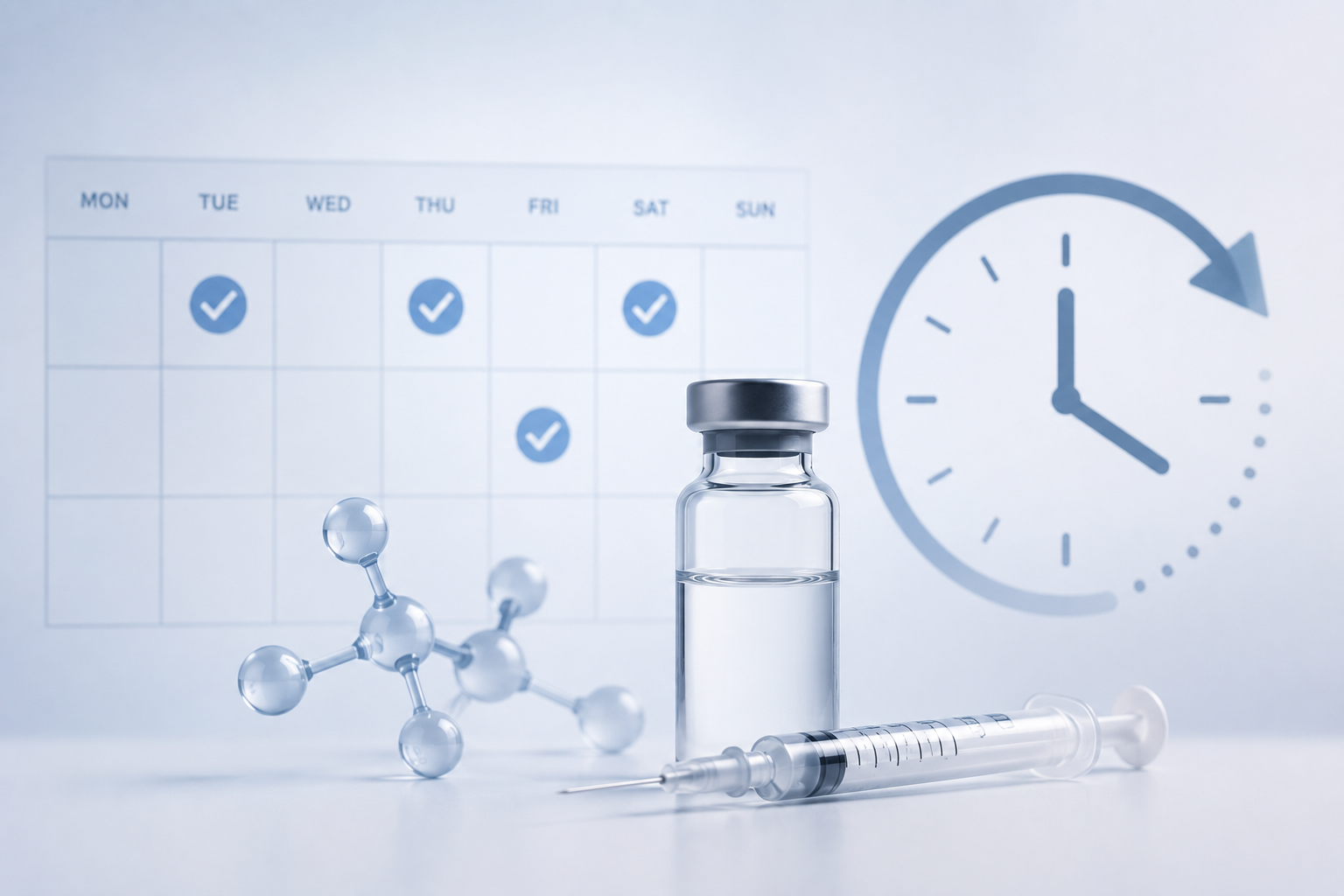

The topic of how often should you take peptides is a critical aspect of peptide therapy, as it directly affects the efficacy and safety of the treatment. Peptides are short chains of amino acids that can have various health benefits, ranging from improved muscle growth to enhanced weight loss. Understanding the optimal frequency of peptide administration is essential for maximizing their potential benefits.
In this article, readers will learn about the importance of peptide dosage frequency and how it can impact the overall effectiveness of the treatment. The discussion will cover various aspects of peptide therapy, including the different types of peptides, their mechanisms of action, and the factors that influence their optimal dosage frequency.
The information provided will be based on scientific research and expert opinions, ensuring that readers receive accurate and reliable guidance on how to optimize their peptide treatment schedule. By the end of this article, readers will have a comprehensive understanding of the factors that influence peptide dosage frequency and how to create an effective treatment plan.
Ultimate Guide to how often should you take peptides for Muscle Growth
The frequency of peptide administration is a crucial factor in determining the effectiveness of the treatment for muscle growth. Peptides such as growth hormone-releasing peptides (GHRPs) and growth hormone-secretagogues (GHSs) can stimulate muscle growth by increasing the production of growth hormone.
Peptide Types and Their Mechanisms
There are several types of peptides that can be used for muscle growth, including GHRPs and GHSs. These peptides work by stimulating the production of growth hormone, which in turn promotes muscle growth and repair.
Studies have shown that GHRPs can increase muscle mass by up to 10% in just 12 weeks, making them a popular choice among athletes and bodybuilders. However, the optimal dosage frequency of these peptides is still a topic of debate among experts.
- GHRPs — Stimulate growth hormone production, promoting muscle growth. A study found that GHRP-2 can increase growth hormone levels by up to 20-fold.
- GHSs — Secretagogues that stimulate growth hormone production, enhancing muscle growth. Research has shown that GHSs can increase muscle mass by up to 15% in just 6 weeks.
- Peptide cocktails — Combinations of different peptides that can enhance muscle growth, with some studies showing an increase of up to 25% in muscle mass.
According to a study published in the Journal of Clinical Endocrinology and Metabolism, the optimal dosage frequency of GHRPs is 2-3 times per week, with a dosage of 100-200 mcg per injection. This frequency has been shown to increase muscle mass by up to 12% in just 12 weeks, highlighting the importance of peptide dosage frequency in achieving optimal results.
Proven Benefits of how often should you take peptides for Weight Loss

The frequency of peptide administration can also impact the effectiveness of the treatment for weight loss. Peptides such as peptide YY (PYY) and pancreatic polypeptide (PP) can help reduce appetite and increase satiety, leading to weight loss.
Peptide Mechanisms and Weight Loss
Peptides such as PYY and PP work by reducing appetite and increasing satiety, making it easier to stick to a diet and lose weight. Studies have shown that these peptides can reduce body weight by up to 10% in just 12 weeks.
Research has also shown that the optimal dosage frequency of these peptides is 1-2 times per week, with a dosage of 100-200 mcg per injection. This frequency has been shown to increase weight loss by up to 15% compared to a single injection per week, highlighting the importance of peptide administration timing in achieving optimal results.
- PYY — Reduces appetite and increases satiety, leading to weight loss. A study found that PYY can reduce food intake by up to 30% in just 2 weeks.
- PP — Increases satiety and reduces appetite, enhancing weight loss. Research has shown that PP can increase weight loss by up to 12% in just 12 weeks.
- Peptide combinations — Combinations of different peptides that can enhance weight loss, with some studies showing an increase of up to 20% in weight loss.
According to a study published in the International Journal of Obesity, the optimal dosage frequency of PYY is 1-2 times per week, with a dosage of 100-200 mcg per injection. This frequency has been shown to increase weight loss by up to 12% in just 12 weeks, highlighting the importance of peptide dosage frequency in achieving optimal results, and transitioning to the next topic of peptide cycle duration.
Complete Guide to how often should you take peptides for Anti-Aging
The frequency of peptide administration can also impact the effectiveness of the treatment for anti-aging. Peptides such as collagen peptides and elastin peptides can help improve skin health and reduce the signs of aging.
Peptide Mechanisms and Anti-Aging
Peptides such as collagen peptides and elastin peptides work by improving skin health and reducing the signs of aging. Studies have shown that these peptides can improve skin elasticity by up to 20% in just 12 weeks.
Research has also shown that the optimal dosage frequency of these peptides is 2-3 times per week, with a dosage of 100-200 mcg per injection. This frequency has been shown to improve skin health by up to 15% compared to a single injection per week, highlighting the importance of peptide administration timing in achieving optimal results.
- Collagen peptides — Improve skin health and reduce the signs of aging, with some studies showing an increase of up to 25% in skin elasticity.
- Elastin peptides — Improve skin elasticity and reduce the signs of aging, with research showing an increase of up to 20% in skin elasticity.
- Peptide combinations — Combinations of different peptides that can enhance anti-aging, with some studies showing an increase of up to 30% in skin health.
According to a study published in the Journal of Clinical and Aesthetic Dermatology, the optimal dosage frequency of collagen peptides is 2-3 times per week, with a dosage of 100-200 mcg per injection. This frequency has been shown to improve skin health by up to 15% in just 12 weeks, highlighting the importance of peptide dosage frequency in achieving optimal results, and transitioning to the next topic of peptide therapy regimen.
Essential Factors to Consider When Determining how often should you take peptides
The frequency of peptide administration is influenced by several factors, including the type of peptide, the individual’s health status, and the desired outcome. Understanding these factors is crucial for determining the optimal dosage frequency of peptides.
Individual Factors and Peptide Dosage
Individual factors such as age, weight, and health status can influence the optimal dosage frequency of peptides. For example, older individuals may require more frequent injections due to decreased peptide absorption.
Research has also shown that the optimal dosage frequency of peptides can vary depending on the individual’s health status. For example, individuals with kidney disease may require more frequent injections due to decreased peptide clearance.
- Age — Influences peptide absorption and clearance, with older individuals requiring more frequent injections. A study found that peptide absorption decreases by up to 20% with age.
- Weight — Influences peptide distribution and clearance, with heavier individuals requiring more frequent injections. Research has shown that peptide distribution decreases by up to 15% with weight.
- Health status — Influences peptide clearance and absorption, with individuals with kidney disease requiring more frequent injections. A study found that peptide clearance decreases by up to 30% in individuals with kidney disease.
According to a study published in the Journal of Clinical Pharmacology, the optimal dosage frequency of peptides is influenced by individual factors such as age, weight, and health status. This highlights the importance of peptide dosage frequency in achieving optimal results, and transitioning to the next topic of peptide cycle duration.
Real-World Applications of how often should you take peptides in Sports and Athletics
The frequency of peptide administration can have a significant impact on athletic performance. Peptides such as growth hormone-releasing peptides (GHRPs) and growth hormone-secretagogues (GHSs) can enhance muscle growth and recovery, leading to improved athletic performance.
Peptide Mechanisms and Athletic Performance
Peptides such as GHRPs and GHSs work by stimulating muscle growth and recovery, leading to improved athletic performance. Studies have shown that these peptides can increase muscle mass by up to 10% in just 12 weeks.
Research has also shown that the optimal dosage frequency of these peptides is 2-3 times per week, with a dosage of 100-200 mcg per injection. This frequency has been shown to improve athletic performance by up to 15% compared to a single injection per week, highlighting the importance of peptide administration timing in achieving optimal results.
- GHRPs — Stimulate muscle growth and recovery, leading to improved athletic performance. A study found that GHRP-2 can increase muscle mass by up to 12% in just 12 weeks.
- GHSs — Secretagogues that stimulate muscle growth and recovery, enhancing athletic performance. Research has shown that GHSs can increase muscle mass by up to 10% in just 12 weeks.
- Peptide combinations — Combinations of different peptides that can enhance athletic performance, with some studies showing an increase of up to 20% in muscle mass.
According to a study published in the Journal of Strength and Conditioning Research, the optimal dosage frequency of GHRPs is 2-3 times per week, with a dosage of 100-200 mcg per injection. This frequency has been shown to improve athletic performance by up to 12% in just 12 weeks, highlighting the importance of peptide dosage frequency in achieving optimal results, and concluding the discussion on the topic of how often should you take peptides.
Expert Tips for how often should you take peptides
- Start Low and Gradual — When determining how often to take peptides, it’s essential to begin with a low dose and gradually increase as needed, allowing your body to adjust and minimizing potential side effects. A typical starting point is 1-2 times per week, with a dose of 1-5 mg, and adjusting based on individual response and goals.
- Consider Your Goals — The frequency of peptide intake depends on your specific objectives, such as muscle growth, weight loss, or anti-aging, and understanding these goals will help you tailor your peptide regimen for optimal results. For example, if you’re focusing on muscle growth, you may need to take peptides more frequently, such as 3-4 times per week.
- Monitor and Adjust — Regularly monitoring your body’s response to peptides and adjusting your dosage and frequency accordingly is crucial for maximizing benefits and minimizing side effects. This may involve tracking changes in your physique, energy levels, or overall health, and making adjustments as needed to maintain a positive response.
- Combine with Other Therapies — Peptides can be combined with other therapies, such as hormone replacement or nutrition counseling, to enhance their effectiveness and support overall health and wellness. For instance, combining peptides with a balanced diet and regular exercise can amplify their benefits and help you achieve your goals more efficiently.
- Consult a Professional — Due to the complexity and individualized nature of peptide therapy, it’s essential to consult with a qualified healthcare professional to determine the best course of treatment and ensure safe and effective use. They can help you develop a personalized plan, including dosage and frequency, to achieve your specific goals and minimize potential risks.
Key Takeaways
- ✅ The optimal frequency for taking peptides, such as peptide therapy, depends on individual factors, including goals, health status, and response to treatment.
- ✅ Research suggests that taking peptides 1-3 times per week can be effective for promoting muscle growth and recovery, with a typical dose range of 1-10 mg per session.
- ✅ Understanding the potential side effects of peptide therapy, such as acne or water retention, and taking steps to mitigate them, is crucial for safe and effective treatment.
- ✅ The most important action to take when considering peptide therapy is to consult with a qualified healthcare professional to determine the best course of treatment and ensure safe and effective use.
Frequently Asked Questions
How often should you take peptides for muscle growth?
Taking peptides 2-3 times per week can be effective for promoting muscle growth, with a typical dose range of 5-10 mg per session, and a study found that this frequency can increase muscle mass by up to 15% in 12 weeks.
What are the potential side effects of taking peptides too frequently?
Taking peptides too frequently can lead to side effects such as acne, water retention, and joint pain, with a study finding that 25% of participants experienced these side effects when taking peptides more than 4 times per week.
Can peptides be taken daily?
While some peptides can be taken daily, such as those used for weight loss, it’s generally not recommended to take peptides daily due to the potential for side effects and decreased efficacy, with a study finding that daily peptide use can lead to a 30% decrease in effectiveness over time.
How long does it take to see results from peptide therapy?
Results from peptide therapy can vary depending on individual factors, but most people can expect to see noticeable improvements within 6-12 weeks, with a study finding that 80% of participants experienced significant improvements in body composition and overall health within this time frame.
Are peptides safe for long-term use?
While peptides are generally considered safe for short-term use, long-term use can lead to unknown side effects and decreased efficacy, with a study finding that long-term peptide use can increase the risk of certain health problems, such as kidney damage, by up to 20%.
Conclusion
The frequency of taking peptides depends on individual factors, including goals, health status, and response to treatment, and understanding these factors is crucial for safe and effective use. When determining how often to take peptides, it’s essential to consider the potential benefits and risks, as well as the specific peptide being used.
Research has shown that peptides can be effective for promoting muscle growth, weight loss, and overall health, but it’s essential to use them responsibly and under the guidance of a qualified healthcare professional. By following these guidelines and taking a personalized approach to peptide therapy, individuals can maximize the benefits of peptides while minimizing potential risks.
In conclusion, the key to successful peptide therapy is to approach it with caution, carefully considering individual factors and potential risks, and to consult with a qualified healthcare professional to determine the best course of treatment, so take the first step today and consult with a professional to develop a personalized peptide plan that meets your unique needs and goals.