
Peptides are short chains of amino acids that play vital roles in biology, medicine, and industry. From acting as hormones and signaling molecules to being used in new drug designs, peptides have gained much attention. However, their usefulness often faces a major challenge—peptide degradation. When peptides break down, their function is lost, and their safety can be affected. Understanding the common causes behind peptide degradation helps researchers, pharmacists, and manufacturers preserve these precious molecules for longer, enhancing their effectiveness and safety.
Whether you are storing peptides for research, developing peptide-based drugs, or simply curious about the science, it is important to know why peptides degrade. This knowledge can help you avoid common mistakes and improve outcomes. Below, you will find a detailed guide to the main factors behind peptide degradation, practical examples, and expert insights to help you protect peptides in the real world.
What Is Peptide Degradation?
Peptide degradation refers to the breaking down or chemical change of peptide molecules, leading to a loss of their original structure or activity. This can happen through different processes, including chemical reactions, physical changes, or even biological actions by enzymes. When peptides degrade, they may become inactive, less effective, or even harmful.
A simple example is insulin, a peptide hormone. If insulin degrades in storage, it can lose its ability to control blood sugar. This shows why keeping peptides stable is essential, especially in medicine and research.
Why Does Peptide Degradation Matter?
The stability of peptides is crucial for:
- Drug safety and effectiveness: Degraded peptides may not work as intended and can cause side effects.
- Research accuracy: Unstable peptides may give unreliable results in experiments.
- Cost and waste: Degradation leads to loss of valuable material, increasing costs.
Because of these reasons, scientists and manufacturers pay close attention to what causes peptide degradation and how to prevent it.

Credit: www.sciencedirect.com
Main Causes Of Peptide Degradation
Peptide degradation can be caused by several factors, often acting together. Here are the most common causes, explained in detail.
1. Hydrolysis
Hydrolysis is a chemical reaction where water breaks the bonds between amino acids in a peptide. This process cuts the peptide chain into smaller pieces, destroying its function.
- How it happens: Hydrolysis usually occurs at the peptide bond (the link between two amino acids). Factors like high temperature, acidic or alkaline pH, and the presence of water can speed up hydrolysis.
- Example: In protein-based drugs, hydrolysis can break down the active ingredient, reducing its effectiveness.
Key insight: Some amino acids like aspartic acid and glutamic acid are more sensitive to hydrolysis, making peptides with these residues less stable.
2. Oxidation
Oxidation is when oxygen or other reactive substances attack certain amino acids, changing their structure.
- Sensitive amino acids: Methionine, cysteine, tryptophan, tyrosine, and histidine are especially vulnerable.
- Triggers: Light, metal ions, and even the presence of air can start oxidation.
- Effects: Oxidation can change the charge, size, or shape of the peptide, causing loss of function or even forming harmful by-products.
Practical tip: Store peptides away from light and in airtight Containers to reduce oxidation.
3. Deamidation
Deamidation is a reaction where an amide group is removed from amino acids like asparagine or glutamine, usually turning them into aspartic acid or glutamic acid.
- Impact: This small chemical change can greatly affect the peptide’s stability and activity.
- Conditions: Deamidation happens more quickly at higher pH (alkaline conditions) and higher temperatures.
Non-obvious insight: Deamidation can sometimes lead to the formation of isoaspartate, which bends the peptide chain and may cause it to clump together.
4. Racemization
Racemization is when an amino acid switches from its natural “L” form to a “D” form (mirror image).
- Why it matters: Most biological systems only use “L” amino acids. Racemization can make a peptide less active or even trigger an immune response.
- Triggers: High temperature, strong bases, and some buffer chemicals can speed up racemization.
5. Disulfide Bond Shuffling
Some peptides have disulfide bonds—links between sulfur atoms in cysteine residues. These bonds hold the peptide in a specific shape.
- Degradation risk: Disulfide bonds can break and reform incorrectly, especially in the presence of reducing agents or changes in pH. This is called disulfide bond shuffling.
- Result: The peptide may lose its correct 3D structure, becoming inactive.
Key advice: Use gentle storage conditions and avoid reducing chemicals to protect disulfide bonds.
6. Enzymatic Degradation
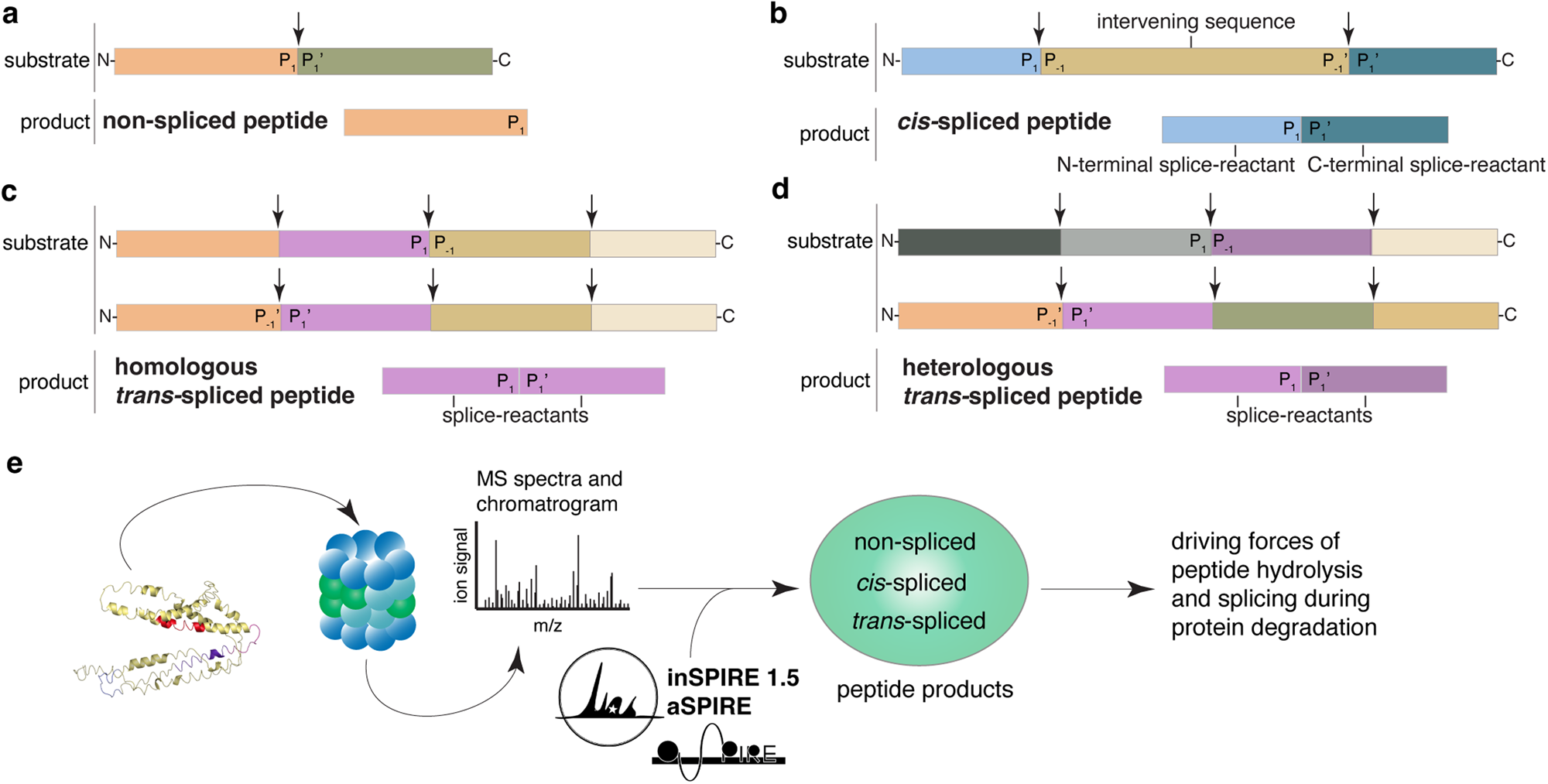
Enzymes called proteases are found in living tissues and even in the environment. These enzymes break down peptides for normal biological processes.
- Problem for peptides: If you are storing peptides outside the body, environmental proteases can still attack them, especially if they are not kept clean or are handled with bare hands.
- Example: In the body, injected peptide drugs are often quickly broken down by proteases unless specially protected.
Practical insight: Use protease inhibitors or chemical modifications to protect peptides during handling or experiments.
7. Aggregation And Precipitation
Aggregation is when peptides stick together and form larger clumps. Precipitation is when these clumps become so big that they fall out of solution.
- Causes: Changes in temperature, pH, or concentration can trigger aggregation.
- Consequences: Aggregated peptides lose their normal function and are hard to use in experiments or as drugs.
- Example: Amyloid diseases, like Alzheimer’s, are linked to peptide aggregation.
Tip for beginners: Keeping peptide solutions at low concentrations and using gentle mixing can reduce aggregation.
8. Adsorption To Surfaces
Peptides can stick to glass, plastic, or metal surfaces, especially at low concentrations.
- Why it matters: Adsorbed peptides are often lost and cannot be recovered, causing errors in experiments or lower drug doses.
- Prevention: Use low-binding tubes and add small amounts of carrier proteins (like BSA) to prevent peptides from sticking.
9. Photodegradation
Photodegradation happens when light (especially UV) causes chemical changes in peptides.
- Sensitive peptides: Those with tryptophan, tyrosine, or phenylalanine are more likely to degrade under light.
- Effects: Peptides may break apart, change color, or lose their activity.
Expert tip: Always store peptides in dark, amber vials to minimize light exposure.
10. Chemical Impurities
Even small amounts of impurities from manufacturing, solvents, or containers can react with peptides and start degradation.
- Examples: Traces of metal ions can cause oxidation, while leftover acids or bases from synthesis can promote hydrolysis or deamidation.
- Quality control: High-purity reagents and careful manufacturing help prevent this problem.
11. Freeze-thaw Cycles
Peptides are often stored frozen. But if they are thawed and refrozen many times, ice crystals can damage their structure.
- Problem: Repeated freeze-thaw cycles break peptide bonds, encourage aggregation, and may introduce contamination.
- Best practice: Aliquot peptides into small portions to avoid repeated freezing and thawing.
12. Ph Instability
Peptides are sensitive to the pH of their environment.
- Low pH (acidic): Can cause hydrolysis or deamidation.
- High pH (alkaline): Can trigger racemization or deamidation.
- Optimal pH: Most peptides are stable near neutral pH (6.5–7.5).
Non-obvious mistake: Using the wrong buffer or not checking pH regularly can lead to unexpected peptide loss.
13. Temperature Fluctuations
High temperatures speed up all chemical reactions, including those that degrade peptides.
- Heat: Can cause hydrolysis, oxidation, and aggregation.
- Cold: Too low can cause precipitation or freeze damage (see above).
- Storage advice: Most peptides are best kept at -20°C or lower, unless otherwise specified.
14. Solvent Effects
The choice of solvent can change peptide stability.
- Aqueous solutions: Increase risk of hydrolysis and microbial growth.
- Organic solvents (like acetonitrile): Sometimes used to dissolve hydrophobic peptides but can denature or damage sensitive ones.
- Water content: Even small amounts of water in solvents can increase hydrolysis risk.
Practical point: Choose solvents based on peptide chemistry and store dry if possible.
15. Microbial Contamination
Bacteria or fungi can grow in peptide solutions, especially when stored at room temperature or in non-sterile conditions.
- How it causes degradation: Microbes release enzymes that break down peptides and can also produce acids or bases that harm peptides.
- Prevention: Use sterile techniques, store at low temperatures, and add preservatives if needed.
16. Mechanical Stress
Vigorous shaking, vortexing, or pipetting can introduce air or break delicate peptide structures.
- Shear forces: Can cause aggregation or even break peptide bonds in sensitive peptides.
- Tip: Handle peptides gently and avoid frothing or bubbling.
17. Metal Ion Catalysis
Some metal ions, like iron or copper, can speed up oxidation or other degradation reactions.
- Sources: Contaminated glassware, impure reagents, or tap water.
- Prevention: Use ultrapure water and avoid contact with metal tools.
18. Chemical Modifications During Synthesis
Peptide synthesis can sometimes introduce errors or unwanted modifications, such as acetylation, formylation, or methylation.
- Impact: These changes can make peptides less stable or introduce sites for faster degradation.
- Quality check: Reliable suppliers and thorough analytical testing are essential.
19. Storage Container Materials
The type of container used for peptides can matter.
- Glass: Can cause adsorption or release metal ions.
- Plastic: Some plastics react with solvents or leach chemicals into the solution.
- Ideal choice: Use certified low-binding tubes and check for compatibility with your peptide and solvent.
20. Peptide Sequence And Length
The actual amino acid sequence and the length of the peptide affect its stability.
- Short peptides: Often more stable but can be more easily degraded by proteases.
- Long peptides: More sites for hydrolysis, oxidation, and aggregation.
- Sequence effects: Some sequences are prone to forming unstable loops or exposed sites for degradation.
Expert insight: Modifying the peptide sequence (e.g., adding protective groups or using D-amino acids) can often improve stability.
Comparison Of Peptide Degradation Factors
To better understand how different factors affect peptide stability, here is a summary of their impact and typical prevention methods:
| Degradation Cause | Impact Level | Prevention Strategy |
|---|---|---|
| Hydrolysis | High | Store dry, control pH, low temperature |
| Oxidation | Medium-High | Use inert gas, airtight containers, avoid light |
| Deamidation | Medium | Neutral pH, low temperature |
| Racemization | Low-Medium | Control pH, gentle synthesis conditions |
| Enzymatic Degradation | High | Sterile handling, protease inhibitors |
Credit: www.nature.com
Real-world Examples Of Peptide Degradation
Peptide Drugs
Peptide drugs like insulin and glucagon are sensitive to hydrolysis and oxidation. Strict storage at low temperatures and in dark, airtight vials is necessary. Even small temperature changes can ruin a vial of insulin.
Cosmetic Peptides
Many anti-aging creams contain peptides. If these creams are left open, exposed to air, or stored in the sun, oxidation and photodegradation quickly reduce their effectiveness.
Laboratory Peptides
Researchers often find that peptides kept at room temperature lose activity much faster than those stored at -20°C. Unnoticed adsorption to plastic pipette tips can also cause low or variable experimental results.
Strategies To Prevent Peptide Degradation
Knowing the causes is only half the battle; prevention is key. Here are reliable strategies:
- Store peptides dry whenever possible, at -20°C or below.
- Avoid repeated freeze-thaw cycles by dividing peptides into small aliquots.
- Use airtight, amber vials to block light and air.
- Check pH of solutions before and after dissolving peptides.
- Handle peptides gently to avoid mechanical stress.
- Use high-purity reagents and containers to minimize impurities and metal ions.
- Work quickly and keep solutions cold during handling and experiments.
- Add protease inhibitors or use modified peptides for in vivo or cell culture work.
- Label and track storage conditions carefully for each peptide batch.
- Consult supplier data sheets for specific storage and handling recommendations.
Peptide Degradation Rate Comparison
Below is a comparison of degradation rates for peptides under different storage conditions:
| Storage Condition | Degradation After 1 Month (%) | Notes |
|---|---|---|
| -20°C, dry, dark | 1-2% | Best practice for most peptides |
| 4°C, in solution | 10-20% | Short-term storage only |
| Room temperature, exposed to light | 30-50% | Strongly discouraged |
| Multiple freeze-thaw cycles | 20-40% | Aliquot to avoid |
Advanced Solutions For Peptide Stability
Researchers and manufacturers use advanced techniques to protect peptides:
- PEGylation: Attaching polyethylene glycol (PEG) groups shields peptides from enzymes and slows degradation.
- Cyclization: Connecting the ends of the peptide makes it harder for enzymes to attack.
- Unnatural amino acids: Replacing some amino acids with synthetic versions can block hydrolysis and protease action.
- Freeze-drying (lyophilization): Removing water extends shelf life.
These strategies are especially useful for peptides used in medicine, where stability is critical.
Common Mistakes Beginners Make
Many beginners overlook the importance of:
- Container choice: Using regular lab tubes instead of low-binding, certified containers.
- Water quality: Dissolving peptides in tap or low-grade water, introducing metal ions.
- Ignoring pH: Not checking or adjusting pH after dissolving peptides.
- Improper handling: Shaking or vortexing too hard, causing mechanical stress.
Paying attention to these details can make a big difference in peptide stability.
Further Reading
For those who want to dive deeper, the Wikipedia page on Peptides offers more background on peptide chemistry and applications.

Credit: www.cell.com
Frequently Asked Questions
What Are The Main Signs That A Peptide Has Degraded?
Common signs include loss of activity, color changes, cloudiness, precipitation, or unexpected experimental results. Sometimes, lab analysis (like HPLC or mass spectrometry) is needed to confirm degradation.
How Long Can Peptides Be Stored Safely?
Most peptides can be stored dry at -20°C for months to years with little degradation. In solution, especially at room temperature, peptides may only last days or weeks. Always check the supplier’s recommendations.
Can Peptide Degradation Harm Human Health?
Yes, degraded peptides may not work as intended and can cause side effects or immune reactions, especially in medicines or research involving animals or people.
Are Some Peptides More Stable Than Others?
Yes, peptide stability depends on the sequence, length, and presence of sensitive amino acids. Peptides with many cysteines or methionines, or those with long chains, are usually less stable.
How Can I Prevent Peptide Degradation In The Lab?
Use low temperatures, avoid light, store dry, aliquot to prevent freeze-thaw cycles, use high-purity water, and check pH. Handle peptides gently and use proper containers.
Peptide degradation is a complex topic, but understanding the main causes and taking practical steps can greatly improve peptide stability. Whether in research, medicine, or industry, careful handling and storage help unlock the full power of peptides for science and health.