
Peptides are small chains of amino acids that play vital roles in biology, medicine, and research. From acting as hormones and signaling molecules to being important building blocks for proteins, their functions are many. However, one common challenge with peptides is their degradation. Understanding why peptides degrade is not just important for scientists or pharmacists but also for anyone involved in peptide research, storage, or therapeutic use. If peptides break down too quickly or unpredictably, their effectiveness drops, and results can become unreliable.
In this article, you’ll find a clear explanation of the main factors that cause peptide degradation. We’ll explore chemical, physical, and biological reasons, and show you how each can impact peptide quality and stability. Whether you work in a laboratory, use peptide supplements, or just want to learn more, you’ll get a complete picture of this important topic.
What Is Peptide Degradation?
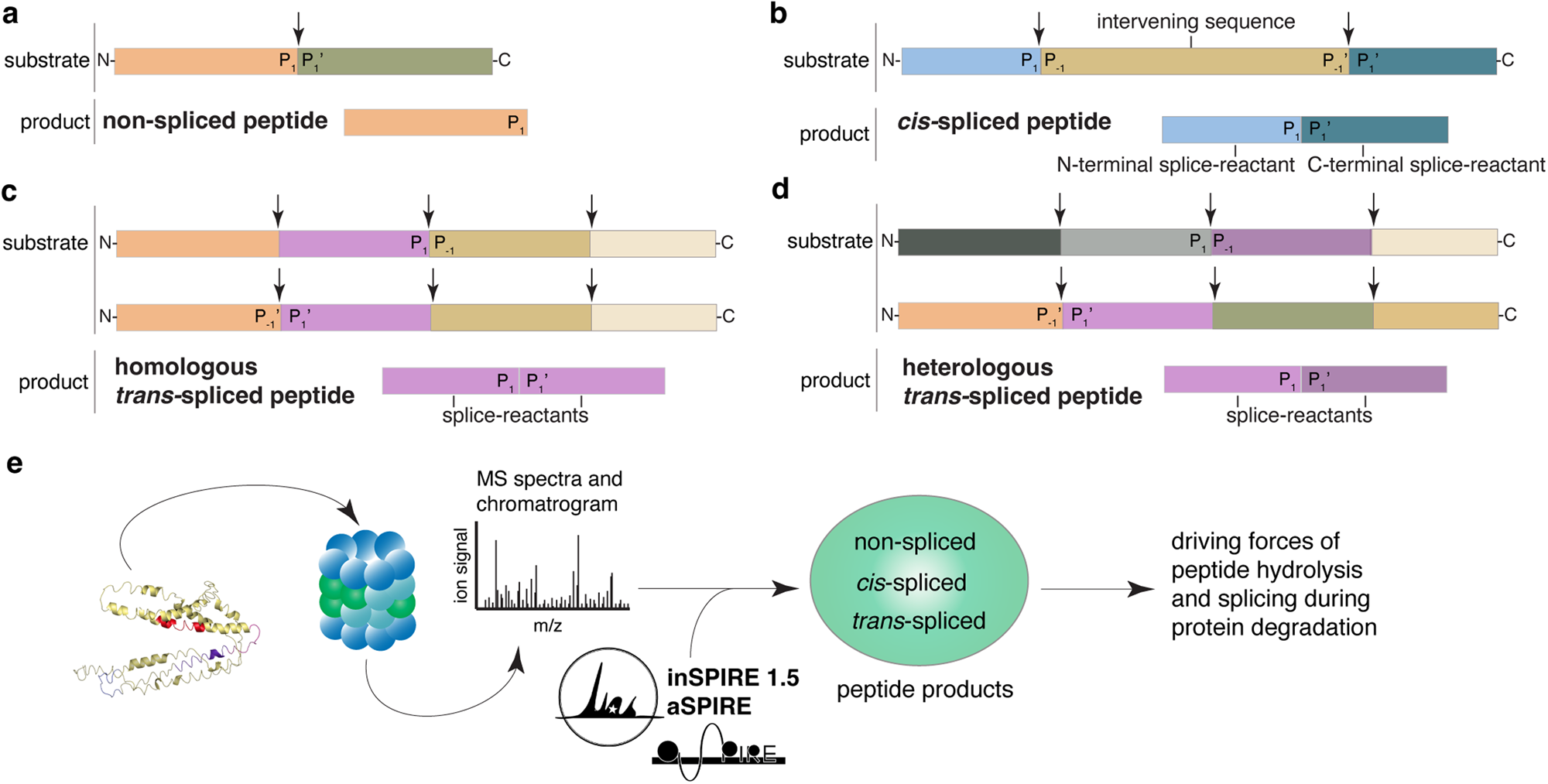
Peptide degradation refers to the breakdown of peptide chains into smaller fragments or individual amino acids. This process can happen due to many factors, such as chemical reactions, physical stress, or biological enzymes. When peptides degrade, their structure changes, which can affect their function, potency, and safety.
For example, insulin is a peptide hormone. If it degrades before use, it may not control blood sugar properly. Similarly, peptides used in lab experiments can give wrong results if they degrade unexpectedly.
It’s important to note that all peptides will degrade over time. The goal is to slow down this process and understand what speeds it up.
Chemical Causes Of Peptide Degradation
Peptides are sensitive to different chemical reactions. Some of these reactions happen naturally, while others are triggered by specific conditions. Here are the main chemical causes:
1. Hydrolysis
Hydrolysis is a chemical reaction where water breaks peptide bonds. This is one of the most common ways peptides degrade, especially in solution.
- Why it matters: Even a small amount of water can start breaking peptide bonds.
- Example: A peptide stored in a humid environment will degrade faster due to hydrolysis.
- Tip: Always keep peptides dry and use airtight containers.
2. Oxidation
Oxidation happens when certain amino acids react with oxygen, light, or reactive chemicals. Methionine, cysteine, and tryptophan are especially sensitive.
- Why it matters: Oxidized peptides can lose their activity or even become harmful.
- Example: If a peptide solution is left open to air, it may turn cloudy and lose effectiveness.
- Tip: Store peptides in dark, sealed vials and use nitrogen gas if possible.
3. Deamidation
Deamidation is a reaction where amide groups (from asparagine or glutamine) turn into acids. This changes the peptide’s structure.
- Why it matters: Even one deamidation can change a peptide’s function.
- Example: Biopharmaceuticals often fail quality checks due to deamidation.
- Tip: Store at low temperatures to slow down deamidation.
4. Racemization
Racemization means an amino acid changes from its natural “L” form to the “D” form. This can happen during synthesis or storage, especially at high pH.
- Why it matters: Most enzymes only recognize the “L” form, so racemization reduces biological activity.
- Example: Peptide drugs can become less effective if racemization occurs.
- Tip: Avoid high pH and strong bases during storage.
5. Disulfide Bond Scrambling
Some peptides have disulfide bonds (connections between cysteine amino acids). These bonds can break and reform in the wrong places.
- Why it matters: Incorrect disulfide bonds can make the peptide fold incorrectly.
- Example: Insulin and other hormone peptides rely on correct disulfide bonds.
- Tip: Use reducing agents or proper buffers to protect disulfide bonds.
6. Β-elimination
β-Elimination is a less common reaction where the peptide backbone breaks near cysteine, serine, or threonine.
- Why it matters: This leads to loss of structure and function.
- Example: Peptides in high pH buffers are more likely to undergo β-elimination.
- Tip: Keep pH close to neutral.
7. Isomerization
Isomerization usually affects aspartic acid, making it switch to a different form (isoaspartate). This subtle change can impact peptide action.
- Why it matters: Even minor changes in backbone position can disrupt function.
- Example: Some peptide drugs lose up to 20% activity due to isomerization after months of storage.
- Tip: Monitor storage time and conditions.
Comparison Of Main Chemical Degradation Types
| Degradation Type | Main Trigger | Peptide Sites Most Affected | Prevention Tip |
|---|---|---|---|
| Hydrolysis | Water/moisture | Peptide bonds | Keep dry, use desiccant |
| Oxidation | Oxygen/light | Methionine, cysteine, tryptophan | Store sealed, in dark |
| Deamidation | High pH, temperature | Asparagine, glutamine | Cool storage, neutral pH |

Credit: www.sciencedirect.com
Physical Causes Of Peptide Degradation
Physical factors can also damage peptide structure. These are often overlooked, but they matter just as much as chemistry.
1. Temperature
Heat is one of the fastest ways to degrade peptides. High temperatures speed up all chemical reactions, including those that break peptides.
- Why it matters: Even short-term exposure to heat can cause damage.
- Example: Peptide vials left at room temperature in summer can lose 10–20% activity in days.
- Tip: Store at −20°C or lower if possible.
2. Light Exposure
UV and visible light can break down some amino acids and trigger oxidation or other reactions.
- Why it matters: Some peptides are especially light-sensitive.
- Example: Peptides with tryptophan degrade quickly under fluorescent lighting.
- Tip: Use amber vials and keep in the dark.
3. Freeze-thaw Cycles
Every time a peptide is frozen and thawed, ice crystals form and melt. This can stress the peptide chain and cause aggregation or breaking.
- Why it matters: Even 2–3 cycles can reduce peptide quality.
- Example: Labs sometimes see inconsistent results when using peptides that have been repeatedly thawed.
- Tip: Aliquot peptides into small vials to avoid repeated freezing.
4. Mechanical Agitation
Vortex mixing or shaking can unfold peptides, especially longer chains. This can also introduce air, leading to oxidation.
- Why it matters: Unfolded peptides may not refold correctly.
- Example: Shaking peptide solutions for a few minutes can lower their potency.
- Tip: Mix gently by swirling.
5. Adsorption To Surfaces
Peptides can stick to glass or plastic surfaces, especially at low concentrations. This isn’t true degradation, but it does reduce the amount of active peptide.
- Why it matters: You might lose up to 30% of your peptide to the vial wall.
- Example: Short peptides and hydrophobic sequences are most likely to stick.
- Tip: Use low-binding tubes and add carrier proteins if needed.
Data: Peptide Stability At Different Temperatures
| Storage Temperature | Estimated Stability (months) | Common Use |
|---|---|---|
| −80°C | 24+ | Long-term storage |
| −20°C | 12–18 | Lab use |
| 4°C | 1–2 | Short-term experiments |
| Room temperature | 0.2–0.5 | Transport only |
Biological Causes Of Peptide Degradation
Peptides can also be broken down by enzymes and microorganisms. These causes are especially important for peptides used in the body or in cell studies.
1. Proteases
Proteases are enzymes that cut peptide bonds. They are everywhere: in blood, tissues, bacteria, and even in lab solutions.
- Why it matters: Proteases can destroy a peptide within minutes.
- Example: Injected peptide drugs are quickly degraded by proteases in the bloodstream.
- Tip: Use protease inhibitors or modify peptide sequence to resist breakdown.
2. Microbial Contamination
Bacteria and fungi can produce their own enzymes, further degrading peptides. Contamination often happens during handling.
- Why it matters: Microbes can reduce peptide purity and add toxins.
- Example: Peptide solutions that turn cloudy or change smell may be contaminated.
- Tip: Use sterile technique and filter solutions.
3. Blood And Tissue Environment
When peptides are used as drugs, they face many chemical and enzymatic threats inside the body: acidic stomach, blood enzymes, and cell uptake.
- Why it matters: Many therapeutic peptides need chemical modifications to survive in the body.
- Example: Oral peptide drugs rarely work unless protected by special coatings.
- Tip: Use delivery systems or modify peptides for stability.
4. Cellular Uptake And Metabolism
Once inside cells, peptides can be further broken down by cellular enzymes. This limits how long they can act.
- Why it matters: For peptide-based imaging agents or drugs, short half-life means frequent dosing.
- Example: Some peptides are metabolized in less than 30 minutes in blood.
- Tip: Use D-amino acids or cyclization to slow breakdown.
Comparison: Biological Vs. Chemical Degradation
| Factor | Main Examples | Speed of Degradation | Prevention Options |
|---|---|---|---|
| Chemical | Hydrolysis, oxidation | Hours to weeks | Control storage, pH, light |
| Biological | Proteases, microbes | Seconds to hours | Protease inhibitors, sterile prep |

Credit: www.cell.com
Environmental Factors Influencing Peptide Degradation
Peptide degradation is not just about the molecule itself. The environment plays a big role.
1. Ph
The acidity or alkalinity of the solution can speed up many chemical reactions that degrade peptides.
- Example: Deamidation and hydrolysis are much faster at high pH.
- Tip: Most peptides are stable at pH 5–7.
2. Ionic Strength
A solution’s ionic strength (salt concentration) affects peptide solubility and folding. Too much salt can cause aggregation.
- Example: Salts like NaCl or KCl can change the rate of hydrolysis or oxidation.
- Tip: Use buffers with moderate ionic strength.
3. Presence Of Metal Ions
Metal ions like iron and copper can promote oxidation. They act as catalysts and speed up unwanted reactions.
- Example: Peptides in tap water degrade faster than in distilled water due to trace metals.
- Tip: Use metal-free buffers and labware.
4. Air And Humidity
Oxygen in the air and water vapor both speed up degradation. Peptides exposed to humid air show much faster hydrolysis and oxidation.
- Example: Lyophilized (freeze-dried) peptides left open to air can lose 50% of their activity in weeks.
- Tip: Store under dry, inert gas if possible.
Synthesis And Purification-related Causes
Sometimes, peptides degrade because of how they are made or cleaned up.
1. Impurities From Synthesis
Incomplete reactions during peptide synthesis can leave behind by-products. These can react with the peptide during storage.
- Example: Unprotected side chains can react with air or moisture.
- Tip: Use high-quality, purified peptides for critical work.
2. Incomplete Removal Of Solvents
If peptides are not fully dried after synthesis or purification, leftover solvents can cause breakdown.
- Example: Traces of TFA (trifluoroacetic acid) can cause acid-catalyzed hydrolysis.
- Tip: Make sure peptides are fully lyophilized.
3. Poor Purification Methods
If unwanted salts, detergents, or other chemicals remain, they may catalyze degradation.
- Example: Peptides with leftover acetonitrile or salts degrade faster.
- Tip: Use proper HPLC or other purification methods.
Peptide Sequence And Structure
Not all peptides degrade at the same rate. The sequence and structure matter a lot.
1. Amino Acid Composition
Some amino acids are much more sensitive than others.
- Methionine, cysteine, tryptophan: Easily oxidized.
- Asparagine, glutamine: Prone to deamidation.
- Aspartic acid: Prone to isomerization.
2. Length And Shape
Short peptides may be more stable because they have fewer bonds to break. However, longer peptides may fold and protect their sensitive sites.
- Example: Cyclic peptides are often more stable than linear ones.
- Tip: Modify peptide structure to improve stability if needed.
3. Modifications
Adding certain chemical groups (PEGylation, cyclization, or non-natural amino acids) can slow degradation.
- Example: Many new peptide drugs use D-amino acids or cyclization to resist breakdown.
Non-obvious Insights For Peptide Stability
Many beginners overlook key details when working with peptides:
- Carrier Proteins Can Help: If you work with very dilute peptide solutions, adding a tiny amount of BSA (bovine serum albumin) or another carrier protein can prevent peptide loss to vial walls. This trick preserves both yield and activity.
- Peptide Solubility Matters: Not all peptides dissolve well in water. Forcing them to dissolve can cause aggregation or incomplete dissolution, making degradation seem worse than it is. Always check solubility and adjust solvents as needed.
How To Minimize Peptide Degradation
Here’s a practical summary for keeping peptides stable:
- Store peptides as dry powders at −20°C or −80°C.
- Use airtight, dark vials (amber glass is best).
- Avoid repeated freeze-thaw cycles by aliquoting.
- Use metal-free, low-binding labware.
- Work quickly and keep solutions cold.
- Add protease inhibitors for biological samples.
- Choose peptide modifications if needed for tough environments.
Why Peptide Degradation Matters
Unchecked peptide degradation means wasted money, failed experiments, and lower drug effectiveness. For researchers, this means unreliable data. For drug makers and doctors, it can mean lost potency and safety risks. Understanding and controlling degradation helps everyone get better, more consistent results.
If you want more technical detail, you can find excellent resources at the Wikipedia Peptide entry.
Credit: www.nature.com
Frequently Asked Questions
What Is The Main Cause Of Peptide Degradation?
The main causes are chemical reactions like hydrolysis and oxidation, as well as enzymatic breakdown by proteases. Storage conditions (temperature, moisture, light) also play a big role.
How Can I Store Peptides To Prevent Degradation?
Keep peptides as dry powders at −20°C or lower, in airtight, dark vials. Aliquot into small amounts to avoid freeze-thaw cycles and use low-binding tubes.
Why Do Some Peptides Degrade Faster Than Others?
Peptide sequence and structure affect stability. Peptides with methionine, cysteine, or asparagine degrade faster. Linear peptides and those without special modifications are often less stable.
Can Peptide Degradation Be Reversed?
No, once a peptide bond is broken or a side chain is modified (by oxidation or deamidation), the process cannot be reversed. Prevention is the best approach.
What Are Common Signs That A Peptide Has Degraded?
Look for cloudiness, color change, loss of activity, or unexpected lab results. Peptide solutions that smell, change pH, or show visible particles may be degraded.
Understanding peptide degradation gives you the knowledge to get better, more reliable results in your research or applications. With the right storage and handling, you can greatly extend the useful life of your peptides and avoid common mistakes.