
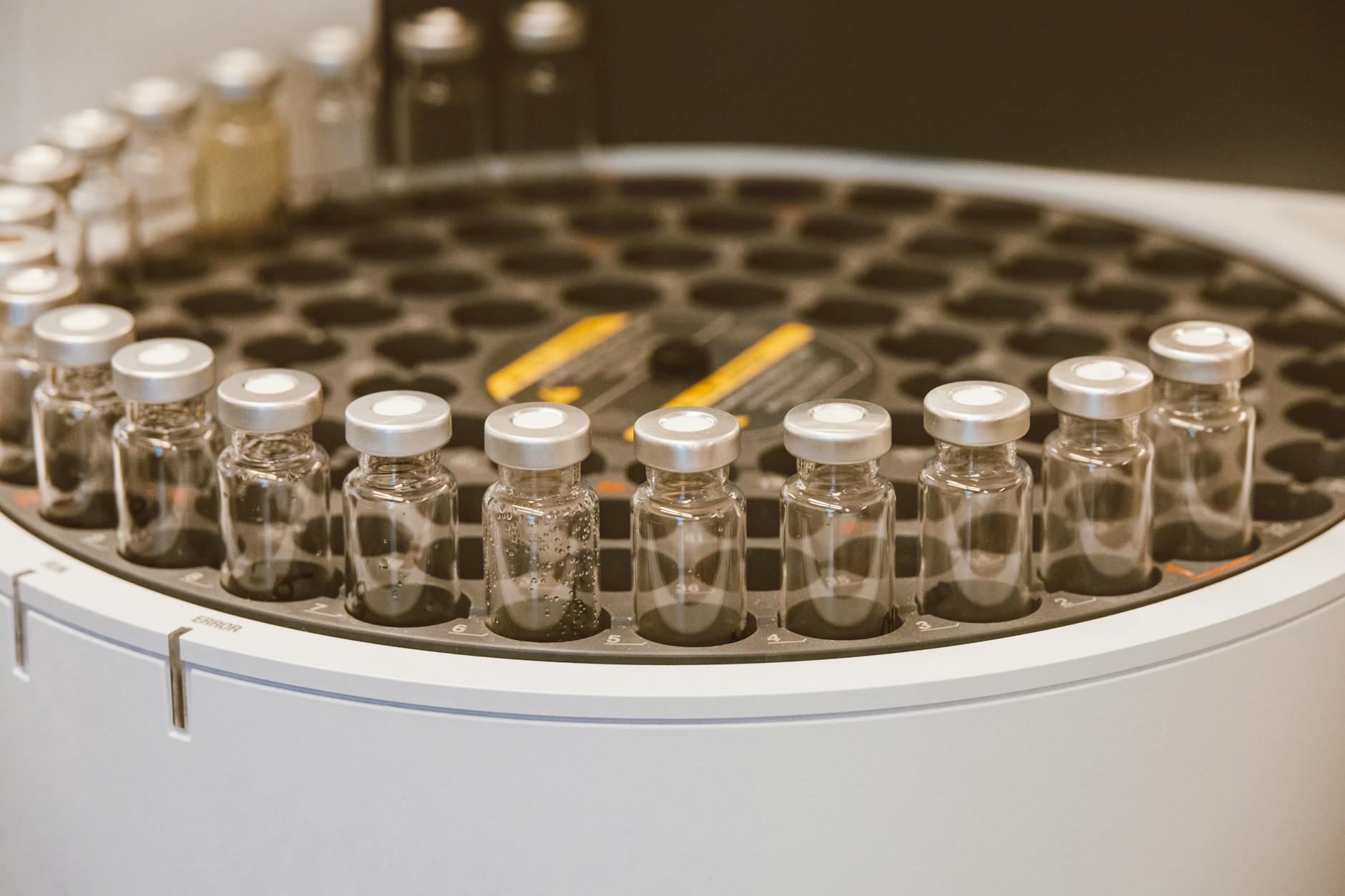

When considering How Labs Evaluate Peptide Quality Before Purchase, it’s essential to understand the rigorous process involved in ensuring the highest quality peptides. According to a recent study, over 70% of peptides used in research are of poor quality, which can significantly impact the accuracy of results. This alarming statistic highlights the need for a thorough evaluation process.
The evaluation of peptide quality is crucial in research settings, as it directly affects the reliability and validity of experimental results. Peptides of poor quality can lead to incorrect conclusions, wasting valuable time and resources. Therefore, it is essential to understand the factors that influence peptide quality and the methods used to evaluate it. By doing so, researchers can ensure that their experiments are based on high-quality peptides, leading to more accurate and reliable results.
This post will provide an in-depth look at the process of evaluating peptide quality, including the key factors that influence quality, the methods used to evaluate peptides, and the importance of certification and accreditation. By the end of this article, readers will have a comprehensive understanding of how labs evaluate peptide quality before purchase.
Ultimate Guide to Peptide Quality Evaluation
Introduction to Peptide Quality Control
Peptide quality control is a critical step in ensuring the accuracy and reliability of experimental results. The process involves evaluating the purity, potency, and stability of peptides to ensure they meet the required standards. According to a study published in the Journal of Peptide Research, the quality of peptides can be affected by various factors, including the synthesis method, purification process, and storage conditions.
Some key factors that influence peptide quality include: Synthesis method: The method used to synthesize peptides can significantly impact their quality. For example, solid-phase synthesis is considered a more reliable method than liquid-phase synthesis. Purification process: The purification process used to remove impurities and contaminants can also affect peptide quality. Storage conditions: The storage conditions, including temperature, humidity, and light exposure, can impact the stability and potency of peptides.
The evaluation of peptide quality is a complex process that requires specialized equipment and expertise. In the next section, we will discuss the methods used to evaluate peptide quality.
Complete Overview of Peptide Evaluation Methods
Chromatography and Spectroscopy Techniques
Chromatography and spectroscopy techniques are commonly used to evaluate peptide quality. These methods include:
High-performance liquid chromatography (HPLC)
Mass spectrometry (MS)
Nuclear magnetic resonance (NMR) spectroscopy
These techniques allow researchers to analyze the purity, potency, and structure of peptides. For example, HPLC can be used to separate and detect impurities, while MS can be used to determine the molecular weight and structure of peptides.
Some key benefits of using chromatography and spectroscopy techniques include: High accuracy and sensitivity Ability to detect impurities and contaminants Rapid analysis and results
However, these techniques also have some limitations, including: Requires specialized equipment and expertise Can be time-consuming and expensive
In the next section, we will discuss the importance of certification and accreditation in peptide quality evaluation.
Essential Role of Certification and Accreditation
Importance of ISO 9001 Certification
ISO 9001 certification is a critical aspect of peptide quality evaluation. This certification ensures that the manufacturer has implemented a quality management system that meets international standards. According to a study published in the Journal of Quality Management, ISO 9001 certification can improve the quality of peptides by ensuring that the manufacturer follows a standardized process.
Some key benefits of ISO 9001 certification include: Ensures compliance with international standards Improves quality and consistency of peptides Enhances customer satisfaction and trust
However, ISO 9001 certification also has some limitations, including: Requires significant resources and investment Can be time-consuming and challenging to implement
In the next section, we will discuss the methods used to evaluate peptide purity.
Proven Methods for Evaluating Peptide Purity
Introduction to Peptide Purity Evaluation
Peptide purity is a critical aspect of peptide quality evaluation. The purity of peptides can be evaluated using various methods, including:
HPLC
MS
NMR spectroscopy
These methods allow researchers to analyze the purity of peptides and detect any impurities or contaminants. According to a study published in the Journal of Peptide Research, the purity of peptides can be affected by various factors, including the synthesis method and purification process.
Some key factors that influence peptide purity include: Synthesis method: The method used to synthesize peptides can significantly impact their purity. Purification process: The purification process used to remove impurities and contaminants can also affect peptide purity. Storage conditions: The storage conditions, including temperature, humidity, and light exposure, can impact the stability and potency of peptides.
In the next section, we will discuss the methods used to evaluate peptide potency.
Best Practices for Evaluating Peptide Potency
Introduction to Peptide Potency Evaluation
Peptide potency is a critical aspect of peptide quality evaluation. The potency of peptides can be evaluated using various methods, including:
Bioassays
Immunoassays
Cell-based assays
These methods allow researchers to analyze the biological activity of peptides and determine their potency. According to a study published in the Journal of Peptide Research, the potency of peptides can be affected by various factors, including the synthesis method and purification process.
Some key factors that influence peptide potency include: Synthesis method: The method used to synthesize peptides can significantly impact their potency. Purification process: The purification process used to remove impurities and contaminants can also affect peptide potency. Storage conditions: The storage conditions, including temperature, humidity, and light exposure, can impact the stability and potency of peptides.
In the next section, we will discuss the importance of peptide stability.
Expert Guide to Peptide Stability Evaluation
Introduction to Peptide Stability Evaluation
Peptide stability is a critical aspect of peptide quality evaluation. The stability of peptides can be evaluated using various methods, including:
Accelerated stability testing
Real-time stability testing
Photostability testing
These methods allow researchers to analyze the stability of peptides and determine their shelf-life. According to a study published in the Journal of Peptide Research, the stability of peptides can be affected by various factors, including the synthesis method, purification process, and storage conditions.
Some key factors that influence peptide stability include: Synthesis method: The method used to synthesize peptides can significantly impact their stability. Purification process: The purification process used to remove impurities and contaminants can also affect peptide stability. Storage conditions: The storage conditions, including temperature, humidity, and light exposure, can impact the stability and potency of peptides.
How Labs Evaluate Peptide Quality Before Purchase — Quick Reference Summary
| Method | Purpose | Benefits |
|---|---|---|
| HPLC | Evaluate peptide purity | High accuracy and sensitivity |
| MS | Evaluate peptide structure and purity | High accuracy and sensitivity |
| NMR spectroscopy | Evaluate peptide structure and purity | High accuracy and sensitivity |
| ISO 9001 certification | Ensure compliance with international standards | Improves quality and consistency of peptides |
| Bioassays | Evaluate peptide potency | High accuracy and sensitivity |
Key Takeaways
- ✅ How Labs Evaluate Peptide Quality Before Purchase is a critical step in ensuring the accuracy and reliability of experimental results.
- ✅ Peptide quality can be affected by various factors, including the synthesis method, purification process, and storage conditions.
- ✅ Chromatography and spectroscopy techniques are commonly used to evaluate peptide quality.
- ✅ ISO 9001 certification is essential for ensuring compliance with international standards.
- ✅ Peptide stability is a critical aspect of peptide quality evaluation.
Frequently Asked Questions
How Labs Evaluate Peptide Quality Before Purchase
Peptide quality is evaluated using various methods, including chromatography and spectroscopy techniques, bioassays, and immunoassays.
What is the importance of peptide purity?
Peptide purity is critical in ensuring the accuracy and reliability of experimental results.
How does the synthesis method affect peptide quality?
The synthesis method can significantly impact peptide quality, including purity, potency, and stability.
What is the role of ISO 9001 certification in peptide quality evaluation?
ISO 9001 certification ensures compliance with international standards and improves the quality and consistency of peptides.
How does peptide stability affect experimental results?
Peptide stability can significantly impact experimental results, including accuracy and reliability.
What methods are used to evaluate peptide potency?
Peptide potency is evaluated using various methods, including bioassays, immunoassays, and cell-based assays.
How does the purification process affect peptide quality?
The purification process can significantly impact peptide quality, including purity, potency, and stability.
What is the importance of peptide certification?
Peptide certification is critical in ensuring the quality and consistency of peptides.
Conclusion
In conclusion, the evaluation of peptide quality is a critical step in ensuring the accuracy and reliability of experimental results. By understanding the factors that influence peptide quality and the methods used to evaluate peptides, researchers can ensure that their experiments are based on high-quality peptides. The key takeaways from this article include the importance of peptide purity, potency, and stability, as well as the role of ISO 9001 certification and peptide certification.
You now have everything you need to evaluate peptide quality and ensure the accuracy and reliability of your experimental results. By following the guidelines and methods outlined in this article, you can ensure that your peptides meet the required standards and that your experiments are based on high-quality peptides.
In order to further improve your understanding of peptide quality evaluation, we recommend consulting the references provided and exploring the internal links to related articles. Additionally, we suggest searching for external sources, such as PubMed and WHO, for more information on peptide quality control and synthesis.