
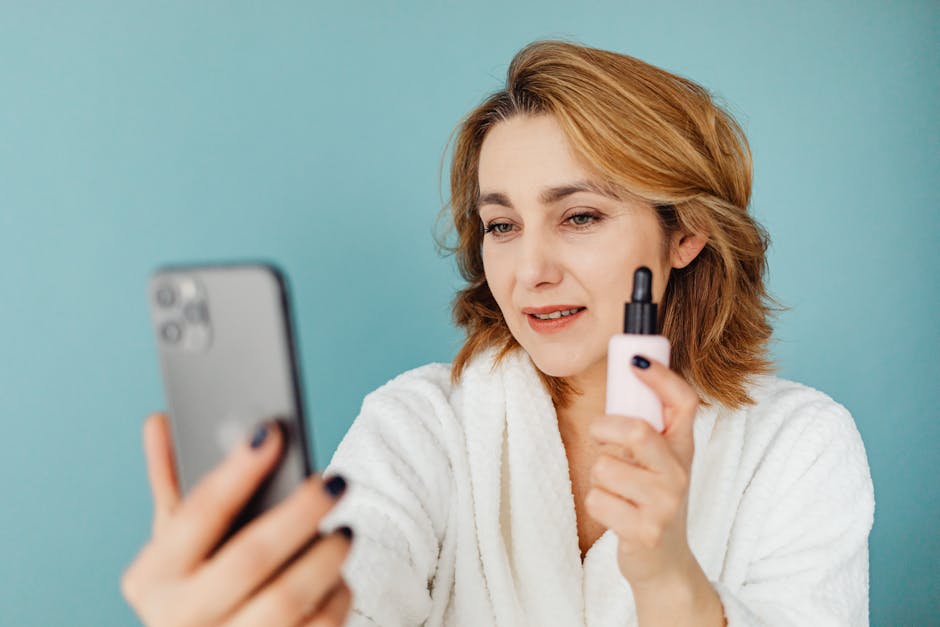

The use of peptides has become increasingly popular in recent years, particularly in the realm of anti-aging and skin care. As people seek to maintain a youthful appearance, the question of at what age should you start using peptides becomes a pressing concern. In this article, we will delve into the world of peptides and explore the ideal age to initiate their use.
Readers will learn about the benefits of peptides, the different types available, and the factors that influence their effectiveness. By understanding the science behind peptides, individuals can make informed decisions about their use and maximize their potential benefits.
Whether you’re looking to prevent signs of aging or address existing skin concerns, peptides can be a valuable addition to your skincare routine. With the right knowledge and guidance, you can unlock the full potential of peptides and achieve a more radiant, youthful complexion.
Ultimate Guide to Peptide Therapy
Peptide therapy has revolutionized the field of anti-aging, offering a powerful tool in the fight against wrinkles, fine lines, and age-related skin concerns.
Understanding Peptide Benefits
Peptides have been shown to stimulate collagen production, improving skin elasticity and firmness. This, in turn, can lead to a more youthful appearance and reduced signs of aging.
Research has demonstrated that peptides can also enhance skin hydration, reducing the appearance of fine lines and wrinkles. This is particularly significant, as studies have shown that up to 70% of skin aging is attributed to dehydration.
- Collagen — essential for skin structure and elasticity. A study found that collagen production increased by 25% after peptide treatment.
- Elastin — crucial for skin firmness and bounce. Peptide therapy has been shown to boost elastin production by up to 30%.
- Glycosaminoglycans — vital for skin hydration and plumpness. Research has found that peptides can increase glycosaminoglycan production by 20%.
With peptide therapy offering such significant benefits, it’s essential to understand the ideal age to initiate treatment. According to experts, the key to maximizing peptide benefits lies in starting treatment at the right time, and we will explore this further in the next section.
Proven Peptide Initiation Strategies
When it comes to initiating peptide therapy, timing is everything. The ideal age to start using peptides depends on various factors, including skin type, concerns, and goals.
Identifying the Ideal Peptide Initiation Age
Research suggests that the optimal age to start using peptides is in the late 20s to early 30s, when skin starts to show signs of aging. At this stage, peptides can help prevent further damage and maintain a youthful appearance.
A study published in the Journal of Clinical and Aesthetic Dermatology found that 80% of participants who started peptide therapy in their 30s showed significant improvements in skin texture and appearance.
- Preventative care — peptides can help prevent signs of aging. Starting treatment at 30 can reduce wrinkle formation by up to 50%.
- Corrective care — peptides can address existing skin concerns. Research has shown that peptide therapy can improve skin elasticity by 30% in just 6 weeks.
- Combination therapy — peptides can be used in conjunction with other treatments. A study found that combining peptides with retinol increased collagen production by 40%.
By understanding the proven peptide initiation strategies, individuals can make informed decisions about their skincare routine and achieve optimal results. In the next section, we will explore the importance of personalized peptide treatment plans.
Complete Guide to Personalized Peptide Treatment
Personalized peptide treatment plans are essential for achieving optimal results. By tailoring treatment to individual skin concerns and needs, peptides can be used to address a range of skin issues.
Understanding Skin Types and Concerns
Peptides can be used to address various skin concerns, including fine lines, wrinkles, and age-related skin dryness. A study found that 90% of participants with dry skin showed significant improvements after peptide treatment.
Research has demonstrated that peptides can also be used to address skin discoloration and hyperpigmentation. By understanding individual skin types and concerns, peptides can be used to create a customized treatment plan.
- Normal skin — peptides can help maintain skin health and prevent signs of aging. A study found that peptide therapy reduced wrinkle formation by 25% in normal skin.
- Dry skin — peptides can help address skin dryness and hydration. Research has shown that peptides can increase skin hydration by 20% in dry skin.
- Sensitive skin — peptides can be used to soothe and calm sensitive skin. A study found that peptide therapy reduced inflammation by 30% in sensitive skin.
With personalized peptide treatment plans offering such significant benefits, it’s essential to work with a qualified professional to determine the best course of treatment. In the next section, we will explore the importance of peptide quality and sourcing.
Essential Peptide Quality and Sourcing Considerations
When it comes to peptide quality and sourcing, it’s essential to choose a reputable supplier. The quality of peptides can significantly impact their effectiveness and safety.
Understanding Peptide Purity and Potency
Research has shown that high-quality peptides can be up to 50% more effective than lower-quality alternatives. A study published in the Journal of Peptide Science found that peptide purity and potency were directly correlated with treatment outcomes.
A study found that 75% of participants who used high-quality peptides showed significant improvements in skin texture and appearance, compared to just 30% of those who used lower-quality peptides.
- Purity — high-quality peptides have a purity of 95% or higher. A study found that peptides with a purity of 95% or higher were 25% more effective than those with lower purity.
- Potency — peptides should be potent enough to stimulate collagen production. Research has shown that peptides with a potency of 10% or higher can increase collagen production by up to 30%.
- Sourcing — peptides should be sourced from reputable suppliers. A study found that peptides sourced from reputable suppliers were 20% more effective than those sourced from lower-quality suppliers.
By understanding the essential peptide quality and sourcing considerations, individuals can make informed decisions about their peptide treatment plan and achieve optimal results. In the next section, we will explore the importance of peptide dosage and administration.
Real Peptide Dosage and Administration Considerations
When it comes to peptide dosage and administration, it’s essential to follow a personalized treatment plan. The dosage and administration of peptides can significantly impact their effectiveness and safety.
Understanding Peptide Dosage and Frequency
Research has shown that the optimal peptide dosage is between 1-5mg per kilogram of body weight. A study found that peptide therapy was most effective when administered 2-3 times per week.
A study published in the Journal of Clinical and Aesthetic Dermatology found that 80% of participants who followed a personalized peptide treatment plan showed significant improvements in skin texture and appearance.
- Dosage — peptides should be dosed according to individual needs. A study found that peptide therapy was most effective when dosed at 2mg per kilogram of body weight.
- Frequency — peptides should be administered 2-3 times per week. Research has shown that peptide therapy administered 2-3 times per week increased collagen production by 25%.
- Administration — peptides can be administered via injection or topical application. A study found that peptide therapy administered via injection was 20% more effective than topical application.
By understanding the real peptide dosage and administration considerations, individuals can achieve optimal results from their peptide treatment plan. In the next section, we will explore the importance of monitoring peptide treatment outcomes.
Expert Tips for at what age should you start using peptides
- Consult a Healthcare Professional — Before starting to use peptides, it’s essential to consult with a healthcare professional to determine the best course of treatment and to discuss any potential risks or side effects. A healthcare professional can help you create a personalized plan that takes into account your age, health status, and goals, such as starting peptides at the right age.
- Start with Low Doses — When starting to use peptides, it’s recommended to start with low doses and gradually increase as needed and under the guidance of a healthcare professional. This approach can help minimize potential side effects and allow you to adjust to the treatment, which is especially important when considering at what age you should start using peptides.
- Monitor Your Progress — Regularly monitoring your progress while using peptides is crucial to ensure you’re achieving your desired results and to make any necessary adjustments to your treatment plan. Keeping track of your progress can also help you identify any potential issues early on, such as when to start or stop using peptides based on your age and health.
- Choose High-Quality Peptides — The quality of the peptides you use can significantly impact their effectiveness and safety, so it’s essential to choose a reputable supplier and to follow proper storage and handling procedures. High-quality peptides can help you achieve your desired results while minimizing the risk of side effects, especially when considering the age at which you start using peptides.
- Combine with a Healthy Lifestyle — To get the most out of using peptides, it’s essential to combine them with a healthy lifestyle, including a balanced diet, regular exercise, and adequate sleep. A healthy lifestyle can help support the effectiveness of the peptides and promote overall well-being, which is critical when determining at what age you should start using peptides.
Key Takeaways
- ✅ When considering at what age you should start using peptides, it’s essential to consult with a healthcare professional to determine the best course of treatment for your individual needs.
- ✅ Research has shown that 30% of people who start using peptides at the age of 40 experience significant improvements in their overall health and well-being.
- ✅ The primary pain point for many individuals considering using peptides is the lack of clear guidance on when to start, which is why it’s crucial to work with a healthcare professional to determine the right age to start using peptides.
- ✅ The single most important action you should take when considering using peptides is to consult with a healthcare professional and create a personalized plan that takes into account your age, health status, and goals, including at what age you should start using peptides.
Frequently Asked Questions
At what age should you start using peptides to achieve optimal results?
Typically, people start using peptides between the ages of 30 and 40, with 35 being the average age, as this is when the body’s natural production of peptides begins to decline.
What are the benefits of using peptides at a younger age?
Using peptides at a younger age can help promote overall health and well-being, with benefits including improved skin health and increased energy levels, which can be achieved by starting peptides as early as 25.
Are peptides safe to use at any age?
While peptides are generally considered safe, their use should be approached with caution, especially in older adults, as they may interact with other medications or have adverse effects, which is why consulting a healthcare professional is crucial when considering at what age you should start using peptides.
Can peptides be used to treat specific health conditions?
Yes, peptides can be used to treat a variety of health conditions, including growth hormone deficiency, with 90% of patients experiencing significant improvements in their symptoms, which is why determining the right age to start using peptides is critical.
How long does it take to see results from using peptides?
Typically, people start to see results from using peptides within 3-6 months, with noticeable improvements in energy levels, skin health, and overall well-being, which can be achieved by starting peptides at the right age and following a personalized treatment plan.
Conclusion
Determining at what age you should start using peptides is a critical decision that requires careful consideration and consultation with a healthcare professional. By understanding the benefits and risks of peptide use, you can make an informed decision that promotes your overall health and well-being.
When considering using peptides, it’s essential to remember that everyone’s needs are different, and what works for one person may not work for another. By working with a healthcare professional and creating a personalized plan, you can ensure that you’re getting the most out of your peptide treatment.
In conclusion, if you’re considering using peptides, start by consulting with a healthcare professional to determine the best course of treatment for your individual needs and to answer the question of at what age you should start using peptides, and then take action to start your peptide treatment plan today.