

Wear gloves, lab coat, eye protection, and a respirator when needed for peptide handling.
I have worked in labs that synthesize and test peptides for years. I know the small size and varied activity of peptides make Personal Protective Equipment (PPE) for Peptide Handling essential. This guide explains what PPE to use, why each item matters, how to choose and care for gear, and practical tips I learned the hard way. Read on to get clear, usable steps you can apply right away.
Why Personal Protective Equipment (PPE) for Peptide Handling matters
Peptides can be bioactive and sometimes irritant. Even tiny amounts can cause skin or respiratory exposure. Personal Protective Equipment (PPE) for Peptide Handling reduces contact and lowers health risks. Good PPE also protects experiments from contamination and preserves product quality.
Labs and facilities often pair PPE with engineering controls and SOPs. Regulations and best practices call for risk-based PPE selection. Use PPE as part of a layered safety plan, not as the only control.

Source: safetyemporium.com
Types of Personal Protective Equipment (PPE) for Peptide Handling
Gloves
- Nitrile gloves for routine handling and solvent resistance.
- Double-gloving when weighing powders or working with bioactive peptides.
- Change gloves often and inspect for tears.
Lab coats and gowns
- Disposable or reusable lab coats with closed fronts protect clothing and skin.
- Impermeable sleeves or aprons for work with solvents or wet processes.
- Use dedicated coats for peptide work to prevent cross-contamination.
Eye and face protection
- Safety glasses for splash risk.
- Face shields when mixing or using pressurized systems.
- Goggles provide better seal against fine aerosols.
Respiratory protection
- N95 or P100 respirators for dusty peptide powders or aerosols.
- Powered air-purifying respirators for frequent exposure or high-risk processes.
- Respirators must be fit-tested and used with a proper program.
Footwear and other protection
- Closed-toe, chemical-resistant shoes.
- Hair nets, sleeves, and disposable caps when sterility matters.
Personal Protective Equipment (PPE) for Peptide Handling includes these items and should match task risk and exposure.

Source: henryschein.com
How to select and fit Personal Protective Equipment (PPE) for Peptide Handling
Perform a simple risk assessment first. Identify peptide form (powder, solution), dose, and routes of exposure. Select PPE that protects the highest risk route.
Fit matters
- Test glove fit; ensure dexterity for precise work.
- Check respirator seal with a user seal check.
- Ensure lab coat sleeves and cuffs do not trap powders.
Material and compatibility
- Confirm glove and coat materials resist solvents or reagents in use.
- Choose disposable items when cross-contamination or sterility is critical.
- Review manufacturer breakthrough times for hazardous solvents.
Personal Protective Equipment (PPE) for Peptide Handling is effective only when it fits and matches the hazards.
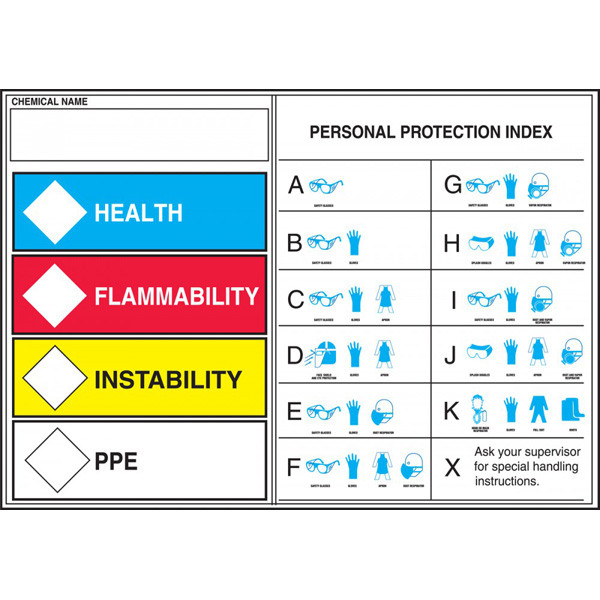
Source: safetyemporium.com
Donning, doffing, disposal, and decontamination practices
Donning steps
- Wash hands before putting on PPE.
- Put on lab coat, respirator, eye protection, and gloves in that order.
- Keep a clean zone for donning and a dirty zone for doffing.
Doffing steps
- Remove gloves first to avoid contaminating other gear.
- Then remove gown and eye protection, and perform hand hygiene.
- Dispose of single-use PPE in labeled waste containers.
Decontamination and disposal
- Wipe surfaces with an appropriate disinfectant after peptide handling.
- Autoclave or chemically decontaminate reusable gowns if policy allows.
- Follow local hazardous waste rules for peptide-contaminated items.
Well-practiced donning and doffing reduces self-exposure and keeps areas clean. Practice until the steps are fluid.

Source: safetyemporium.com
Engineering controls and administrative measures that complement PPE
Use PPE alongside other controls. A lab hood or containment cabinet reduces airborne risk. Local exhaust ventilation helps when weighing powders.
Administrative controls
- Limit who handles peptides and restrict access to trained personnel.
- Use SOPs and signage that define required Personal Protective Equipment (PPE) for Peptide Handling.
- Provide training and periodic audits to ensure compliance.
Combine PPE with controls to form a strong safety system. PPE is the last line of defense, not the only one.

Source: ebay.com
Training, documentation, and SOPs for Personal Protective Equipment (PPE) for Peptide Handling
Training essentials
- Teach why each PPE item is used and when to replace it.
- Include hands-on practice for respirator use and glove removal.
- Use real scenarios from your lab to make training relevant.
Documentation and SOPs
- Keep SOPs short and task-focused.
- Record fit tests, training completions, and incident reports.
- Update SOPs when processes or peptides change.
A clear training program builds confidence and reduces mistakes in everyday work.

Source: safetyemporium.com
Common mistakes, lessons learned, and practical tips
Mistake 1: Skipping fit checks
- I once saw a respirator worn loosely during powder work. The user inhaled fine dust. Never skip the seal check.
Mistake 2: Reusing disposable gloves
- Reused gloves can become contaminated. Change gloves after spills or every 30–60 minutes when handling powders.
Tip: Keep a peel-off outer glove
- Use a second glove that you can remove after weighing. It keeps analytical balances clean.
Tip: Pre-label waste bags
- Label bags for contaminated PPE to avoid cross-contamination in waste handling.
From my experience, small habits prevent big problems. Personal Protective Equipment (PPE) for Peptide Handling is only useful if people use it correctly every time.

Source: vwr.com
Frequently Asked Questions of Personal Protective Equipment (PPE) for Peptide Handling
What PPE is required for handling peptide powders?
For powders, wear gloves, safety glasses, a lab coat, and a respirator if dust is generated. Use double gloves and work inside a hood for extra protection.
Can regular nitrile gloves protect against all peptide exposures?
Nitrile gloves protect against many peptides and solvents, but not all. Check chemical compatibility and use double-gloving for high-risk tasks.
Do I need a respirator for peptide solutions?
Respirators are usually not needed for closed liquid work. Use them if aerosols, sprays, or volatile solvents are possible.
How often should PPE be replaced?
Replace disposable PPE after spills or visible contamination and routinely by task frequency. Reusable items should follow cleaning schedules in your SOPs.
Is PPE enough to prevent contamination of peptide samples?
PPE helps but does not guarantee sterility or purity. Combine PPE with clean techniques, dedicated equipment, and engineering controls for best results.
Conclusion
Good Personal Protective Equipment (PPE) for Peptide Handling keeps people safe and protects data. Match PPE to the hazard, train teams well, and pair gear with engineering and administrative controls. Start by doing a simple risk check and update your SOPs to reflect real tasks. Take action today: review your PPE stock, run a short fit-check drill, and make one change to improve safety in your lab. Leave a comment with your experience or subscribe to get more practical lab safety tips.