
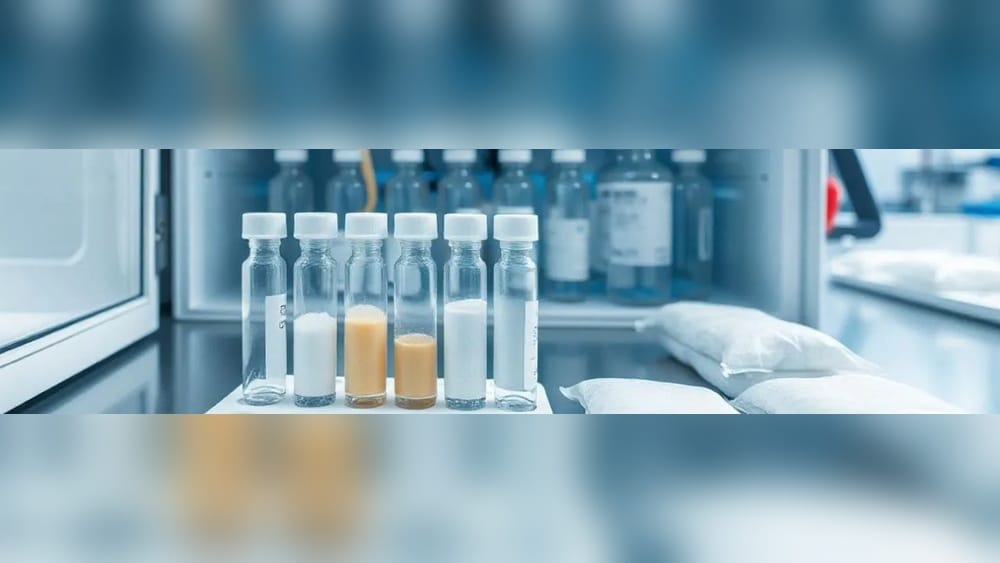

For most laboratories, amber Type I borosilicate glass vials are the strongest overall choice for dry and light sensitive peptides. Protein low binding polypropylene tubes are often better for small liquid aliquots, especially when the concentration is low. Temperature rated amber polypropylene cryovials can also work well for frozen solutions.
However, no single container is perfect for every peptide. The correct choice depends on whether the peptide is dry or dissolved, how sensitive it is to light, the storage temperature, the solvent, and the length of storage. Peptide stability can also vary with the amino acid sequence. Supplier instructions, the certificate of analysis, and your laboratory procedure should always co:contentReference[oaicite:2]{index=2}
Quick Comparison of Peptide Storage Containers
| Container Type | Best Use | Main Benefit | Main Limitation |
|---|---|---|---|
| Amber Type I borosilicate glass vial | Dry peptides and light sensitive samples | Strong light protection and chemical resistance | May break and may allow adsorption in very dilute solutions |
| Protein low binding polypropylene tube | Small liquid aliquots and low concentration samples | Helps reduce peptide loss on the container wall | Usually needs an opaque box for light protection |
| Amber polypropylene cryovial | Frozen liquid aliquots | Lightweight, durable, and suitable for cold storage when rated | Material and solvent compatibility must be checked |
| Clear Type I glass vial with opaque secondary storage | Samples that need visual inspection | Allows the researcher to inspect the sample | Light protection depends on the outer box or covering |
| Sealed amber glass ampoule | Validated single use storage | Strong seal with very little repeated air exposure | Needs safe opening and professional sealing methods |
Why Does the Container Matter?
A freezer cannot solve every storage problem. It controls temperature, but it does not automatically block light, remove moisture, stop oxygen, or prevent the peptide from attaching to the container wall.
The storage container forms the first barrier around the sample. Its material, colour, size, closure, and temperature rating all matter.
Light Can Damage Sensitive Samples
Some peptides and related biological materials can experience light driven changes. Bright laboratory lighting, sunlight, and ultraviolet light may speed up unwanted reactions in sensitive samples.
Amber pharmaceutical glass is designed to reduce the transmission of ultraviolet light and some short wavelength visible light. Modern amber Type I borosilicate vials are made for light sensitive pharmaceutical and biological materials. Some products also meet recognised pharmacopoeia requirements for light tran:contentReference[oaicite:4]{index=4}
This does not mean every peptide will quickly fail inside a clear vial. It means amber storage provides an extra layer of protection when light sensitivity is known or uncertain.
Peptides Can Stick to Container Walls
Peptides do not always remain freely suspended in a solution. Some can attach to plastic or glass surfaces. This process is known as adsorption.
Surface loss becomes more important when the sample has a low concentration or a very small volume. Losing a tiny amount from a concentrated stock may have little effect. Losing the same amount from a dilute working sample may change the entire experiment.
Protein low binding tubes are designed to reduce this problem. Eppendorf identifies its Protein LoBind tubes for the preparation and storage of protein, peptide, antibody, and virus samples. Its application testing also found higher sample recovery than standard materials under the tested co:contentReference[oaicite:6]{index=6}
Moisture Can Affect Dry Peptides
Many freeze dried peptides attract moisture from the air. Opening a cold vial in a warm room may cause water to collect inside it, much like mist forming on a cold window.
Bachem advises allowing a peptide container to reach room temperature before opening it. The company also recommends opening the container briefly, taking the required amount, and resealing it tightly. This helps reduce moisture absorption and unnecessary :contentReference[oaicite:8]{index=8}
Oxygen Can Affect Certain Sequences
Peptides containing residues such as cysteine, methionine, or tryptophan may need greater protection from oxidation. The exact risk depends on the sequence, formulation, storage condition, and length of exposure.
A tightly sealed container limits the movement of outside air and moisture. For highly sensitive material, researchers may also need a validated low oxygen storage process. Such decisions should follow the peptide supplier’s instructions and an approved laboratory p:contentReference[oaicite:10]{index=10}
Top Containers for Storing Research Peptides
1. Amber Type I Borosilicate Glass Vials
Amber Type I borosilicate glass is usually the best overall container for dry, freeze dried, and light sensitive research peptides.
Type I borosilicate glass has strong chemical resistance. Amber versions also reduce ultraviolet light exposure. This combination makes the material useful when the laboratory wants both chemical stability and light protection.
SCHOTT Pharma states that its amber borosilicate vials protect sensitive biological materials from ultraviolet and short wavelength visible light. DWK also describes amber borosilicate laboratory glass as a light protective option that meets recognised pharmaceutical glass requ:contentReference[oaicite:12]{index=12}
Amber glass is especially useful for:
- Freeze dried peptides
- Peptides that must remain protected from bright light
- Longer storage periods
- Samples stored in dry conditions
- Solvents that are compatible with borosilicate glass
The closure is as important as the vial. A strong glass vial with a loose cap is like a locked door beside an open window. Choose a cap, stopper, or seal that is made for the vial and the expected storage temperature.
Container closure integrity helps prevent air, moisture, and microorganisms from entering through small gaps. Pharmaceutical container guidance therefore treats the vial and its closure as one complet:contentReference[oaicite:14]{index=14}
2. Protein Low Binding Polypropylene Tubes
Protein low binding polypropylene tubes are often the best choice for dissolved peptides stored in small aliquots.
Standard plastic tubes can hold onto part of a biological sample. Low binding tubes use selected materials or surface technology to reduce that loss. They are particularly helpful for low concentration peptides, analytical samples, and small working volumes.
These tubes are suitable for:
- Small liquid aliquots
- Low concentration solutions
- Short experimental workflows
- Samples used in sensitive measurements
- Situations where sample recovery is important
Many low binding tubes are clear or partly clear. Place them in an opaque freezer box or another light blocking secondary container when light exposure is a concern. A black storage box made for light sensitive samples can add another useful:contentReference[oaicite:16]{index=16}
Do not assume every tube carrying the words low binding will perform in the same way. Review the manufacturer’s data, temperature range, closure design, and chemical compatibility before choosing one.
3. Amber Polypropylene Cryovials
Amber polypropylene cryovials combine the durability of plastic with added light protection. They can be a practical choice for frozen peptide solutions when the vial is rated for the planned temperature.
Polypropylene cryovials are less likely to shatter during ordinary handling than glass. Certain laboratory cryovials are made to withstand very low temperatures. Corning, for example, lists polypropylene cryogenic vials designed for temperatures down to minus 196 degrees Celsius, though users must still follow the stated storage method and safety inst:contentReference[oaicite:18]{index=18}
These vials are useful for:
- Single use frozen aliquots
- Samples stored at minus 20 degrees Celsius
- Samples stored at minus 80 degrees Celsius
- Laboratories where glass breakage is a concern
- Frequent movement between freezers and work areas
Check that the vial is suitable for the solvent in the peptide solution. Also confirm that the cap and seal remain secure at the intended temperature. Not every plastic vial is a cryovial, and not every cryovial is designed for every storage condition.
4. Clear Type I Glass Vials With Opaque Secondary Protection
Clear borosilicate glass may be useful when researchers need to inspect the colour, clarity, precipitation, or physical condition of a sample.
However, clear glass provides less protection from light than amber glass. When using clear vials, store them inside a solid opaque box, closed cabinet, or validated light protective sleeve.
This method can work when:
- The sample needs regular visual inspection
- The peptide is not strongly light sensitive
- The vial stays inside dark secondary storage
- Exposure during handling remains brief
An outer box should be treated as extra protection, not as a repair for a weak seal or damaged vial.
5. Sealed Amber Glass Ampoules
Amber glass ampoules may suit validated single use storage systems. Once properly sealed, an ampoule can limit repeated contact with outside air and moisture.
Type I borosilicate ampoules are available in clear and amber forms. Amber options add protection for light sensitive :contentReference[oaicite:20]{index=20}
Ampoules are not the easiest choice for everyday laboratory use. They need suitable filling and sealing equipment. Opening them also creates broken glass, so trained handling and safe disposal are essential.
They are more suitable for organised laboratories with a validated process than for casual sample storage.
How to Choose the Right Peptide Container
Before buying a container, answer a few basic questions.
Is the Peptide Dry or in Solution?
A dry, freeze dried peptide is commonly kept in a tightly sealed glass vial. A dissolved peptide may benefit from a low binding polypropylene tube, especially when stored in small portions.
Manufacturers generally advise keeping peptides in dry form when possible because many peptide solutions have a shorter useful storag:contentReference[oaicite:22]{index=22}
Is the Peptide Sensitive to Light?
Use amber glass, amber plastic, or a validated opaque storage system when the supplier says the peptide is light sensitive. When sensitivity is unknown, reducing unnecessary light exposure is a sensible precaution.
What Temperature Will You Use?
Read the container’s stated temperature range. A tube that works in a refrigerator may crack, leak, or lose sealing strength in an ultracold freezer.
For longer storage, many peptide suppliers recommend keeping freeze dried peptides below minus 15 or around minus 20 degrees Celsius. Peptide solutions are usually divided into portions and frozen according to sequence specific :contentReference[oaicite:24]{index=24}
How Much Sample Is in Each Container?
A huge vial is not always better. Large empty space inside the container can leave more room for air. It may also force the user to open the same stock many times.
Choose a vial size that matches the sample volume. Small single use portions often reduce repeated opening and repeated freezing.
Could the Sample Bind to the Surface?
When working with low concentration peptide solutions, select a container with published low binding performance. This can improve sample recovery and reduce unexpected changes in concentration.
Is the Closure Secure?
Look for a cap or stopper that closes evenly and remains secure during freezing, thawing, movement, and storage. A damaged thread, worn seal, or mismatched cap can expose the sample even when the vial itself is suitable.
Simple Storage Process for Research Peptides
Let a Cold Vial Warm Before Opening
Keep the vial closed while it reaches room temperature. This helps reduce condensation inside the container.
Open the Main Stock as Few Times as Possible
Repeated opening brings fresh air and moisture into the container. Prepare suitable portions when the peptide and laboratory procedure allow it.
Use Single Experiment Aliquots
Store enough material in each tube for one experiment or one planned group of tests. This reduces repeated freeze and thaw cycles.
GenScript and Bachem both advise dividing peptide solutions into aliquots and avoiding repeated freezing and thawing because these cycles may reduce s:contentReference[oaicite:26]{index=26}
Label Every Container Clearly
Include the peptide name or laboratory code, concentration, solvent, preparation date, storage temperature, and responsible researcher. Add a light sensitive label when needed.
Use labels and ink that remain readable at the planned storage temperature.
Use Secondary Light Protection
Even amber vials should not sit under strong light without a reason. Store them inside a closed freezer box, opaque bag, or suitable cabinet.
Record Every Storage Change
Write down when a vial was opened, moved, thawed, or returned to storage. A simple record can explain unexpected results later.
Common Peptide Storage Mistakes
Using Clear Household Containers
Food jars, cosmetic bottles, and ordinary plastic containers are not designed for controlled laboratory storage. Their materials, seals, cleanliness, and chemical compatibility may be unknown.
Keeping Everything in One Large Vial
Opening the same container for every experiment increases exposure to moisture, air, and temperature changes.
Ignoring Surface Adsorption
A sample may look normal while part of the peptide remains attached to the wall. This is especially important with dilute solutions.
Wrapping a Poor Container in Foil
Foil can reduce light exposure, but it cannot repair a leaking cap, unsuitable plastic, or damaged vial. It should only act as secondary protection.
Opening the Vial While It Is Still Cold
This may encourage condensation and moisture entry. Let the sealed container reach the required handling temperature first.
Repeating Freeze and Thaw Cycles
Repeated temperature changes can reduce stability. Aliquoting usually offers better control than returning one large stock to the freezer again and again.
Assuming Every Peptide Has the Same Storage Needs
Sequence, concentration, solvent, pH, purity, and formulation can all affect stability. General guidance is useful, but it cannot replace product specific instructions.
What Should You Look for When Buying Containers?
- Type I borosilicate glass for strong chemical resistance
- Amber material for light sensitive samples
- Published low binding performance for dilute solutions
- A temperature rating that covers your storage condition
- A secure cap, stopper, or seal
- Low extractable material where relevant
- A suitable size for single use portions
- A clear writing area or freezer safe label surface
- Compatibility with the selected solvent
- Documentation from a recognised laboratory supplier
Important Research and Safety Note
Research peptides should be handled only by trained people in suitable laboratory settings. A storage container does not confirm the identity, purity, sterility, safety, or legal status of its contents.
Products labelled for research use are not automatically suitable for use in people or animals. Follow your institution’s rules, the supplier’s safety data, the certificate of analysis, and all applicable laws. When a peptide is part of an approved clinical or animal research study, use the storage and handling procedure authorised for that study.
Conclusion
The best container for storing research peptides depends on the form of the sample and the main risk you need to control. Amber Type I borosilicate glass vials are usually the best overall choice for dry and light sensitive peptides. Protein low binding polypropylene tubes are often better for small or dilute liquid aliquots. Amber temperature rated cryovials provide a durable option for frozen solutions.
Still, the container is only one part of good storage. A suitable temperature, tight closure, careful labelling, limited light exposure, dry handling, and fewer freeze and thaw cycles all work together. Think of the system as a chain. The sample is only as protected as its weakest link.
Frequently Asked Questions
What is the best container for storing research peptides?
Amber Type I borosilicate glass vials are often the best overall choice for dry and light sensitive research peptides. They provide chemical resistance and help block ultraviolet light. Dissolved peptides at low concentration may be better stored in protein low binding polypropylene tubes.
Should research peptides be stored in glass or plastic?
Glass is often preferred for dry peptides and samples requiring strong light protection. Low binding polypropylene is useful for small liquid portions where adsorption and sample recovery are concerns. The peptide form, solvent, temperature, and supplier instructions should guide the final choice.
Why are amber vials used for peptide storage?
Amber vials reduce exposure to ultraviolet light and certain short wavelengths of visible light. This helps protect samples that may experience light driven degradation.
Can research peptides be stored in clear vials?
Clear vials may be used when the peptide is not light sensitive and visual inspection is important. They should still be kept inside an opaque box or cabinet when unnecessary light exposure could affect the sample.
Are ordinary polypropylene tubes safe for peptide storage?
Some polypropylene tubes are suitable, but standard tubes may allow part of a dilute peptide sample to bind to the wall. Protein low binding tubes are usually a better choice when sample recovery is important.
Can peptides be stored in plastic dropper bottles?
Ordinary dropper bottles are generally a poor choice. Their plastic type, seal quality, cleanliness, temperature rating, and chemical compatibility may be unclear. Use laboratory containers with published specifications.
Do amber peptide vials need an opaque storage box?
Amber vials already reduce light transmission, but an opaque box adds further protection. It also keeps samples organised and limits light exposure when the freezer or cabinet is opened.
How can freeze and thaw damage be reduced?
Divide the peptide into portions sized for one experiment or one working session. This allows each portion to be thawed once while the remaining samples stay frozen.
Should a frozen peptide vial be opened immediately?
No. Keep the vial closed until it reaches the required handling temperature. Opening a cold vial too early may allow moisture to condense inside it.
How should peptide containers be labelled?
Include the peptide name or code, concentration, solvent, preparation date, storage temperature, and responsible researcher. Add a light sensitive warning when required.
Does an amber vial guarantee peptide stability?
No. Amber glass mainly reduces light exposure. Peptide stability also depends on temperature, moisture, oxygen, sequence, solvent, concentration, closure quality, and handling history.
Can aluminium foil replace an amber vial?
Foil can provide secondary light protection, but it does not replace a suitable laboratory vial. It cannot prevent leaks, surface binding, contamination, or chemical interaction with an unsuitable container.
FAQ Structured Data
References
- Bachem. Handling and Storage Guidelines for Peptides. Guidance on dry storage, moisture control, temperature, and peptide :contentReference[oaicite:28]{index=28}
- Bachem. Care and Handling of Peptides. Guidance on storage temperature, oxidation, aliquoting, and solution:contentReference[oaicite:30]{index=30}
- GenScript. Peptide Storage and Handling Guidelines. Guidance on light protection, storage temperature, oxidation, and freeze and tha:contentReference[oaicite:32]{index=32}
- GenScript. Peptide Solubility and Stability Guidelines. Information on dry peptides, frozen solutions, and sequence related o:contentReference[oaicite:34]{index=34}
- SCHOTT Pharma. EVERIC Amber Vials. Technical information about amber Type I borosilicate glass and light transmission pr:contentReference[oaicite:36]{index=36}
- DWK Life Sciences. DURAN Amber Laboratory Bottles. Information about Type I borosilicate glass, ultraviolet protection, and pharmaceutical glass s:contentReference[oaicite:38]{index=38}
- Eppendorf. Protein LoBind Tubes and Plates Instructions. Information about containers designed for peptide and protein preparation and:contentReference[oaicite:40]{index=40}
- Eppendorf. Evaluation of Protein Recovery in Protein LoBind Tubes. Application testing concerning surface adsorption and sample :contentReference[oaicite:42]{index=42}
- Corning. Cell Culture Product Selection Guide. Technical temperature and closure information for polypropylene cryogen:contentReference[oaicite:44]{index=44}
- SCHOTT Pharma. Container Closure Integrity Testing. Explanation of how closure systems protect products from moisture, air, and conta:contentReference[oaicite:46]{index=46}