
Moisture Exposure: Hidden Risks For Peptide Stability
peptides are powerful tools in medicine, research, and cosmetics. These small chains of amino acids do important jobs, from fighting diseases to building new skin. But what many people do not see is how sensitive peptides are to their environment. Even a small change, like too much moisture, can damage them. This is a quiet problem in many labs, hospitals, and factories. If you want your peptides to work well and stay safe, understanding moisture exposure is not just helpful—it is necessary.
This article will show you the hidden risks of moisture for peptide Stability. It will explain why water is a problem, how damage happens, and how you can protect your valuable peptides. By the end, you will see why just keeping things “dry” is not enough, and you will have practical advice to keep your peptides safe.
Why Are Peptides So Sensitive?
peptides are not as tough as they look. Their strength—being small and easy to design—also makes them weak when facing moisture and other threats. Unlike big proteins, peptides have fewer bonds and less structure to hold them together. This means water can break them down or change their shape more easily.
Each peptide is different. Some can handle water better, while others fall apart quickly. The type of amino acids, the way the chain is built, and the chemicals added during making all play a role. But in general, peptides need careful handling to stay stable and useful.
Understanding Moisture: More Than Just Water
When people hear “moisture,” they often think of drops of water or high humidity. But moisture is not just visible water. It is any water vapor or tiny amount of liquid that can come in contact with your peptides. This includes:
- Humidity in the air
- Small drops from cleaning
- Sweat from hands
- Water left in containers
Even small amounts can cause big problems over time. Many peptide failures start with moisture you cannot see. This is why professionals use desiccators or special packaging even in “dry” labs.
How Moisture Damages Peptides
Peptides break down in a few main ways when exposed to moisture. Here are the most important processes:
1. Hydrolysis
Hydrolysis means water breaks the chemical bonds in the peptide chain. This can split the peptide into smaller pieces or even single amino acids. As a result, the peptide loses its function.
Hydrolysis happens faster with high temperatures or if the peptide has certain weak bonds. Some research shows that even at room temperature, moisture can cut a peptide’s life in half within weeks.
2. Aggregation
Sometimes, moisture causes peptides to stick together. This is called aggregation. When peptides clump, they cannot work as they should. Aggregation can block their action in drugs or ruin lab results.
A classic example is with peptides used in vaccines. When exposed to moisture, these peptides may join together, making the vaccine less effective.
3. Deamidation And Oxidation
Moisture can speed up deamidation (removal of certain groups from amino acids) and oxidation (reaction with oxygen). These changes may not break the peptide, but they can change its shape and function.
One study found that a peptide left at 60% humidity for a week lost over 30% of its activity due to these reactions.
4. Microbial Growth
Moisture does not just hurt peptides directly. It also helps microbes grow. Bacteria and fungi love wet environments. If they grow on peptides, they can produce enzymes that break down the peptide or produce toxins. This is a serious problem for peptides used in medicine.
Real-world Examples: When Moisture Ruined Peptides
Many labs have learned the hard way how bad moisture can be. Here are some real cases:
- A clinical trial failed because a peptide-based drug lost half its activity after being stored in a humid warehouse.
- Research labs often report spoiled lyophilized peptides (dried powders) that turned sticky or clumped after a rainy season.
- A cosmetic company had to recall a skin cream because the active peptide broke down, making the product useless.
These examples are not rare. Surveys show that up to 25% of peptide losses in labs are due to unnoticed moisture problems.
Factors That Make Peptides More Vulnerable
Not all peptides are equally at risk. Some things make peptides more likely to break down when exposed to moisture:
Peptide Sequence
Some amino acids, like asparagine and glutamine, are more likely to react with water. Peptides with these amino acids need extra care.
Peptide Length
Shorter peptides often break down faster, as they have fewer connections holding them together.
Formulation Type
A liquid solution is more sensitive than a lyophilized (freeze-dried) powder. But even powders are not safe if moisture sneaks in.
Packaging
Simple plastic bags or vials without seals can let in water vapor. Advanced packaging, like glass ampoules or foil packs, gives better protection.
Storage Conditions
High heat, light, and humidity all speed up peptide damage. Labs in tropical or coastal areas face bigger risks.
Common Mistakes In Peptide Handling
Even trained professionals make errors that expose peptides to moisture. Some common mistakes include:
- Opening peptide containers outside controlled environments.
- Using old or poor-quality desiccants.
- Not resealing containers tightly.
- Letting peptides sit out during weighing or mixing.
- Using wet tools or gloves.
- Storing peptides near sinks or water baths.
Often, people do not notice these mistakes until the peptide is already damaged.
How Moisture Sneaks Into Peptide Storage
It is easy to think that keeping peptides in a closed box or fridge is enough. But moisture is sneaky. Here are some ways it can get in:
- Air leaks in poorly sealed containers.
- Condensation when moving peptides from cold to warm rooms.
- Micro cracks in vials or caps.
- Opening containers too often, letting in humid air.
A study found that peptides stored in standard plastic vials in a humid lab absorbed up to 10% water in just 24 hours.
Data Comparison: Peptide Stability In Different Conditions
To see how much moisture matters, look at this data comparing peptide stability in different humidity levels:
| Condition | Peptide Loss After 1 Week | Peptide Loss After 1 Month |
|---|---|---|
| Low Humidity (<10%) | 2% | 5% |
| Room Humidity (40–60%) | 12% | 35% |
| High Humidity (>75%) | 25% | 60% |
This shows that even “normal” room air can cause serious losses over time.
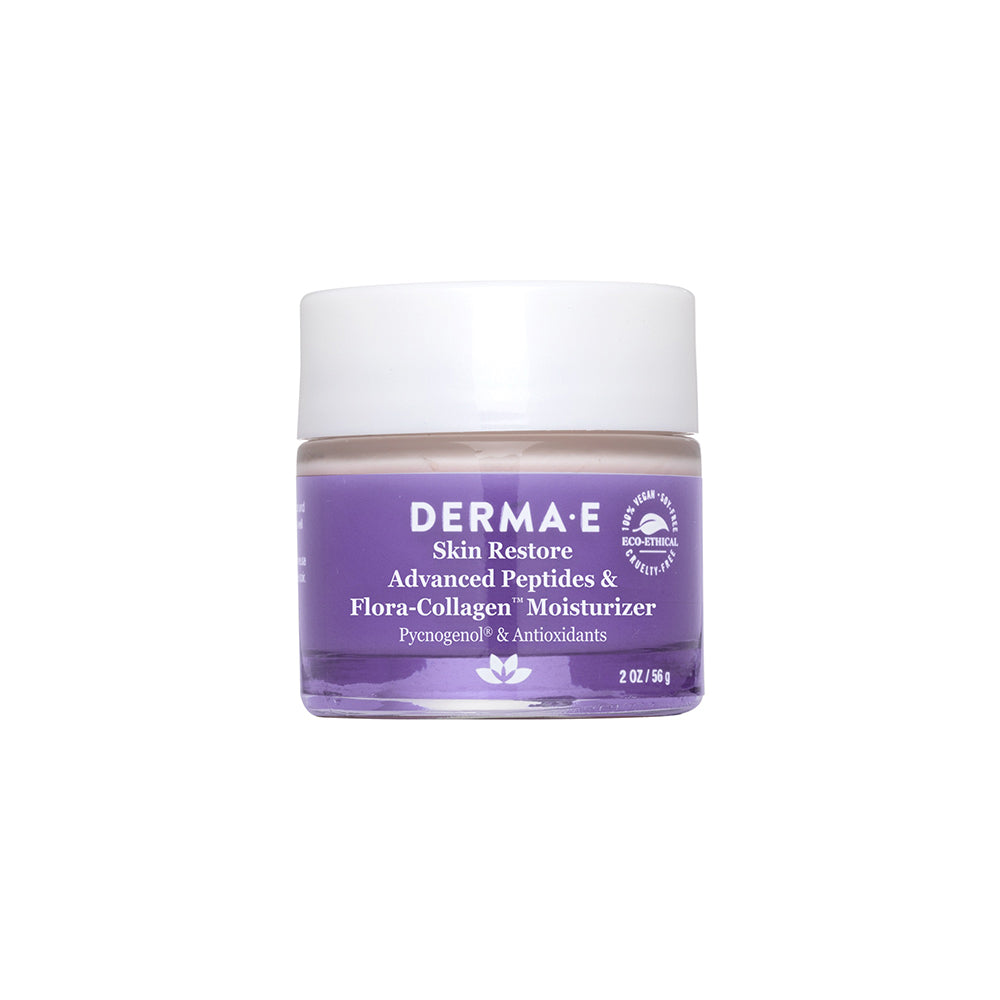
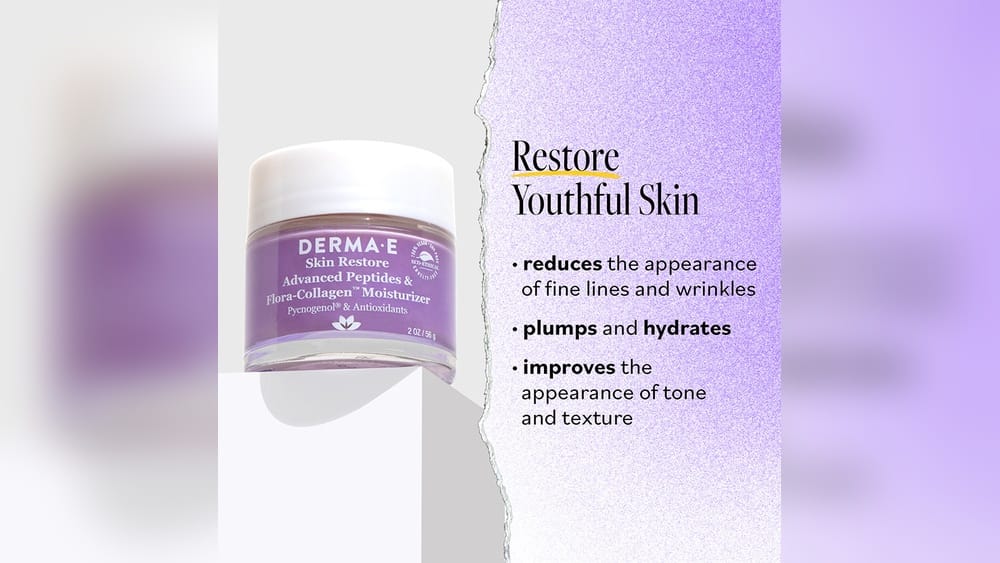
Credit: dermae.com
Practical Ways To Protect Peptides From Moisture
Protecting peptides from moisture is not just about buying expensive equipment. Simple habits and smart choices go a long way.
1. Use Proper Storage Containers
Glass vials with rubber stoppers and sealed ampoules are best. Avoid thin plastics or containers with loose lids.
2. Add Desiccants
Desiccant packs (like silica gel) help absorb any water that sneaks in. Replace them regularly, as they lose power over time.
3. Store In Dry, Cool Places
Choose a dry cabinet or a refrigerator with low humidity. Do not store peptides near windows, sinks, or warm equipment.
4. Handle Quickly And Carefully
Plan your work before opening containers. Only open for a short time. Use dry gloves and tools.
5. Use Controlled Atmosphere
For valuable peptides, use a desiccator or glove box filled with dry gas (like nitrogen or argon).
6. Seal Well After Each Use
Always close vials tightly. If using resealable bags, squeeze out as much air as possible.
7. Monitor Humidity
Use a small hygrometer to check humidity in storage areas. Aim for less than 10% if possible.
Case Study: Good Storage Vs. Bad Storage
Here is a real-life example:
| Storage Method | Visual Appearance After 3 Months | Bioactivity Retained |
|---|---|---|
| Sealed glass vial with desiccant, in fridge | White, free-flowing powder | 95% |
| Open plastic vial, on lab bench | Sticky, clumped mass | 30% |
This shows how much difference good habits can make.
Advanced Solutions: What The Experts Do
For very sensitive or expensive peptides, experts use advanced tools:
- Vacuum sealing: Removes all air and moisture.
- Freeze-drying (lyophilization): Turns peptide into a stable powder.
- Inert gas packaging: Fills container with nitrogen or argon to block water and oxygen.
- Humidity indicator cards: Change color if too much water is present.
Some companies use smart packaging that alerts you when humidity rises. These are expensive, but for million-dollar peptides, they are worth it.
How To Check If Your Peptide Is Damaged
Sometimes, you do not know if moisture has hurt your peptide. Look for these signs:
- Change in color or smell
- Powder becomes sticky or clumps
- Peptide does not dissolve as well as before
- Results in tests or reactions are weaker
For important work, test your peptide with HPLC (high-performance liquid chromatography) or mass spectrometry. If you see new peaks or less product, it may be time to replace the batch.
Credit: resolvemass.ca
Common Myths About Peptide Storage
Many people believe things about peptides that are not true. Here are some common myths:
1. “once Lyophilized, Peptides Are Safe Forever.”
Even dried peptides absorb water from the air.
2. “room Temperature Is Okay For All Peptides.”
Some break down fast even at mild heat and humidity.
3. “moisture Only Matters For Liquid Peptides.”
Powders are also at risk, especially in humid climates.
4. “a Little Water Is Not A Big Deal.”
Even 1–2% water can cause big changes over time.
5. “desiccant Packs Last Forever.”
They need regular replacing, or they stop working.
Regulatory And Industry Guidelines
Official groups like the FDA and World Health Organization (WHO) have strict rules for how to store peptides, especially for drugs. These include:
- Keeping humidity below 20% for most peptides
- Storing at 2–8°C unless otherwise stated
- Using tamper-evident, airtight packaging
- Regular testing for peptide stability
Companies that do not follow these rules risk failed inspections, product recalls, or even patient harm. For more details, the World Health Organization offers guidance on peptide storage.

Credit: communities.springernature.com
Non-obvious Insights For Beginners
Many beginners think they are being careful, but they miss some key points:
- Moisture damage is often invisible. Peptides can look fine but still be less active.
- Moisture can come from plastic tools. Pipette tips, weighing boats, or gloves can all hold water if not stored dry.
- Shipping is a high-risk moment. Peptides can get wet during transport, especially in hot or rainy weather.
- Humidity changes matter. Moving peptides from a cold fridge to a warm room causes condensation inside containers.
If you pay attention to these details, you will protect your peptides better than most professionals.
Step-by-step Best Practices For Peptide Storage
Here is a practical checklist to follow:
- Check packaging for damage before use.
- Store new peptides in their original, sealed container.
- Keep in a cool, dry place (ideally 2–8°C, <10% humidity).
- Add fresh desiccant packs before closing.
- Use dry gloves and tools to handle peptides.
- Open containers for the shortest time possible.
- Reseal tightly after use.
- Label containers with date and storage conditions.
- Test important peptides every few months.
- Replace old desiccants and check for clumping or color change.
Following these steps can double or triple the useful life of your peptides.
Table: Common Desiccants For Peptide Storage
Here is a look at popular desiccant options:
| Desiccant Type | Absorption Capacity | Reusable? | Common Use |
|---|---|---|---|
| Silica Gel | 20–40% own weight | Yes, after drying | General lab storage |
| Molecular Sieve | Up to 22% own weight | Yes, after heating | Long-term peptide storage |
| Calcium Sulfate | 6–10% own weight | No | Short-term, low-cost use |
Choose the right desiccant for your peptide’s value and use.
The Big Picture: Why Moisture Protection Matters
Peptides are not just chemicals—they are often the heart of important research, life-saving drugs, or high-value products. A small loss in activity can mean failed experiments, wasted money, or risk to patients. Moisture is a quiet but powerful enemy. It works slowly, often without warning, and can undo months of hard work.
By learning about moisture risks and following best practices, you can protect your peptides. It is not just about being careful—it is about being smart and using the right tools for the job. In the world of peptides, the details matter.
Frequently Asked Questions
What Is The Main Risk Of Moisture Exposure For Peptides?
The main risk is that moisture causes peptides to break down or lose their function. This can happen through hydrolysis, aggregation, or chemical changes, which can ruin your experiments or products.
Can Lyophilized (dried) Peptides Be Stored At Room Temperature?
Some can, but most are safer in a cool, dry place. Even dried peptides can absorb water from the air, especially in humid climates, so refrigeration and desiccants are recommended.
How Can I Tell If My Peptide Is Damaged By Moisture?
Look for changes like clumping, stickiness, or loss of activity in your experiments. For important work, use lab tests like HPLC or mass spectrometry to check for breakdown products.
What Is The Best Way To Store Peptides Long-term?
Use sealed glass vials with desiccants, kept in a refrigerator or freezer. For very sensitive peptides, consider vacuum sealing or storing under dry gas like nitrogen.
Do All Peptides React To Moisture The Same Way?
No, each peptide is unique. Some are much more sensitive, depending on their amino acids and structure. Always check the manufacturer’s recommendations and take extra care with valuable or new peptides.
Protecting peptides from moisture is a key part of working with these important molecules. By understanding the risks and using smart storage methods, you can keep your peptides effective and safe for all your needs.