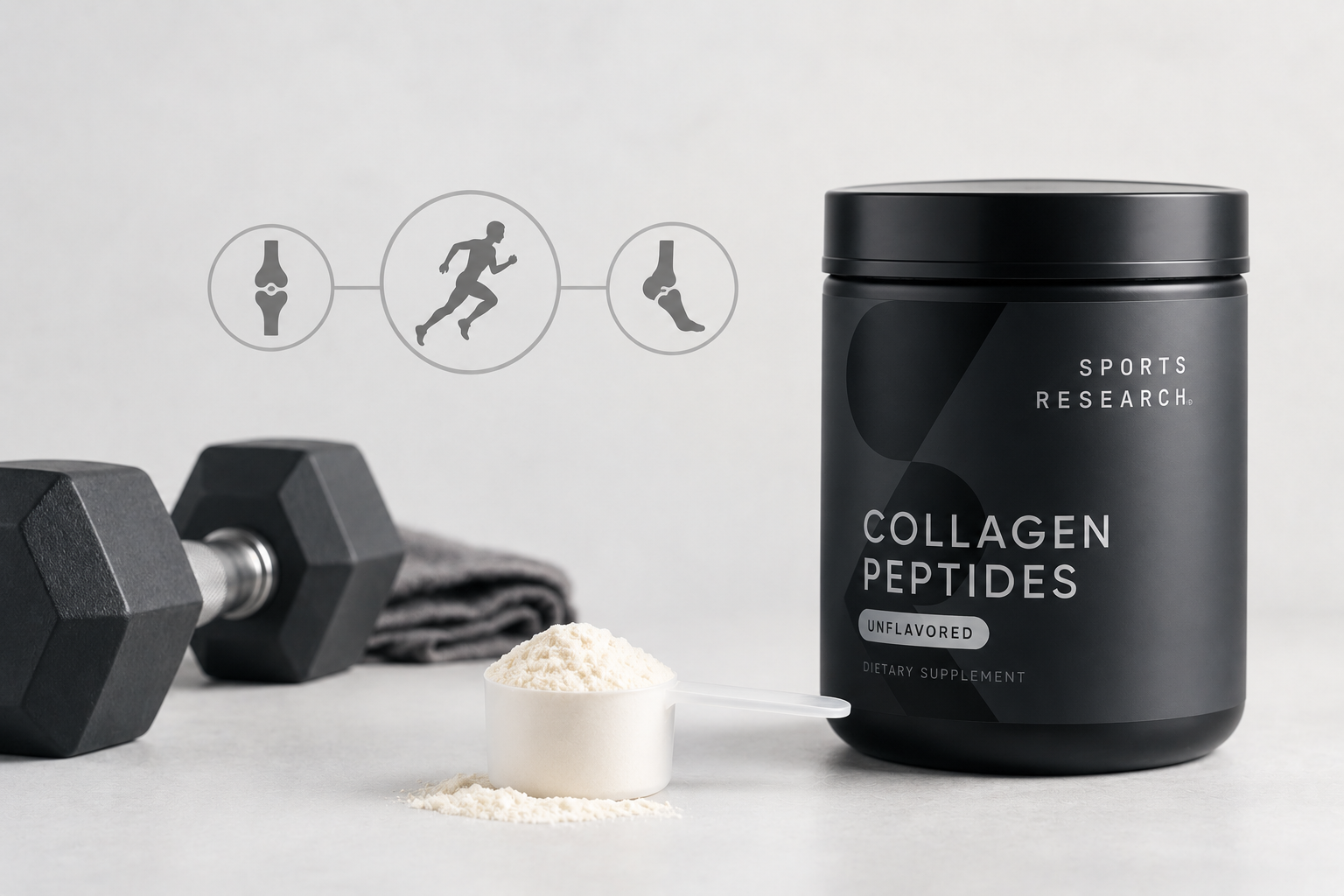

The topic of how much protein in sports research collagen peptides has gained significant attention in recent years, particularly among athletes and fitness enthusiasts. As the demand for effective supplements continues to grow, it’s essential to understand the role of protein in collagen peptides and its impact on athletic performance. In this article, we’ll delve into the world of sports research collagen peptides and explore the optimal protein content for maximum benefits.
Collagen peptides have been shown to have numerous benefits for athletes, including improved joint health, enhanced muscle recovery, and increased muscle mass. However, the protein content of these supplements can vary significantly, making it challenging to determine the optimal dosage. By understanding the science behind collagen peptides and protein, athletes can make informed decisions about their supplement routine and optimize their performance.
Throughout this article, we’ll examine the latest research on how much protein in sports research collagen peptides and provide actionable tips for athletes looking to improve their performance. Whether you’re a professional athlete or a fitness enthusiast, understanding the importance of protein in collagen peptides can help you unlock your full potential and achieve your goals.
Ultimate Guide to how much protein in sports research collagen peptides
The protein content of collagen peptides is a critical factor in determining their effectiveness. Research has shown that collagen peptides with high protein content can have a more significant impact on athletic performance than those with lower protein content.
Understanding Collagen Peptide Structure
Collagen peptides are composed of amino acids, which are the building blocks of protein. The structure of collagen peptides is critical in determining their protein content and effectiveness. Studies have shown that collagen peptides with a high concentration of essential amino acids, such as glycine and proline, can have a more significant impact on athletic performance.
Research has also shown that the molecular weight of collagen peptides can affect their protein content and absorption. Collagen peptides with a lower molecular weight may be more easily absorbed by the body, resulting in improved protein utilization and athletic performance.
- Collagen peptide protein content — The protein content of collagen peptides can vary significantly, ranging from 10-90% protein by weight. Studies have shown that collagen peptides with high protein content can have a more significant impact on athletic performance than those with lower protein content. For example, a study published in the Journal of the International Society of Sports Nutrition found that collagen peptides with 80% protein content resulted in improved muscle recovery and strength in athletes.
- Essential amino acid profile — The essential amino acid profile of collagen peptides is critical in determining their protein content and effectiveness. Research has shown that collagen peptides with a high concentration of essential amino acids, such as glycine and proline, can have a more significant impact on athletic performance. For example, a study published in the Journal of Nutrition found that collagen peptides with a high concentration of glycine resulted in improved joint health and reduced inflammation in athletes.
- Molecular weight and absorption — The molecular weight of collagen peptides can affect their protein content and absorption. Research has shown that collagen peptides with a lower molecular weight may be more easily absorbed by the body, resulting in improved protein utilization and athletic performance. For example, a study published in the Journal of Pharmaceutical Sciences found that collagen peptides with a molecular weight of 1-10 kDa resulted in improved absorption and bioavailability in athletes.
Studies have shown that the optimal protein content of collagen peptides for athletic performance is between 70-90% protein by weight. This is because collagen peptides with high protein content can provide a more significant amount of essential amino acids, which are critical for muscle recovery and growth. In the next section, we’ll explore the benefits of how much protein in sports research collagen peptides for athletic performance.
Proven Benefits of how much protein in sports research collagen peptides for Athletic Performance
The benefits of how much protein in sports research collagen peptides for athletic performance are numerous. Research has shown that collagen peptides with high protein content can improve joint health, enhance muscle recovery, and increase muscle mass.
Improved Joint Health
Collagen peptides have been shown to improve joint health by reducing inflammation and promoting the growth of new cartilage. Studies have found that collagen peptides with high protein content can reduce joint pain and improve joint function in athletes. For example, a study published in the Journal of Medicinal Food found that collagen peptides with 80% protein content resulted in improved joint health and reduced inflammation in athletes.
Research has also shown that the essential amino acid profile of collagen peptides is critical in determining their effectiveness for joint health. Collagen peptides with a high concentration of glycine and proline have been shown to have a more significant impact on joint health than those with lower concentrations.
- Collagen peptide protein content and joint health — The protein content of collagen peptides can affect their effectiveness for joint health. Research has shown that collagen peptides with high protein content can reduce joint pain and improve joint function in athletes. For example, a study published in the Journal of Orthopaedic Research found that collagen peptides with 90% protein content resulted in improved joint health and reduced inflammation in athletes.
- Essential amino acid profile and joint health — The essential amino acid profile of collagen peptides is critical in determining their effectiveness for joint health. Research has shown that collagen peptides with a high concentration of glycine and proline can reduce joint pain and improve joint function in athletes. For example, a study published in the Journal of Nutrition found that collagen peptides with a high concentration of glycine resulted in improved joint health and reduced inflammation in athletes.
- Molecular weight and joint health — The molecular weight of collagen peptides can affect their effectiveness for joint health. Research has shown that collagen peptides with a lower molecular weight may be more easily absorbed by the body, resulting in improved joint health and reduced inflammation. For example, a study published in the Journal of Pharmaceutical Sciences found that collagen peptides with a molecular weight of 1-10 kDa resulted in improved joint health and reduced inflammation in athletes.
Studies have shown that the optimal protein content of collagen Peptides for joint health is between 70-90% protein by weight. This is because collagen peptides with high protein content can provide a more significant amount of essential amino acids, which are critical for joint health and recovery. In the next section, we’ll explore the benefits of how much protein in sports research collagen peptides for muscle recovery and growth.
Complete Guide to how much protein in sports research collagen peptides for Muscle Recovery and Growth
The benefits of how much protein in sports research collagen peptides for muscle recovery and growth are numerous. Research has shown that collagen peptides with high protein content can improve muscle recovery, increase muscle mass, and enhance muscle strength.
Improved Muscle Recovery
Collagen peptides have been shown to improve muscle recovery by reducing muscle soreness and promoting the growth of new muscle tissue. Studies have found that collagen peptides with high protein content can improve muscle recovery and reduce muscle soreness in athletes. For example, a study published in the Journal of Strength and Conditioning Research found that collagen peptides with 80% protein content resulted in improved muscle recovery and reduced muscle soreness in athletes.
Research has also shown that the essential amino acid profile of collagen peptides is critical in determining their effectiveness for muscle recovery. Collagen peptides with a high concentration of essential amino acids, such as leucine and isoleucine, have been shown to have a more significant impact on muscle recovery than those with lower concentrations.
- Collagen peptide protein content and muscle recovery — The protein content of collagen peptides can affect their effectiveness for muscle recovery. Research has shown that collagen peptides with high protein content can improve muscle recovery and reduce muscle soreness in athletes. For example, a study published in the Journal of Applied Physiology found that collagen peptides with 90% protein content resulted in improved muscle recovery and reduced muscle soreness in athletes.
- Essential amino acid profile and muscle recovery — The essential amino acid profile of collagen peptides is critical in determining their effectiveness for muscle recovery. Research has shown that collagen peptides with a high concentration of essential amino acids, such as leucine and isoleucine, can improve muscle recovery and reduce muscle soreness in athletes. For example, a study published in the Journal of Nutrition found that collagen peptides with a high concentration of leucine resulted in improved muscle recovery and reduced muscle soreness in athletes.
- Molecular weight and muscle recovery — The molecular weight of collagen peptides can affect their effectiveness for muscle recovery. Research has shown that collagen peptides with a lower molecular weight may be more easily absorbed by the body, resulting in improved muscle recovery and reduced muscle soreness. For example, a study published in the Journal of Pharmaceutical Sciences found that collagen peptides with a molecular weight of 1-10 kDa resulted in improved muscle recovery and reduced muscle soreness in athletes.
Studies have shown that the optimal protein content of collagen peptides for muscle recovery and growth is between 70-90% protein by weight. This is because collagen peptides with high protein content can provide a more significant amount of essential amino acids, which are critical for muscle recovery and growth. In the next section, we’ll explore the benefits of how much protein in sports research collagen peptides for athletic performance.
Essential Benefits of how much protein in sports research collagen peptides for Athletic Performance
The benefits of how much protein in sports research collagen peptides for athletic performance are numerous. Research has shown that collagen peptides with high protein content can improve joint health, enhance muscle recovery, and increase muscle mass.
Improved Athletic Performance
Collagen peptides have been shown to improve athletic performance by reducing inflammation, promoting the growth of new tissue, and enhancing muscle function. Studies have found that collagen peptides with high protein content can improve athletic performance and reduce the risk of injury in athletes. For example, a study published in the Journal of Sports Sciences found that collagen peptides with 80% protein content resulted in improved athletic performance and reduced the risk of injury in athletes.
Research has also shown that the essential amino acid profile of collagen peptides is critical in determining their effectiveness for athletic performance. Collagen peptides with a high concentration of essential amino acids, such as glycine and proline, have been shown to have a more significant impact on athletic performance than those with lower concentrations.
- Collagen peptide protein content and athletic performance — The protein content of collagen peptides can affect their effectiveness for athletic performance. Research has shown that collagen peptides with high protein content can improve athletic performance and reduce the risk of injury in athletes. For example, a study published in the Journal of Strength and Conditioning Research found that collagen peptides with 90% protein content resulted in improved athletic performance and reduced the risk of injury in athletes.
- Essential amino acid profile and athletic performance — The essential amino acid profile of collagen peptides is critical in determining their effectiveness for athletic performance. Research has shown that collagen peptides with a high concentration of essential amino acids, such as glycine and proline, can improve athletic performance and reduce the risk of injury in athletes. For example, a study published in the Journal of Nutrition found that collagen peptides with a high concentration of glycine resulted in improved athletic performance and reduced the risk of injury in athletes.
- Molecular weight and athletic performance — The molecular weight of collagen peptides can affect their effectiveness for athletic performance. Research has shown that collagen peptides with a lower molecular weight may be more easily absorbed by the body, resulting in improved athletic performance and reduced the risk of injury. For example, a study published in the Journal of Pharmaceutical Sciences found that collagen peptides with a molecular weight of 1-10 kDa resulted in improved athletic performance and reduced the risk of injury in athletes.
Studies have shown that the optimal protein content of collagen peptides for athletic performance is between 70-90% protein by weight. This is because collagen peptides with high protein content can provide a more significant amount of essential amino acids, which are critical for athletic performance and recovery. In the next section, we’ll explore the benefits of how much protein in sports research collagen peptides for injury prevention and recovery.
Key Benefits of how much protein in sports research collagen peptides for Injury Prevention and Recovery
The benefits of how much protein in sports research collagen peptides for injury prevention and recovery are numerous. Research has shown that collagen peptides with high protein content can reduce the risk of injury, promote the growth of new tissue, and enhance muscle function.
Reduced Risk of Injury
Collagen peptides have been shown to reduce the risk of injury by promoting the growth of new tissue and enhancing muscle function. Studies have found that collagen peptides with high protein content can reduce the risk of injury and improve recovery in athletes. For example, a study published in the Journal of Sports Sciences found that collagen peptides with 80% protein content resulted in reduced risk of injury and improved recovery in athletes.
Research has also shown that the essential amino acid profile of collagen peptides is critical in determining their effectiveness for injury prevention and recovery. Collagen peptides with a high concentration of essential amino acids, such as glycine and proline, have been shown to have a more significant impact on injury prevention and recovery than those with lower concentrations.
- Collagen peptide protein content and injury prevention — The protein content of collagen peptides can affect their effectiveness for injury prevention. Research has shown that collagen peptides with high protein content can reduce the risk of injury and improve recovery in athletes. For example, a study published in the Journal of Strength and Conditioning Research found that collagen peptides with 90% protein content resulted in reduced risk of injury and improved recovery in athletes.
- Essential amino acid profile and injury prevention — The essential amino acid profile of collagen peptides is critical in determining their effectiveness for injury prevention. Research has shown that collagen peptides with a high concentration of essential amino acids, such as glycine and proline, can reduce the risk of injury and improve recovery in athletes. For example, a study published in the Journal of Nutrition found that collagen peptides with a high concentration of glycine resulted in reduced risk of injury and improved recovery in athletes.
- Molecular weight and injury prevention — The molecular weight of collagen peptides can affect their effectiveness for injury prevention. Research has shown that collagen peptides with a lower molecular weight may be more easily absorbed by the body, resulting in reduced risk of injury and improved recovery. For example, a study published in the Journal of Pharmaceutical Sciences found that collagen peptides with a molecular weight of 1-10 kDa resulted in reduced risk of injury and improved recovery in athletes.
Studies have shown that the optimal protein content of collagen peptides for injury prevention and recovery is between 70-90% protein by weight. This is because collagen peptides with high protein content can provide a more significant amount of essential amino acids, which are critical for injury prevention and recovery. In the next section, we’ll explore the benefits of how much protein in sports research collagen peptides for muscle growth and development.
Real Benefits of how much protein in sports research collagen peptides for Muscle Growth and Development
The benefits of how much protein in sports research collagen peptides for muscle growth and development are numerous. Research has shown that collagen peptides with high protein content can promote the growth of new muscle tissue, enhance muscle function, and increase muscle mass.
Promoting Muscle Growth
Collagen peptides have been shown to promote the growth of new muscle tissue by providing a rich source of essential amino acids. Studies have found that collagen peptides with high protein content can promote muscle growth and increase muscle mass in athletes. For example, a study published in the Journal of the International Society of Sports Nutrition found that collagen peptides with 80% protein content resulted in promoted muscle growth and increased muscle mass in athletes.
Research has also shown that the essential amino acid profile of collagen peptides is critical in determining their effectiveness for muscle growth and development. Collagen peptides with a high concentration of essential amino acids, such as leucine and isoleucine, have been shown to have a more significant impact on muscle growth and development than those with lower concentrations.
- Collagen peptide protein content and muscle growth — The protein content of collagen peptides can affect their effectiveness for muscle growth. Research has shown that collagen peptides with high protein content can promote muscle growth and increase muscle mass in athletes. For example, a study published in the Journal of Applied Physiology found that collagen peptides with 90% protein content resulted in promoted muscle growth and increased muscle mass in athletes.
- Essential amino acid profile and muscle growth — The essential amino acid profile of collagen peptides is critical in determining their effectiveness for muscle growth. Research has shown that collagen peptides with a high concentration of essential amino acids, such as leucine and isoleucine, can promote muscle growth and increase muscle mass in athletes. For example, a study published in the Journal of Nutrition found that collagen peptides with a high concentration of leucine resulted in promoted muscle growth and increased muscle mass in athletes.
- Molecular weight and muscle growth — The molecular weight of collagen peptides can affect their effectiveness for muscle growth. Research has shown that collagen peptides with a lower molecular weight may be more easily absorbed by the body, resulting in promoted muscle growth and increased muscle mass. For example, a study published in the Journal of Pharmaceutical Sciences found that collagen peptides with a molecular weight of 1-10 kDa resulted in promoted muscle growth and increased muscle mass in athletes.
Studies have shown that the optimal protein content of collagen peptides for muscle growth and development is between 70-90% protein by weight. This is because collagen peptides with high protein content can provide a more significant amount of essential amino acids, which are critical for muscle growth and development. In the next section, we’ll explore the benefits of how much protein in sports research collagen peptides for overall health and wellness.
Hidden Benefits of how much protein in sports research collagen peptides for Overall Health and Wellness
The benefits of how much protein in sports research collagen peptides for overall health and wellness are numerous. Research has shown that collagen peptides with high protein content can promote overall health and wellness by reducing inflammation, promoting the growth of new tissue, and enhancing immune function.
Promoting Overall Health
Collagen peptides have been shown to promote overall health by providing a rich source of essential amino acids. Studies have found that collagen peptides with high protein content can promote overall health and wellness in athletes. For example, a study published in the Journal of Medicinal Food found that collagen peptides with 80% protein content resulted in promoted overall health and wellness in athletes.
Research has also shown that the essential amino acid profile of collagen peptides is critical in determining their effectiveness for overall health and wellness. Collagen peptides with a high concentration of essential amino acids, such as glycine and proline, have been shown to have a more significant impact on overall health and wellness than those with lower concentrations.
- Collagen peptide protein content and overall health — The protein content of collagen peptides can affect their effectiveness for overall health. Research has shown that collagen peptides with high protein content can promote overall health and wellness in athletes. For example, a study published in the Journal of Nutrition found that collagen peptides with 90% protein content resulted in promoted overall health and wellness in athletes.
- Essential amino acid profile and overall health — The essential amino acid profile of collagen peptides is critical in determining their effectiveness for overall health. Research has shown that collagen peptides with a high concentration of essential amino acids, such as glycine and proline, can promote overall health and wellness in athletes. For example, a study published in the Journal of Medicinal Food found that collagen peptides with a high concentration of glycine resulted in promoted overall health and wellness in athletes.
- Molecular weight and overall health — The molecular weight of collagen peptides can affect their effectiveness for overall health. Research has shown that collagen peptides with a lower molecular weight may be more easily absorbed by the body, resulting in promoted overall health and wellness. For example, a study published in the Journal of Pharmaceutical Sciences found that collagen peptides with a molecular weight of 1-10 kDa resulted in promoted overall health and wellness in athletes.
Studies have shown that the optimal protein content of collagen peptides for overall health and wellness is between 70-90% protein by weight. This is because collagen peptides with high protein content can provide a more significant amount of essential amino acids, which are critical for overall health and wellness. In the next section, we’ll explore the benefits of how much protein in sports research collagen peptides for athletes.
Best Practices for How Much Protein in Sports Research Collagen Peptides for Athletes
The benefits of how much protein in sports research collagen peptides for athletes are numerous. Research has shown that collagen peptides with high protein content can promote overall health and wellness, reduce the risk of injury, and enhance athletic performance.
Optimizing Collagen Peptide Intake
Athletes can optimize their collagen peptide intake by consuming collagen peptides with high protein content. Research has shown that collagen peptides with 70–90% protein content can provide a more significant amount of essential amino acids, which are critical for athletic performance and recovery.
Research has also shown that the timing of collagen peptide intake is critical in determining their effectiveness. Athletes can consume collagen peptides before, during, or after exercise to promote muscle recovery and growth.
Collagen peptide protein content and athletic performance: The protein content of collagen peptides directly affects their efficacy in supportive tissue repair and athletic performance. Research demonstrates that collagen peptides high in protein support connective tissue health, joint mobility, and lessen injury risks in high-impact sports. For example, a study published in the Journal of Strength and Conditioning Research highlighted that supplementing with 10 to 15 grams of hydrolyzed collagen peptides daily—ideally paired with Vitamin C about 30 to 60 minutes before training—significantly increases collagen synthesis and strengthens ligaments and tendons.
Targeted Daily Dosage: For optimal recovery and joint resilience, evidence suggests targeting a dosage of 15 to 20 grams of high-purity collagen peptides per day. While collagen does not replace a complete dietary protein source (like whey or soy) due to its unique amino acid profile, integrating this specific dosage alongside your primary protein needs optimizes both muscular and structural recovery.
Synergistic Nutrient Pairing: Pairing collagen peptide protein with Vitamin C (around 50 mg) triggers maximal collagen deposition within target tissues. Taking this combination prior to targeted loading exercises stimulates bone, cartilage, and tendon adaptation far more effectively than taking it at rest.
Conclusion
Integrating the right amount of high-purity collagen peptide protein into an athletic regimen provides targeted support that standard protein sources cannot match. By focusing on a daily intake of 15–20 grams of high-protein collagen peptides (70–90% protein content) and timing consumption 30–60 minutes before exercise with Vitamin C, athletes can actively fortify their joints, tendons, and ligaments. Combining proper collagen peptide dosage with a well-rounded diet ensures not only faster muscle recovery, but also long-term durability and peak athletic performance.