

When comparing peptide vs protein size, the traditional boundary is set at 50 amino acids: chains with fewer than 50 amino acids are classified as peptides, while longer chains are classified as proteins. From a molecular weight perspective, this threshold corresponds to approximately 5,000 Daltons (5 kDa), which serves as the general operational dividing line in biochemistry.
However, this numeric rule is an artificial scientific convention rather than a strict physical wall. The true functional difference between a peptide and a protein lies in structural thermodynamics—specifically, whether an amino acid sequence is long enough to spontaneously fold into a stable, three-dimensional tertiary structure with a hydrophobic core.
Understanding this size threshold reveals why molecular weight dictates how these molecules behave in biological systems. Sequence length directly controls conformational flexibility, enzymatic degradation rates, cellular membrane permeability, and immunogenic potential, forming a critical foundation for biochemical analysis and therapeutic drug design.
The Molecular Threshold: Amino Acid Count and Molecular Weight Boundaries
Biochemists categorize amino acid polymers into distinct classes based on sequence length and molecular mass. At the smallest end of the spectrum are oligopeptides, which consist of 2 to 20 amino acids joined by peptide bonds. Well-known examples include dipeptides like carnosine and nonapeptides like oxytocin. As the chain extends from 20 to 50 amino acids, the molecule is classified as a polypeptide. Once the sequence exceeds 50 amino acids, it enters the protein domain.
To evaluate these size classifications in mass terms, Researchers use the Dalton (Da) or kilodalton (kDa), where 1 Da equals approximately the mass of one hydrogen atom. Because the average molecular weight of a single proteinogenic amino acid is roughly 110 Da (accounting for the loss of a water molecule during peptide bond condensation), a 50-amino-acid peptide weighs approximately 5,500 Da, or 5.5 kDa.
Consequently, 5,000 Daltons (~5 kDa) is widely recognized as the functional divide in analytical biochemistry. Molecules under 5 kDa generally exhibit flexible, disordered structures in aqueous solutions, whereas molecules exceeding 5 kDa frequently display organized, defined secondary and tertiary structures.
This 50-amino-acid rule contains notable historical nuances. Human insulin, for instance, consists of 51 amino acids distributed across two chains (an A-chain of 21 residues and a B-chain of 30 residues) linked by interchain disulfide bonds. Because its total molecular weight is approximately 5.8 kDa and it adopts a distinct tertiary conformation, insulin sits precisely on the structural borderland between a large peptide hormone and a small globular protein.
Such boundary cases demonstrate why molecular weight and tertiary architecture must be evaluated together rather than relying solely on arbitrary chain length cutoffs.
Structural Divergence: Secondary and Tertiary Folding Mechanics
The transition from a peptide to a protein is defined by structural mechanics. Small Peptides lack the thermodynamic sequence length required to maintain rigid, stable tertiary structures in physiological environments. Because a short peptide chain exposes a large surface area relative to its internal volume, water molecules form hydrogen-bonded hydration shells around the backbone.
Without sufficient length, the entropic penalty of folding into a single rigid shape outweighs the enthalpic gains of intramolecular interactions, causing short peptides to exist as dynamic ensembles of interconverting conformations.
As an amino acid chain grows beyond 30 to 40 residues, localized secondary structures—such as alpha-helices and beta-pleated sheets—begin to stabilize through cooperative hydrogen bonding along the peptide backbone. However, full tertiary folding requires the creation of a hydrophobic core. In aqueous physiological environments, nonpolar amino acid side chains (such as leucine, isoleucine, valine, and phenylalanine) spontaneously aggregate inward to minimize contact with water, driving water molecules outward and increasing system entropy.
A minimum sequence length is mandatory to construct this hydrophobic core. An amino acid chain must be long enough to wrap around itself, creating an internal microenvironment isolated from the surrounding solvent while leaving polar and charged side chains exposed on the surface. Small peptides simply lack enough interior residues to bury nonpolar groups while simultaneously forming stabilizing disulfide bridges, salt bridges, and van der Waals networks.
Without a stable tertiary core, peptides remain structurally flexible, allowing them to adapt their shape when binding to receptor pockets. In contrast, proteins rely on precise, rigid three-dimensional structures to form active catalytic sites, structural scaffolds, and high-affinity binding interfaces.
Chemical Comparison: Peptides vs. Polypeptides vs. Proteins
| Parameter | Peptides (Oligopeptides) | Polypeptides | Proteins |
|---|---|---|---|
| Amino Acid Count | 2 to 20 residues | 20 to 50 residues | 50+ residues (often hundreds to thousands) |
| Molecular Weight | < 2.2 kDa | 2.2 kDa to ~5.5 kDa | > 5.5 kDa (up to several thousand kDa) |
| Primary Bond Types | Covalent peptide bonds | Peptide bonds, occasional intrachain disulfide bonds | Peptide bonds, disulfide bridges, ionic salt bridges, hydrogen bonds, van der Waals forces |
| Structural Level | Primary structure; unstructured or transient secondary loops | Defined secondary structures (alpha-helices, beta-turns); minimal tertiary core | Fully defined secondary, tertiary, and often quaternary 3D architectures |
| Thermodynamic Stability | Low folding stability; conformational flexibility | Moderate flexibility; semi-stable folded intermediates | High conformational stability driven by hydrophobic core collapse |
| Synthesis Methods | Solid-phase peptide synthesis (SPPS), chemical ligation | Advanced SPPS, hybrid recombinant expression | Recombinant DNA technology (e.g., bacterial, yeast, or mammalian cell culture) |
| Cellular & Biological Roles | Hormonal signaling, neurotransmission, metabolic regulation | Ion channel modulation, intermediate signaling pathways | Enzymatic catalysis, structural support, immune defense, active transport |
Why Size Dictates Biological Function and Bioavailability
Molecular size directly governs how amino acid polymers behave within biological systems. From a pharmacokinetic perspective, sequence length determines a molecule’s plasma half-life, systemic distribution, and mechanism of clearance. Small peptides under 5 kDa are highly susceptible to rapid cleavage by endopeptidases and exopeptidases in the bloodstream, gut, and tissues.
Furthermore, molecules with a molecular weight below the renal filtration threshold (approximately 30 to 50 kDa) are rapidly cleared from systemic circulation via glomerular filtration in the kidneys, yielding peptide elimination half-lives often measured in minutes.
Conversely, large proteins possess structural features that protect them from rapid clearance. Their tightly folded tertiary structures physically block proteases from accessing vulnerable backbone cleavage sites. In addition, large proteins exceed the renal filtration size limit, circulating until they are cleared through receptor-mediated endocytosis or lysosomal degradation pathways. Monoclonal antibodies, for example, have molecular weights near 150 kDa and leverage specific recycling receptors to maintain circulating half-lives of several weeks.
Size also dictates cellular membrane permeability. Because plasma membranes consist of a lipophilic phospholipid bilayer, large, highly charged proteins cannot cross cell membranes through passive diffusion, relying instead on active endocytosis or cell-surface receptor binding. While small peptides are also generally hydrophilic, their lower molecular weight and conformational flexibility allow synthetic modifications—such as N-methylation, cyclization, or lipid conjugation—that enable passive membrane permeability or transport across specialized barriers like the blood-brain barrier.
Finally, molecular size is a primary determinant of immunogenicity. The immune system identifies foreign antigens using pattern recognition receptors and antigen-presenting processes. Molecules smaller than 3 to 5 kDa rarely provoke a robust adaptive immune response on their own because they cannot efficiently cross-link B-cell receptors or present complex conformational epitopes. Proteins, due to their large size, stable 3D surfaces, and multiple surface epitopes, are significantly more immunogenic, frequently stimulating neutralizing antibody formation when administered biotherapeutically.
Gray Areas and Exceptions in Biochemical Classification
The traditional threshold separating peptides from proteins at 50 amino acids serves as a useful practical guide, but nature frequently ignores arbitrary numerical boundaries. Classifying biomolecules requires looking beyond simple monomer counts to examine thermodynamic folding behavior, disulfide bonding patterns, and structural independence.
Human insulin presents a classic classification dilemma. Composed of 51 amino acids distributed across two distinct polypeptide chains (an A-chain of 21 residues and a B-chain of 30 residues) linked by interchain disulfide bonds, insulin sits exactly on the historical border. Historically, insulin was categorized as a small protein due to its clear, stable tertiary structure and hormone receptor specificity.
Modern structural biology, however, often categorizes it as a complex peptide hormone or a micro-protein, demonstrating that multi-chain architecture and rigid spatial organization can occur well below typical protein size thresholds.
Conversely, intrinsically disordered proteins (IDPs) challenge the assumption that large polypeptide chains always fold into fixed three-dimensional shapes. IDPs contain hundreds of amino acids yet lack stable tertiary structures under physiological conditions. Despite their large molecular weights (often exceeding 50 to 100 kilodaltons), IDPs exist as dynamic, conformational ensembles that fold only upon binding to specific biological targets. They prove that massive size does not automatically guarantee structural rigidity.
Small bioactive peptides can also achieve rigid spatial arrangements without large amino acid counts. Cyclization—where the N-terminus and C-terminus form a Covalent bond, or where internal cysteine residues form intramolecular disulfide bridges—restrains conformational flexibility. Cyclotides, which contain just 28 to 37 amino acids, utilize a cyclic backbone and a cystine knot motif to form exceptionally stable, rigid structures resistant to thermal and enzymatic degradation.
These molecules behave structurally like miniproteins while maintaining the synthetic tractability of short peptides.
| Biomolecule | Residue Count | Structural Features | Classification Context |
|---|---|---|---|
| Insulin | 51 amino acids | Two chains, 3 disulfide bonds, fixed tertiary fold | Borderline micro-protein / complex peptide hormone |
| Cyclotides | 28–37 amino acids | Head-to-tail cyclic backbone, cystine knot | Constrained macrocyclic peptide / miniprotein |
| Intrinsically Disordered Proteins | 100+ amino acids | Flexible, dynamic ensemble; lacks hydrophobic core | Functional protein without fixed tertiary structure |
Laboratory and Industrial Synthesis: Chemical Peptides vs. Recombinant Proteins
The physical length and molecular weight of an amino acid chain dictate the methodology required to manufacture it. Chemical synthesis and biological expression represent two fundamentally distinct manufacturing paradigms, divided almost entirely by molecular scale.
Chemical synthesis relies primarily on Solid-Phase Peptide Synthesis (SPPS), pioneered by Bruce Merrifield. In SPPS, the C-terminal amino acid is covalently anchored to an insoluble polymeric resin bead. Successive amino acids, protected at their N-termini with chemical groups like Fmoc or Boc, are added sequentially through repeated coupling and deprotection cycles. SPPS allows precise control over non-canonical amino acids, backbone modifications, and synthetic conjugation.
However, because each coupling step operates at less than 100% efficiency (typically 98-99%), cumulative yield drops exponentially as chain length increases. Accumulation of deletion sequences makes SPPS economically impractical and chemically challenging for sequences longer than 50 to 70 amino acids.
Large proteins require biological machinery capable of high-fidelity translation and complex folding. Recombinant DNA technology utilizes living host organisms—such as Escherichia coli, Pichia pastoris, or Chinese Hamster Ovary (CHO) cells—to express target proteins. Synthetic or cloned gene sequences are inserted into expression vectors, which the host cell transcribes and translates into full-length proteins.
Recombinant expression handles sequences containing hundreds or thousands of amino acids with high sequence fidelity. Host organisms also provide molecular chaperones to assist in complex tertiary folding and perform essential post-translational modifications, such as glycosylation and phosphorylation, which are difficult to replicate via pure chemical synthesis.
Common Misconceptions About Peptide and Protein Structure
Several persistent myths complicate the distinction between peptides and proteins, often stemming from oversimplified educational models.
Myth 1: Peptides and proteins contain different types of chemical bonds.
Fact: The covalent linkages connecting amino acid residues are chemically identical in both peptides and proteins. Both rely exclusively on amide bonds formed between the alpha-carboxyl group of one amino acid and the alpha-amino group of another, universally termed peptide bonds. Differences in stability arise from overall molecular architecture, tertiary folding, and non-covalent interactions, not from the primary chemical linkage itself.
Myth 2: Proteins are intrinsically more potent biological agents than peptides.
Fact: Biological activity is determined by receptor affinity and kinetic specificity, not molecular weight. Small peptides often exhibit sub-nanomolar binding affinities for cell-surface receptors. For example, oxytocin (9 amino acids) and glucagon-like peptide-1 (GLP-1, 30 amino acids) trigger powerful physiological signaling cascades at minute systemic concentrations.
Myth 3: All peptides lack defined three-dimensional structure.
Fact: While short linear peptides often exist as flexible random coils in aqueous solution, many constrained, cyclic, or disulfide-rich peptides adopt highly specific, rigid spatial structures. Secondary structures like alpha-helices and beta-turns frequently form in peptides containing fewer than 20 amino acids.
Myth 4: Peptides can be readily taken orally, whereas proteins cannot.
Fact: Unmodified linear peptides and large proteins both suffer from poor oral bioavailability. Gastric acid and brush-border peptidases rapidly cleave peptide bonds regardless of chain length, while hydrophilic backbones restrict passive intestinal transport. Both classes generally require specialized delivery formulations, chemical modifications, or parenteral administration.
Key Takeaways
- The 50-amino-acid boundary is a practical convention; structural stability and folding behavior dictate classification in edge cases like insulin and cyclic peptides.
- Solid-Phase Peptide Synthesis (SPPS) is optimal for short sequences under 50 amino acids, whereas recombinant cell expression is necessary for large proteins.
- Peptides and proteins utilize identical covalent peptide bonds; structural differences stem from secondary, tertiary, and quaternary folding mechanics.
- Molecular size does not correlate directly with biological potency, as small peptides frequently demonstrate high receptor affinity at nanomolar concentrations.
Watch: Peptides vs Proteins: Why Size Changes Everything (Peptide 101 Series – 2/10) #peptides #science
Frequently Asked Questions
Is insulin considered a peptide or a protein?
Insulin sits directly on the boundary, containing 51 amino acids across two chains linked by disulfide bonds. It is traditionally classified as a small protein due to its defined tertiary structure, but modern literature frequently categorizes it as a complex peptide hormone or micro-protein.
Why is the cutoff between peptides and proteins set at 50 amino acids?
The 50-amino-acid threshold represents an empirical operational limit. Below this size, chains rarely form stable, self-sustaining hydrophobic cores without disulfide bridges. Above this length, spontaneous, cooperatively folded tertiary structures become thermodynamically favorable in aqueous environments.
Do peptides and proteins have different types of chemical bonds?
No. Both peptides and proteins are constructed using identical covalent amide linkages, known as peptide bonds, between alpha-amino and alpha-carboxyl groups. Differences in stability and function stem entirely from chain length, sequence composition, and higher-order spatial folding.
Can a peptide perform the same cellular functions as a large protein?
Yes. Small peptides frequently serve as powerful hormones, neurotransmitters, and receptor agonists or antagonists. While they cannot match the complex enzymatic catalysis of large proteins, their high receptor specificity allows them to trigger major downstream cellular pathways efficiently.
How does molecular weight in Daltons correlate to amino acid count?
The average molecular weight of an amino acid residue in a polypeptide chain is approximately 110 Daltons. Consequently, a 50-amino-acid peptide weighs roughly 5.5 kilodaltons (kDa), providing a reliable baseline for converting sequence length into molecular mass.
Conclusion: Defining the Boundaries of Molecular Scale
Understanding the distinction between peptides and proteins requires looking beyond arbitrary amino acid counts to evaluate structural stability, thermodynamic folding, and synthetic feasibility. While the 50-residue limit serves as a useful benchmark, molecular behavior is ultimately governed by tertiary architecture, hydrophobic interactions, and chemical constraints.
Researchers and clinicians evaluating these biomolecules should focus on specific physicochemical properties—such as enzymatic half-life, cell-membrane permeability, and target affinity—rather than relying solely on categorical labels. This educational overview is intended for informational purposes only and does not constitute medical advice; individual therapeutic strategies should always be guided by a qualified clinician.
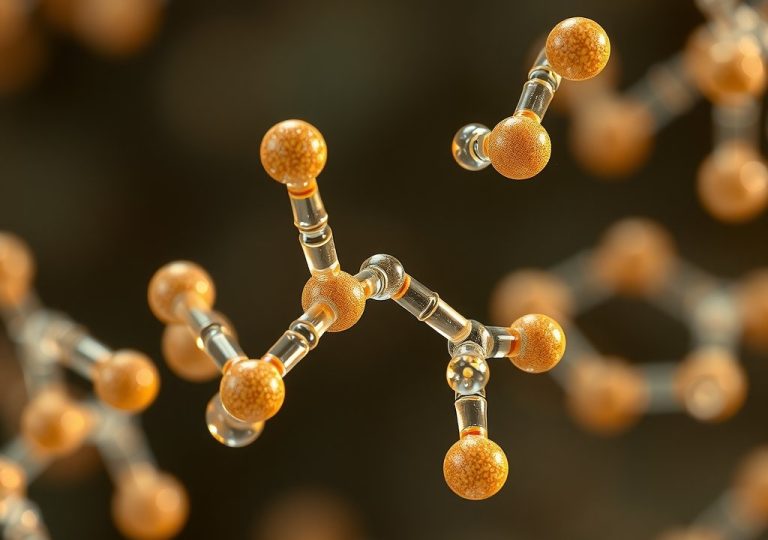
[…] peptide bond is a covalent amide linkage formed when the alpha-carboxyl group of one amino acid reacts with […]
[…] peptide is formed when how many amino acids make a peptide is answered by a specific chemical threshold: anywhere from 2 to 50 amino acids linked together by […]