
Peptides have become essential in many fields, such as pharmaceuticals, biotechnology, and cosmetic science. These short chains of amino acids act as messengers, drugs, or building blocks for larger proteins. However, one big challenge with peptides is their instability. They can break down quickly, losing their function and effectiveness. Understanding the common causes of peptide degradation is critical for scientists, pharmacists, and anyone working with these molecules. If you know what destroys peptides, you can better protect them, design stronger formulas, and improve their shelf life. In this guide, you’ll learn about the main factors behind peptide degradation, how they work, and what you can do to reduce their impact.
What Is Peptide Degradation?
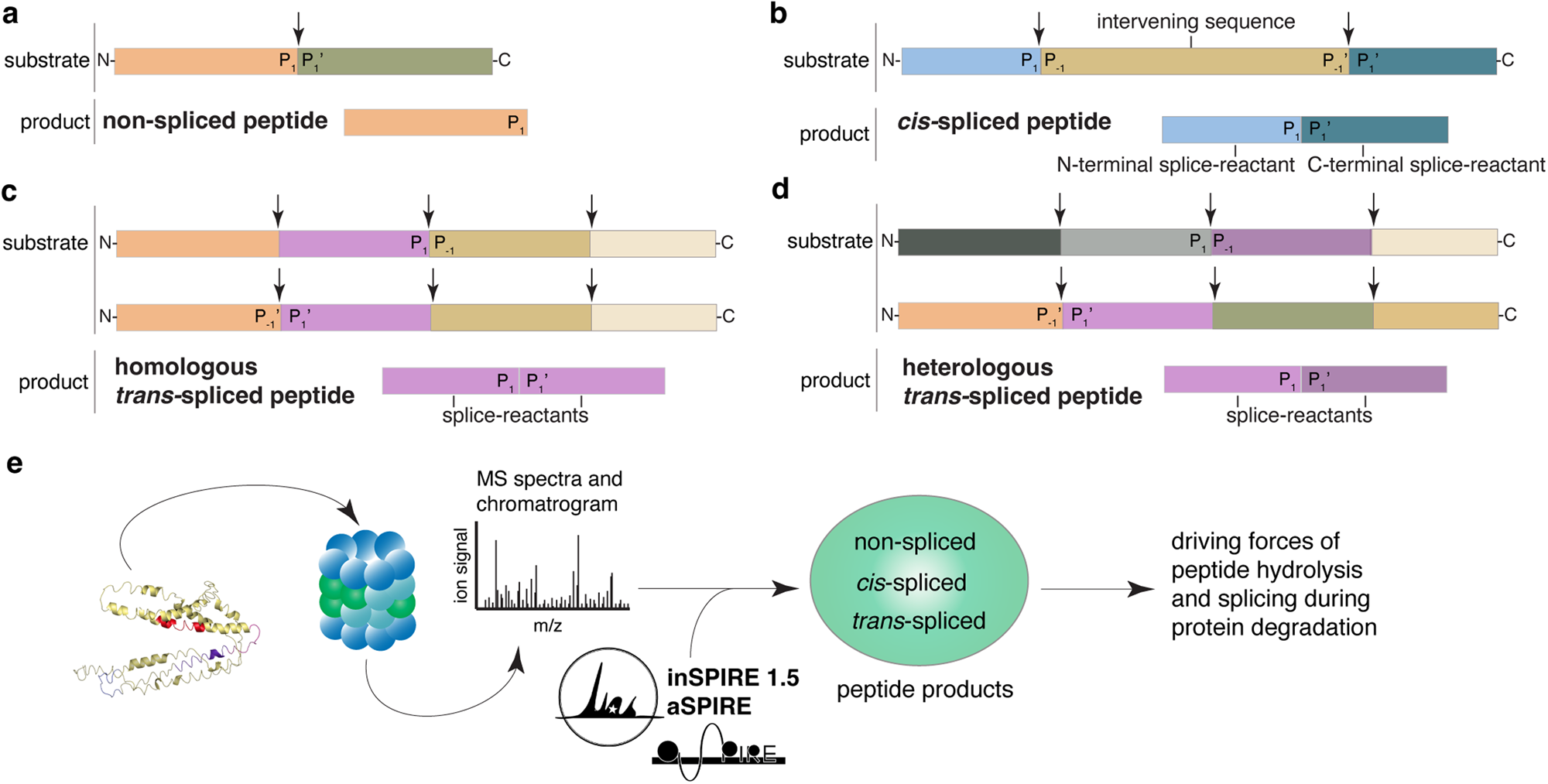
Before discussing the causes, it’s important to know what peptide degradation means. Peptide degradation is the process where peptides lose their structure or break into smaller pieces. This makes them less active or even useless. Degradation can happen because of chemical reactions, physical forces, or even living organisms like bacteria. For example, if a peptide drug breaks down in the body before it works, the patient gets no benefit. In the lab, degraded peptides can ruin experiments or lead to wrong results.
Major Causes Of Peptide Degradation
Peptide degradation is not caused by one single factor. Many things, alone or together, can damage peptides. Here are the most common causes:
1. Hydrolysis
Hydrolysis is a chemical reaction where water molecules break the peptide bonds between amino acids. This is one of the main ways peptides fall apart.
- How it happens: Water attacks the bond, especially under acidic or basic (alkaline) conditions.
- Where it matters: In stored solutions, the presence of even a small amount of water can lead to slow but steady breakdown.
- Example: A peptide stored at room temperature in a water-based solution may lose up to 10% of its mass in just one week.
Non-obvious insight: Not all peptide bonds are equally weak. Bonds next to certain amino acids (like aspartic acid or glutamic acid) break faster.
2. Oxidation
Oxidation is another chemical reaction. Here, oxygen or other reactive molecules damage the side chains of certain amino acids, especially methionine, cysteine, tryptophan, and histidine.
- Triggers: Light, air, and metal ions (like iron or copper) can all speed up oxidation.
- Result: The peptide changes shape or loses activity.
- Data: Studies show that peptides with methionine can lose 50% of their activity after 48 hours in the presence of air and light.
Practical tip: Using brown glass bottles and keeping peptides away from light reduces oxidation.
3. Deamidation
Deamidation means removing an amide group from amino acids like asparagine or glutamine. This reaction creates a new acid group, changing the peptide’s charge and folding.
- Main risk: Deamidation often happens slowly at room temperature but speeds up at higher temperatures or pH (alkaline) levels.
- Effect: Even small changes in charge can destroy a peptide’s ability to bind or signal.
- Example: In therapeutic peptides, deamidation can reduce drug potency by 20–30% during storage.
Non-obvious insight: Peptides with asparagine next to glycine or serine are especially vulnerable.
4. Racemization
Racemization is when the “handedness” of amino acids changes from left-handed (L-form) to right-handed (D-form). Most natural peptides use only L-forms. Racemization alters how the peptide fits with its target.
- How it happens: High pH (alkaline), heat, or some chemicals can trigger racemization.
- Problem: Even one changed amino acid can stop the peptide from working.
- Data: Racemization often happens slowly but can become important in peptides stored for months or years.
5. Aggregation
Aggregation is a physical process where peptide molecules stick together to form clumps.
- Why it happens: Changes in pH, temperature, or concentration can cause aggregation.
- Effect: Aggregated peptides may lose their function or even cause harmful immune responses.
- Example: Insulin, a peptide hormone, can form aggregates if not stored correctly, leading to reduced effectiveness.
Practical tip: Storing peptides at low concentrations and cold temperatures helps prevent aggregation.
6. Proteolytic Enzyme Attack
Proteolytic enzymes (proteases) are proteins in living things that break down peptides.
- Where it happens: In blood, tissues, or even in bacteria growing in a solution.
- Result: Peptides are quickly chopped into inactive pieces.
- Example: A peptide drug injected into the bloodstream may have a half-life of only a few minutes if not protected from proteases.
Non-obvious insight: Even a small contamination in the lab can introduce proteases that destroy peptides.
7. Light-induced Degradation
Light, especially ultraviolet (UV) light, can cause peptides to break down.
- Mechanism: UV light gives energy to certain amino acids, causing them to react and break bonds.
- Sensitive amino acids: Tryptophan, tyrosine, and cysteine are most at risk.
- Data: Exposure to sunlight can reduce peptide concentrations by up to 80% in a few hours.
Practical tip: Always store peptides in amber vials or in the dark.
8. Temperature Effects
High temperatures speed up almost every type of degradation.
- Why: Heat increases the energy of molecules, making chemical reactions faster.
- Example: A peptide stable for 1 month at 4°C may break down in just 2 days at 37°C.
- Cold risks: Freezing can also be harmful, causing changes in the solution that encourage aggregation.
Non-obvious insight: Freeze-thaw cycles are worse than steady freezing. Repeated cycles can cause up to 50% loss of peptide activity.
9. Ph Instability
pH measures how acidic or basic a solution is. Most peptides are stable only in a narrow pH range (usually around pH 7).
- Acidic conditions: Can speed up hydrolysis or cause side reactions.
- Basic conditions: Increase risks of deamidation and racemization.
- Example: A peptide exposed to pH 10 may degrade five times faster than at pH 7.
10. Metal Ion Contamination
Metal ions like iron, copper, and zinc can cause or speed up peptide degradation.
- How: They act as catalysts for oxidation or break bonds directly.
- Sources: Tap water, glassware, or even impurities in chemicals.
- Data: Even a few parts per million (ppm) of iron can double the rate of oxidation.
Practical tip: Use high-purity water and plasticware, not glass, to avoid contamination.
11. Microbial Contamination
Bacteria and fungi can grow in peptide solutions, especially if not kept cold or sterile.
- How they degrade peptides: Microbes produce proteases that break peptides rapidly.
- Result: The solution becomes cloudy or changes color, and peptides become inactive.
- Prevention: Always use sterile techniques and add preservatives if possible.
12. Mechanical Stress
Physical forces like shaking, stirring, or pumping can damage peptides.
- Why: These actions can introduce air bubbles, expose peptides to air (oxidation), or break apart fragile molecules.
- Example: Peptides in IV bags can lose activity if the bag is shaken hard during transport.
Non-obvious insight: Even gentle mixing can cause problems if done for long periods.
13. Chemical Modifications By Impurities
Impurities in water, buffers, or reagents can react with peptides.
- Types: Peroxides (from plasticware), aldehydes, or leftover cleaning chemicals.
- Result: Peptides form unwanted side products or lose function.
- Practical tip: Always use high-quality reagents and check for impurities.
14. Adsorption To Surfaces
Adsorption is when peptides stick to surfaces like glass, plastic, or rubber.
- Problem: The amount sticking can be small, but for low-concentration peptides, it may be a big loss.
- Example: In lab tests, up to 30% of a peptide can be lost just by sticking to the sides of a tube.
Non-obvious insight: Some plastics (like polypropylene) are better than others (like polystyrene) for peptide storage.
Comparing Major Degradation Pathways
To better understand the different causes, here’s a comparison of how quickly they can damage peptides under typical lab conditions:
| Degradation Cause | Speed (1 = Slow, 5 = Fast) | Typical Trigger |
|---|---|---|
| Hydrolysis | 3 | Water, extreme pH |
| Oxidation | 4 | Light, air, metals |
| Enzyme attack | 5 | Biological contamination |
| Light exposure | 4 | UV, sunlight |
| Aggregation | 2 | Temperature, pH shift |
Factors That Increase Peptide Degradation
Some conditions make peptides break down faster. Here are important ones:
- Long storage time
- Room temperature or higher
- Moisture in the container
- Impure chemicals or equipment
- Improper pH
- Direct sunlight
- Lack of preservatives
How To Prevent Peptide Degradation
Understanding the causes is only half the battle. You can take these steps to keep peptides stable:
- Store at low temperatures: Most peptides last longer in the fridge (2–8°C) or freezer (–20°C).
- Use dry, airtight containers: Moisture and air speed up many breakdown processes.
- Avoid repeated freeze-thaw cycles: Freeze in small portions.
- Choose the right pH: Store peptides in neutral buffers unless otherwise advised.
- Use antioxidants or preservatives: These can block oxidation or microbe growth.
- Protect from light: Use amber vials or store in the dark.
- Handle gently: Avoid shaking or bubbling.
- Check purity: Test your water, reagents, and equipment for metal or chemical impurities.
Peptide Stability: At A Glance
Here’s a summary of what affects peptide stability the most:
| Factor | Effect on Stability | Prevention Tip |
|---|---|---|
| Temperature | High = faster breakdown | Store cold |
| pH | Extreme = more risk | Keep near neutral |
| Light | Destroys sensitive amino acids | Use dark containers |
| Enzymes | Rapid destruction | Sterile handling |
| Metal ions | Speed up oxidation | High-purity reagents |
Credit: www.nature.com
Real-world Example: Peptide Drugs
The peptide drug glucagon is used to treat low blood sugar. It is very sensitive and can degrade if not handled right. Pharmacies keep glucagon in the fridge and protect it from light. Even then, it has a shelf life of only 1–2 years. If mixed with water, it must be used within 24 hours. This shows how important it is to control all the causes of degradation for safe and effective use.
Non-obvious Mistakes Beginners Make
- Trusting visual clarity: Just because a peptide solution looks clear does not mean it’s stable. Chemical changes can happen without color or cloudiness.
- Mixing before checking pH: Some buffers or salts can push the pH outside the safe range, starting degradation right away.

Credit: www.nature.com
Why This Knowledge Matters
For researchers, ignoring peptide degradation can mean failed experiments and wasted money. For drug makers, it can mean unsafe or ineffective medicines. In biotech, unstable peptides can ruin tests and reduce profits. Knowing the causes of peptide breakdown helps everyone make better decisions and get more reliable results.
For a deeper dive into peptide chemistry and stability, check out this Peptide overview on Wikipedia.
Frequently Asked Questions
What Is The Main Cause Of Peptide Degradation?
The main cause is hydrolysis, where water breaks peptide bonds, especially under acidic or basic conditions. Other major causes include oxidation, enzyme attack, and exposure to light.
How Can I Store Peptides To Prevent Degradation?
Store peptides in dry, airtight containers at low temperatures (refrigerator or freezer), away from light. Avoid repeated freeze-thaw cycles and use high-purity chemicals.
Why Does Ph Affect Peptide Stability?
Extreme pH levels (very acidic or basic) speed up chemical reactions that break peptide bonds or change side chains. Keeping pH near neutral is safest for most peptides.
Can Peptides Degrade If Handled Carefully But Not Sterile?
Yes. Even careful handling can introduce bacteria or enzymes (proteases) that destroy peptides quickly. Sterile technique is important, especially for long-term storage or biological use.
Are All Peptides Equally Sensitive To Degradation?
No. Peptides with certain amino acids (like methionine, cysteine, asparagine) or those stored in water are more sensitive. Sequence, length, and storage conditions all matter.
Understanding the common causes of peptide degradation helps you keep your peptides safe, active, and reliable—no matter your field. With good storage and handling, you can avoid costly mistakes and get the most from your peptide investments.

Credit: www.sciencedirect.com