
Peptides are tiny chains of amino acids that play a powerful role in science, medicine, and beauty products. From cancer treatments to anti-aging creams, peptides are everywhere. But there’s a challenge: peptides can be unstable. Factors like temperature, light, and moisture can break them down, making them less effective or even useless. If you use or store peptides, it’s critical to understand how these conditions affect their stability. This article will guide you through what really happens to peptides, how to keep them stable, and why small mistakes can cost you time and money. Let’s dive into the science—and the practical side—of peptide stability.
What Are Peptides And Why Stability Matters
Peptides are made from short chains of amino acids, usually between 2 and 50 units long. They act as messengers in the body, help with cell repair, and are used in medicines and skincare. Peptides are more delicate than proteins because they’re smaller and their structure is less complex.
This makes them sensitive to their surroundings.
Stability means how long a peptide keeps its structure and function. If a peptide breaks down, it may not work. For example, a peptide-based drug could lose its effect before it reaches the patient. In cosmetics, unstable peptides mean a cream will not deliver promised results. That’s why peptide stability is a key topic in research, manufacturing, and even for home users.
The Science Behind Peptide Instability
Peptides are affected by their environment more than many other molecules. Their bonds can break, their shape can change, and they can react with other substances. Instability can happen quickly—sometimes in just hours—if stored or handled incorrectly.
Chemical degradation is a major problem. This includes:
- Hydrolysis: Water breaks peptide bonds.
- Oxidation: Oxygen or light changes amino acid side chains.
- Deamidation: Amide groups are lost, usually in asparagine or glutamine residues.
Physical changes are also risky. Peptides can clump together, lose their shape (denature), or stick to containers. All these changes can reduce their effectiveness.
Credit: www.amazon.com
How Temperature Affects Peptide Stability
Temperature is one of the most critical factors for peptide stability. Many people think “just keep it cold,” but the reality is more complex. Even small temperature changes can have large effects.
High Temperatures: Danger Zone
Most peptides break down much faster at high temperatures. For example, storing a peptide at 37°C (body temperature) can reduce its shelf life from months to days. At 50°C, some peptides can degrade in hours.
Common effects include:
- Bond breaking (hydrolysis)
- Faster oxidation
- Chain rearrangement
Low Temperatures: Not Always Perfect
Freezing peptides at -20°C or -80°C helps slow down most chemical reactions. That’s why labs use ultra-low freezers for peptide storage. But freezing has risks. Ice crystals can physically damage peptides. Some peptides may even lose activity after repeated freeze-thaw cycles.
Room Temperature Storage
Some peptides are stable for short periods at room temperature (20–25°C), especially if dry and protected from light and moisture. However, long-term storage at room temperature is rarely recommended unless the manufacturer confirms it.
Real-world Example
In a study of synthetic peptide drugs, researchers found that samples stored at 4°C (refrigerator) lost only 5% activity after 6 months, while those at 25°C lost 20% in the same period. This shows how even moderate heat speeds up degradation.
Practical Tips
- Store most peptides at -20°C or lower for long-term stability.
- Avoid repeated freeze-thaw cycles—aliquot peptides into small tubes.
- If using a peptide soon, short-term storage at 4°C is often safe.
Impact Of Light On Peptide Stability
Light, especially UV (ultraviolet) and visible light, can damage peptides. Some amino acids, like tryptophan and tyrosine, are very sensitive to light.
How Light Causes Damage
- Photodegradation: Light energy breaks chemical bonds.
- Photo-oxidation: Light plus oxygen causes amino acids to oxidize.
These changes can be subtle or dramatic. Sometimes a peptide just loses a little activity; other times, it changes color or forms toxic byproducts.
Sensitive Peptides
Peptides with aromatic amino acids (like phenylalanine, tyrosine, tryptophan) are at higher risk. Peptides with disulfide bonds can also be affected, as light can break these bonds.
Laboratory And Manufacturing Issues
During synthesis and purification, peptides are often exposed to light. If proper protection isn’t used, instability can start before the peptide even reaches the user.
Data Snapshot
A laboratory test showed that after 24 hours of UV light exposure, a peptide lost over 60% of its original activity. When the same peptide was kept in the dark, it lost less than 5%.
How To Minimize Light Damage
- Store peptides in amber or opaque vials.
- Work under dim light or use red light where possible.
- Avoid direct sunlight during handling.
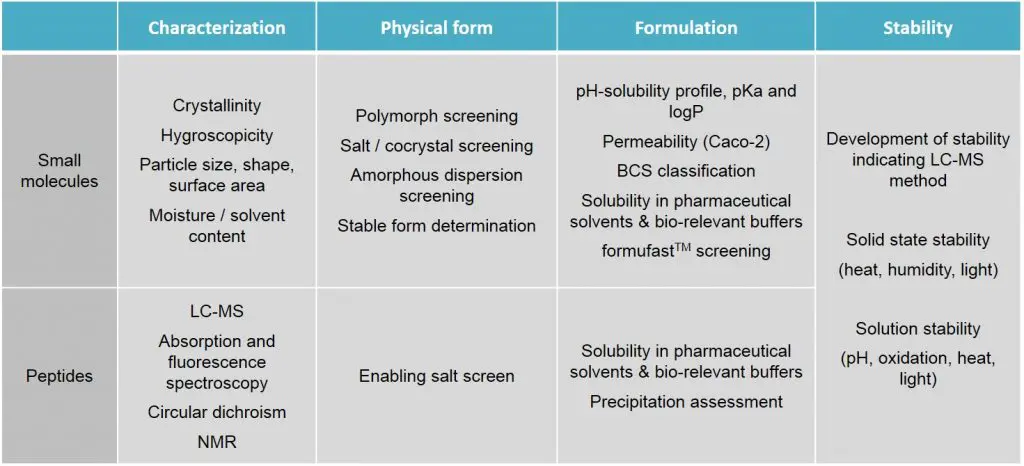
Credit: www.almacgroup.com
Moisture: The Silent Peptide Killer
Water is necessary for life, but it’s trouble for peptides in storage. Moisture can enter peptide samples from the air, containers, or even during the manufacturing process.
Why Moisture Is Dangerous
- Hydrolysis: Water breaks down peptide bonds, especially at the ends (N- and C-terminus).
- Aggregation: Peptides can clump together in the presence of water, forming inactive particles.
- Microbial growth: If moisture is present, bacteria or fungi can contaminate the sample.
Lyophilization (freeze Drying)
Most synthetic peptides are sold as lyophilized powders. This process removes water, making them much more stable. However, once reconstituted with water, peptides degrade faster and must be used quickly.
Humidity And Storage
Even “dry” air contains some moisture. High humidity (over 60%) can accelerate degradation, even in powders. Silica gel packs and vacuum-sealed packaging help keep peptides dry.
Real-world Example
A batch of lyophilized peptide stored in a humid environment showed 30% degradation after just one month. The same peptide kept in a dry, sealed vial showed almost no loss.
Best Practices
- Always keep peptides dry until use.
- Use desiccants (like silica gel) in storage containers.
- Avoid opening vials in humid environments.
Comparing Peptide Stability: Temperature, Light, And Moisture
Below is a simple comparison showing how these three factors affect typical peptide stability:
| Condition | Effect on Peptide Stability | Time to 50% Activity Loss |
|---|---|---|
| High Temperature (37°C) | Rapid degradation, bond breakage | 1–2 weeks |
| UV Light Exposure | Oxidation, photodegradation | 1–3 days |
| High Moisture (Humidity >60%) | Hydrolysis, aggregation | 2–4 weeks |
| Low Temperature (–20°C, Dry, Dark) | Very stable | 6–24 months |
How Peptide Structure Influences Stability
Not all peptides behave the same way. Their sequence, length, and modifications matter.
Sequence And Length
Shorter peptides are generally more stable, but they can be more sensitive to moisture. Peptides rich in cysteine (which forms disulfide bonds) are more vulnerable to oxidation and light.
Modifications
Chemical changes can improve stability:
- Cyclization: Linking the ends of the peptide makes it less flexible and harder to break.
- PEGylation: Adding polyethylene glycol protects the peptide from enzymes and moisture.
- Non-natural amino acids: Replacing some amino acids with synthetic ones can slow degradation.
Example Table: Common Peptide Modifications And Their Effects
| Modification | Stability Improvement | Main Use |
|---|---|---|
| Cyclization | High (resists enzymatic breakdown) | Therapeutic peptides |
| PEGylation | Moderate (increases solubility, resists moisture) | Drug delivery |
| Non-natural amino acids | Variable (depends on type) | Research, drugs |
Packaging And Handling: The Overlooked Factors
Even if you store peptides at the right temperature, poor packaging can ruin stability. Here’s what makes a difference:
Vial Material
Glass vials are best, as peptides can stick to plastic. For light-sensitive peptides, amber glass is ideal.
Sealing
Proper sealing prevents air and moisture entry. Rubber stoppers and crimped seals are standard for lab use.
Aliquoting
Dividing a peptide into small, single-use portions avoids repeated opening and exposure to air, light, and temperature changes.
Transport
Shipping peptides on dry ice or cold packs is standard. Delays or temperature excursions during transport can reduce shelf life.
Stability Testing: How Scientists Measure Peptide Life
Labs use many methods to test peptide stability under different conditions.
Accelerated Stability Studies
Peptides are stored at high temperature, high humidity, or strong light to simulate long-term storage in a short time. The results predict shelf life.
Analytical Techniques
- HPLC (High-Performance Liquid Chromatography): Detects breakdown products.
- Mass Spectrometry: Measures molecular weight changes.
- UV/Vis Spectroscopy: Detects color changes or new chemical groups.
Example Table: Common Stability Tests
| Test | What It Measures | Why It Matters |
|---|---|---|
| HPLC | Purity, degradation products | Checks for breakdown |
| Mass Spectrometry | Molecular changes | Detects chemical modifications |
| UV/Vis Spectroscopy | Light absorption | Reveals photodegradation |
Real-world Applications: Medicine, Research, And Cosmetics
Peptide stability is not just a lab problem—it affects real products and treatments.
Medicine
Peptide drugs, like insulin or cancer therapies, must be stable from factory to patient. A temperature mistake during shipping can destroy an entire batch.
Research
Scientists use peptides to study diseases. Unstable peptides give unreliable results, wasting time and money.
Skincare And Cosmetics
Many anti-aging creams claim to contain active peptides. But if a cream is not protected from heat, light, or moisture, the peptides may break down before you even open the jar.
Hidden Insight
A common mistake: users dissolve peptides in water and store them in the fridge for weeks. Most dissolved peptides last only a few days—even in the refrigerator.
Regulatory Standards And Shelf Life
Regulators like the FDA require data on peptide stability before approving drugs or cosmetics. Companies must show that products stay effective for the shelf life stated on the label.
Shelf Life Claims
- Unopened, lyophilized peptides: Usually 1–2 years at –20°C.
- Reconstituted peptides: Often only 1–2 weeks at 4°C.
If you see a peptide product with a long shelf life at room temperature, ask for data or proof.
Labeling Requirements
Manufacturers must state storage conditions and expiration dates. Some add stabilizers to improve shelf life, but these can affect how the peptide works.
Common Mistakes In Peptide Storage And Handling
Even experienced users can make errors. Here are some mistakes and how to avoid them:
- Storing peptides in frost-free freezers: These freezers cycle temperature, causing repeated thawing and refreezing.
- Opening vials in humid rooms: Moisture enters quickly, even if open for seconds.
- Reusing the same solution: Each time you open a dissolved peptide, you introduce air and bacteria.
- Using clear vials for light-sensitive peptides: This exposes them to room and sunlight.
- Assuming “cold” is always enough: Peptides can degrade from light and moisture, even at low temperatures.
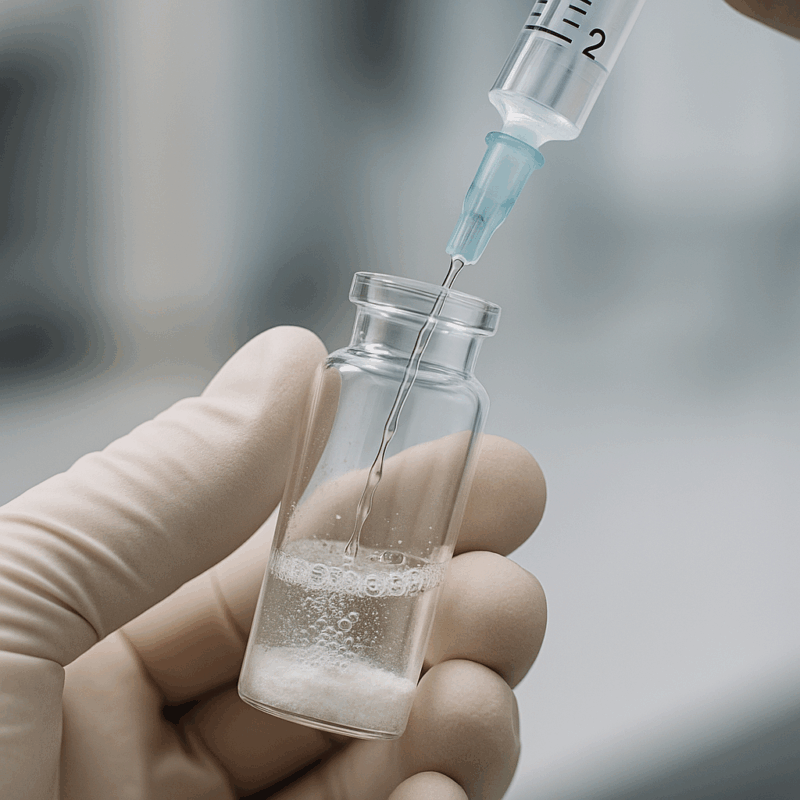
Credit: verifiedpeptides.com
Two Non-obvious Insights
- The effect of peptide sequence on storage needs: Peptides with certain amino acids (like methionine or cysteine) need more protection from oxidation and light than others. Always check your peptide’s sequence for these “weak spots” before choosing storage.
- Lyophilized peptides are not invincible: Many people believe freeze-dried peptides are totally stable. In reality, exposure to air and humidity will slowly degrade even lyophilized powders. Long-term stability requires both low temperature and a dry environment.
How To Maximize Peptide Stability: Practical Guide
Keeping your peptides stable is not hard if you follow these steps:
- Store at –20°C or lower in a dry, dark place.
- Use amber glass vials with tight seals.
- Add silica gel packs to containers.
- Aliquot peptides to avoid repeated freeze-thaw cycles.
- Work quickly when handling peptides outside the freezer.
- Reconstitute only what you need and use within a few days.
- Avoid exposure to direct light and high humidity.
If you want more technical advice, check resources from the Wikipedia: Peptide page.
Frequently Asked Questions
How Long Do Peptides Last At Room Temperature?
Most peptides, especially in solution, last only a few days to a week at room temperature. Lyophilized peptides in sealed, dry vials may last several months, but some sensitive sequences degrade much faster. Always check the manufacturer’s instructions for your specific peptide.
Can I Freeze And Thaw Peptides Multiple Times?
It’s best to avoid repeated freeze-thaw cycles. Each cycle can damage the peptide, especially if ice crystals form. Aliquot peptides into small tubes so you only thaw what you need each time.
What Happens If Moisture Gets Into My Peptide Vial?
Moisture can start breaking down peptide bonds through hydrolysis, even in powders. It may also cause the peptide to clump or degrade faster. If you suspect moisture has entered, use the peptide quickly or discard it if purity is critical.
Are All Peptides Equally Sensitive To Light?
No. Peptides with aromatic amino acids (like tryptophan, tyrosine, phenylalanine) or disulfide bonds are more sensitive to light. Always use amber vials for these, and minimize their exposure during handling.
How Can I Tell If My Peptide Has Degraded?
Signs include color change, visible clumps, or loss of activity. The best way to check is by analytical tests like HPLC or mass spectrometry, but these require lab equipment. For most users, following storage guidelines is the safest approach.
Peptide stability is a complex but manageable challenge. By understanding how temperature, light, and moisture interact with your peptide, you can protect your investment, get better results, and avoid common pitfalls. Whether you’re a scientist, a healthcare professional, or a skincare enthusiast, smart handling and storage make all the difference.