
Handle research peptides with proper PPE, storage, labeling, and strict procedural controls.
I have worked with peptides in labs for years and have trained teams in safe, compliant lab work. This article explains Safe Handling Practices for Research Peptides in clear, practical steps so you can reduce risk, stay compliant, and work confidently with these materials. Read on for checklists, real-world tips, and simple actions you can apply today.
Understanding research peptides and risk basics
Research peptides are short chains of amino acids used in biology, drug discovery, and lab assays. They can be safe when handled correctly, but they may pose hazards like bioactivity, contamination risk, or inhalation exposure if mishandled.
Safe Handling Practices for Research Peptides start with knowing a peptide’s properties. Check purity, solubility, stability, and any supplied hazard notes before you touch a vial. Practical lab work begins with risk knowledge and a simple plan.

Regulatory and ethical considerations
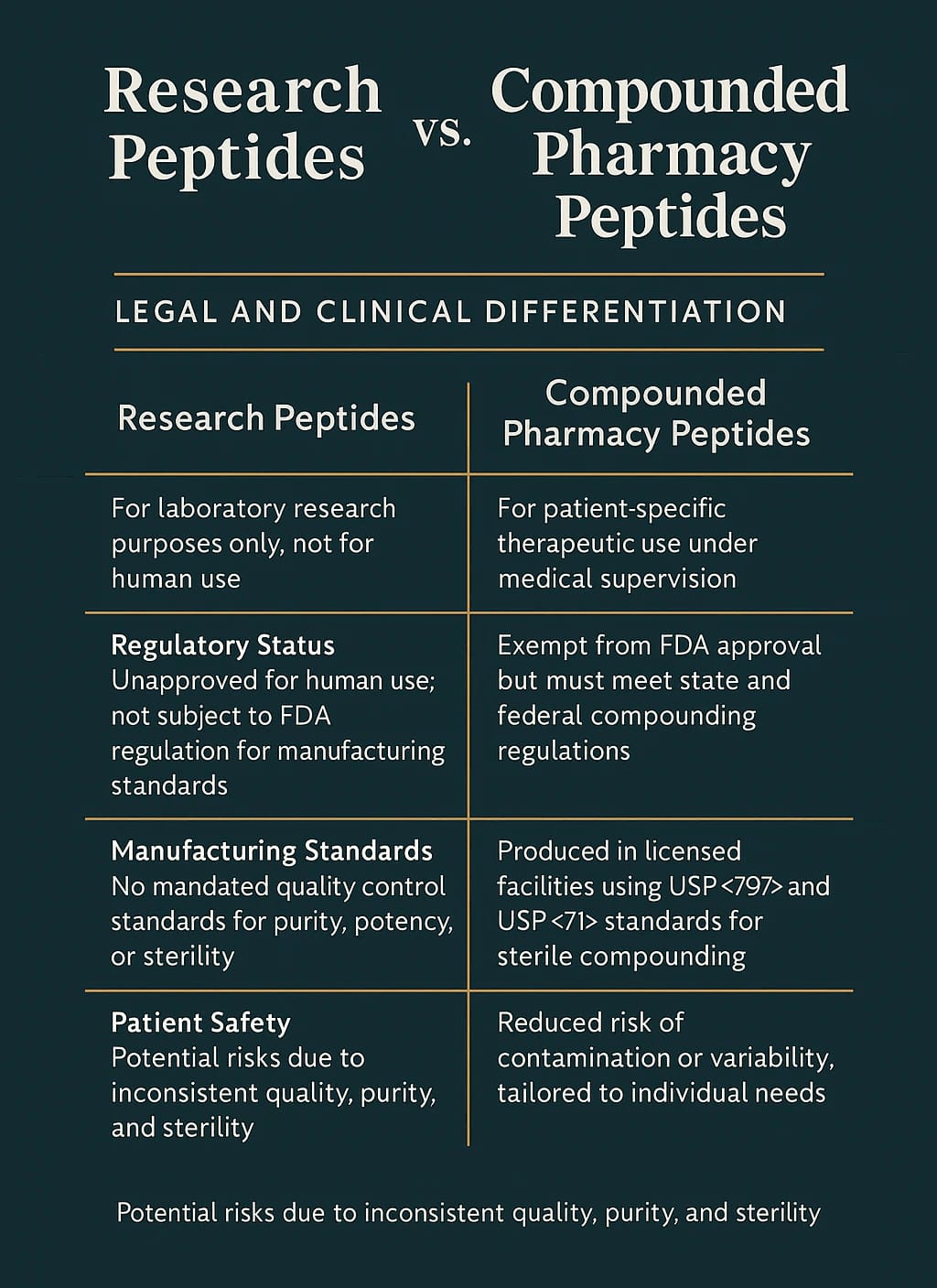
Many institutions require approvals, permits, or oversight for peptide work. Local rules, biosafety committees, and good lab practice guidance apply to peptides that are bioactive or mimic hormones.
Safe Handling Practices for Research Peptides include following institutional review boards, recordkeeping rules, and disposal standards. When in doubt, document approvals and get sign-off from a supervisor or safety officer.
Lab setup, storage, and inventory control
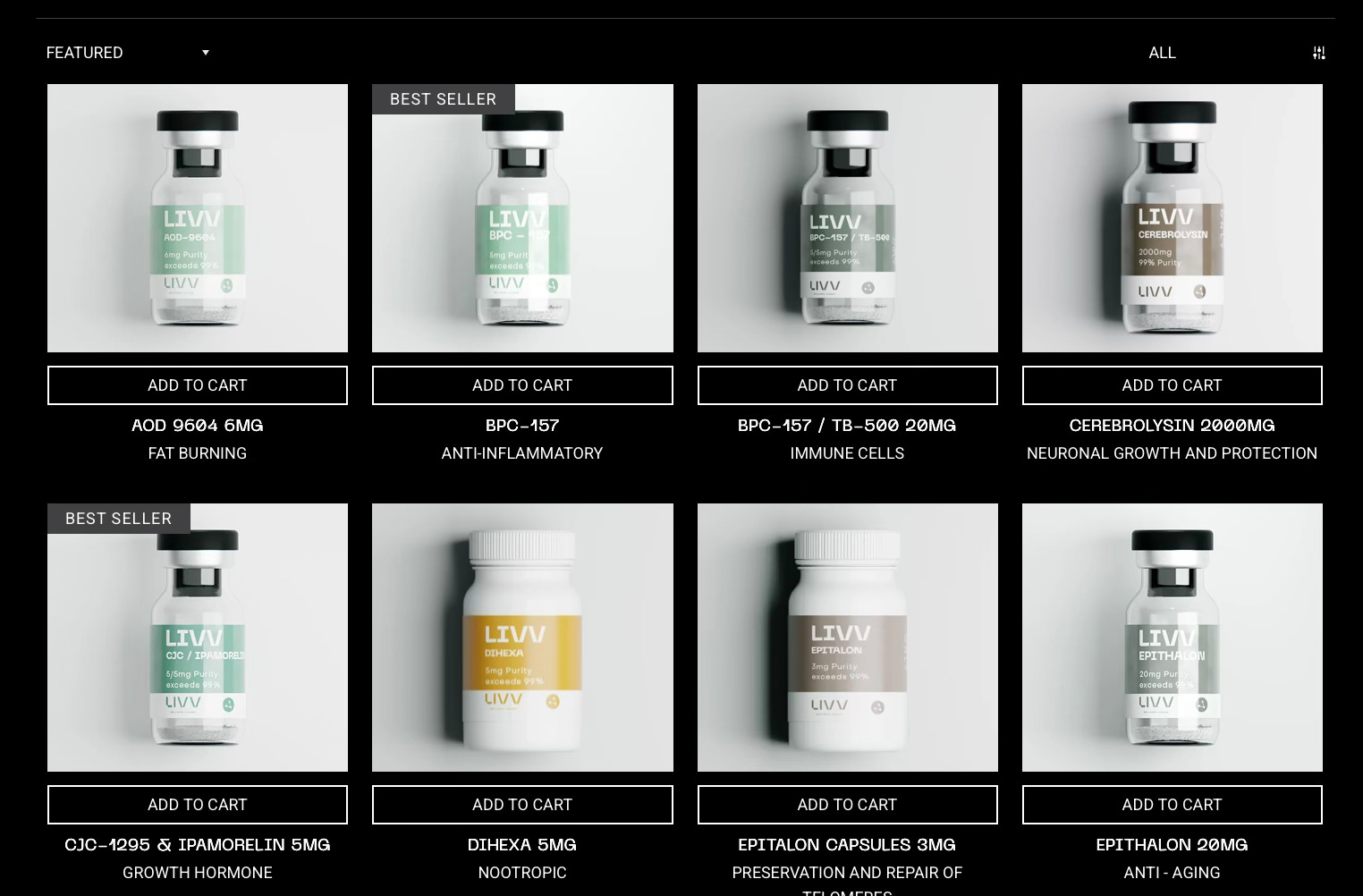
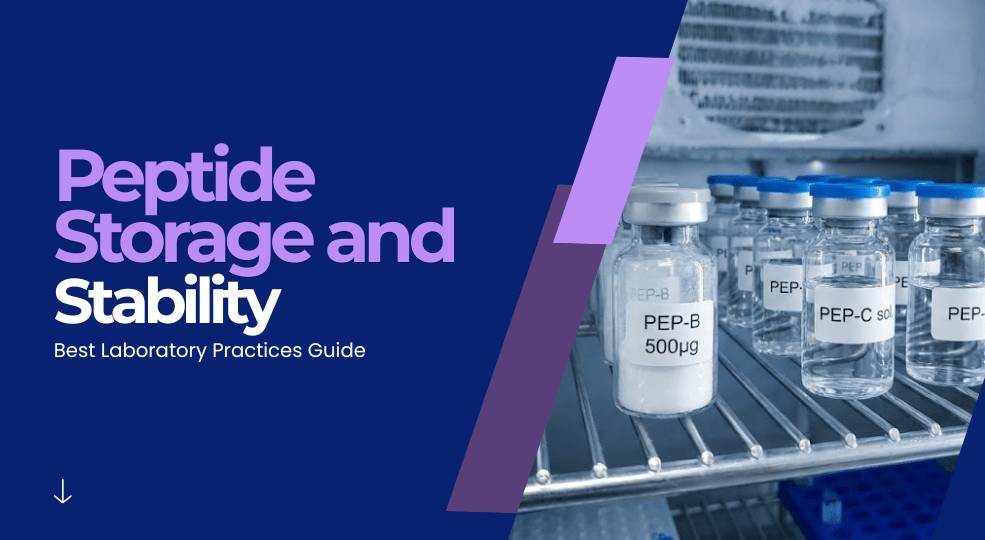
Set up a dedicated area for peptide work. Use a clean bench or biological safety cabinet when aerosols or fine powders are possible. Store peptides per manufacturer specs—often in desiccated freezers or refrigerated conditions to preserve stability.
Label all containers clearly with peptide name, concentration, date received, and a hazard note. Maintain a tracking log for arrival, use, and disposal. Safe Handling Practices for Research Peptides rely on good inventory control to prevent mix-ups and expired use.

Personal protective equipment and hygiene
Wear appropriate PPE every time. This usually includes disposable gloves, a lab coat, eye protection, and sometimes a respirator for powder handling. Change gloves often and avoid touching personal items.
Handwashing after handling is essential. Safe Handling Practices for Research Peptides mean treating peptides as potentially bioactive until you confirm otherwise. This protects you and others in the lab.

Preparation, weighing, and solution handling
Prepare peptides in a clean area with minimal drafts. Use secondary containment for vials and weigh on a calibrated balance inside a cabinet when possible. Avoid creating dust by handling powders gently and by using wetting or solvent addition methods when recommended.
Record concentrations and solvent compositions as you prepare solutions. Safe Handling Practices for Research Peptides require stepwise checks: confirm identity, tare balance, transfer, and confirm final volume and concentration.

Waste disposal and spill response
Treat peptide waste as chemical or biological waste per your facility rules. Use labeled waste containers and avoid pouring peptide solutions down drains unless cleared. For solids, seal and label sharps or solid waste containers.
Have a spill kit ready. If a spill occurs, evacuate non-essential personnel, wear PPE, and clean with appropriate disinfectant or absorbent material per your lab protocol. Safe Handling Practices for Research Peptides include quick reporting and documented cleanup to prevent exposure.

Transport, labeling, and external shipments
Use leak-proof secondary containers for transport within a building. For external shipments, follow IATA and local regulations for biological or chemical materials when peptides are bioactive or require special permits.
Label packages clearly with contents, hazards, and emergency contacts. Safe Handling Practices for Research Peptides mean planning transport routes and minimizing handling steps to reduce risk.
Training, SOPs, and documentation
Create clear standard operating procedures (SOPs) for each peptide workflow. Train staff with hands-on demonstrations and competency checks. Keep records of training, SOP versions, and deviation logs.
Safe Handling Practices for Research Peptides are only effective when everyone follows the same process. Regular refreshers and audits keep practices current and safe.

Common mistakes, troubleshooting, and lessons learned
A common mistake is assuming peptide powders are inert. I once saw a poorly labeled vial lead to a day lost to identifying contents. Simple labeling and a checklist would have prevented that.
Other errors include skipping PPE for “quick” steps and not logging inventory. Safe Handling Practices for Research Peptides are simple habits: pause, read the label, and log your work. These habits prevent accidents and save time.
Practical checklists and quick tips
Use short checklists before each session:
- Review the peptide data and hazard notes.
- Put on required PPE and alert coworkers.
- Prepare containment and spill kit ready.
- Label all solutions and record volumes.
- Clean bench and dispose of waste properly.
Keep a pocket notebook or digital log for quick entries. Safe Handling Practices for Research Peptides are easier when you make them routine.
Frequently Asked Questions of Safe Handling Practices for Research Peptides
What basic PPE is needed for peptide work?
Typically, wear gloves, a lab coat, and eye protection. Use a respirator when handling powders that can become airborne.
How should I store research peptides?
Store according to supplier recommendations—often refrigerated or frozen with desiccant. Keep them sealed and clearly labeled.
Can peptide solutions be poured down the drain?
Do not pour peptide solutions down the drain unless your institution explicitly allows it. Use designated chemical or biological waste streams.
Do I need special training to handle peptides?
Yes. Training in PPE use, spill response, and SOPs is recommended before working with research peptides. Competency checks help ensure safety.
What is the first step after a spill?
Evacuate non-essential personnel, put on proper PPE, and follow your lab’s spill procedure to contain and clean the area. Report the incident afterward.
Conclusion
Safe Handling Practices for Research Peptides are a mix of simple habits, clear labeling, proper PPE, and good documentation. Adopt checklists, follow SOPs, and keep training current to reduce risk and improve results. Start today by reviewing your current workflows, updating labels, and running a quick PPE check before your next peptide session. Share your experiences or ask a question below to keep the conversation going.