Category Guides

Common Causes of Peptide Degradation: Top Factors to Watch

Common Causes of Peptide Degradation

Peptides are small chains of amino acids that play vital roles in biology, medicine, and research. From acting as hormones and signaling molecules to being important building blocks for proteins, their functions are many. However, one common challenge with peptides…

Common Causes of Peptide Degradation: How to Prevent Loss

Common Causes of Peptide Degradation

Peptides are short chains of amino acids that play vital roles in biology, medicine, and industry. From acting as hormones and signaling molecules to being used in new drug designs, peptides have gained much attention. However, their usefulness often faces…

Best Containers for Storing Research Peptides: Top Choices

Best Containers for Storing Research Peptides

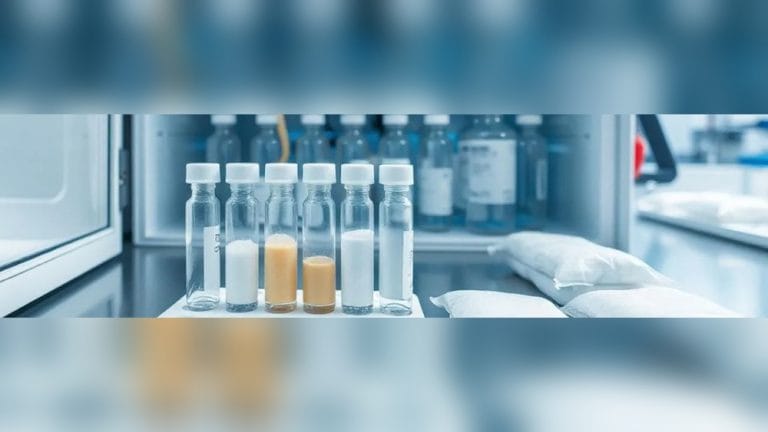
Choosing the best containers for storing research peptides may seem like a small laboratory decision. In reality, the container can affect sample stability, concentration, purity, and research results. Think of a peptide container as a protective shell. It must defend…

Common Causes of Peptide Degradation: Top Factors to Watch

Peptides have become essential in many fields, such as pharmaceuticals, biotechnology, and cosmetic science. These short chains of amino acids act as messengers, drugs, or building blocks for larger proteins. However, one big challenge with peptides is their instability. They…

How Peptides Are Synthesized for Laboratory Use

How Peptides Are Synthesized for Laboratory Use

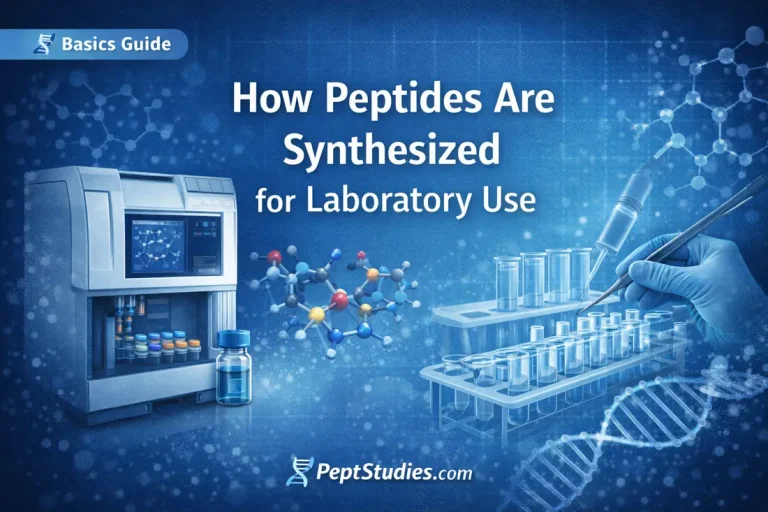
Peptides for laboratory use are primarily synthesized using solid-phase peptide synthesis (SPPS), a stepwise chemical method that builds amino acid chains on a solid resin support. The process involves controlled peptide bond formation through activated coupling chemistry, repeated deprotection and…